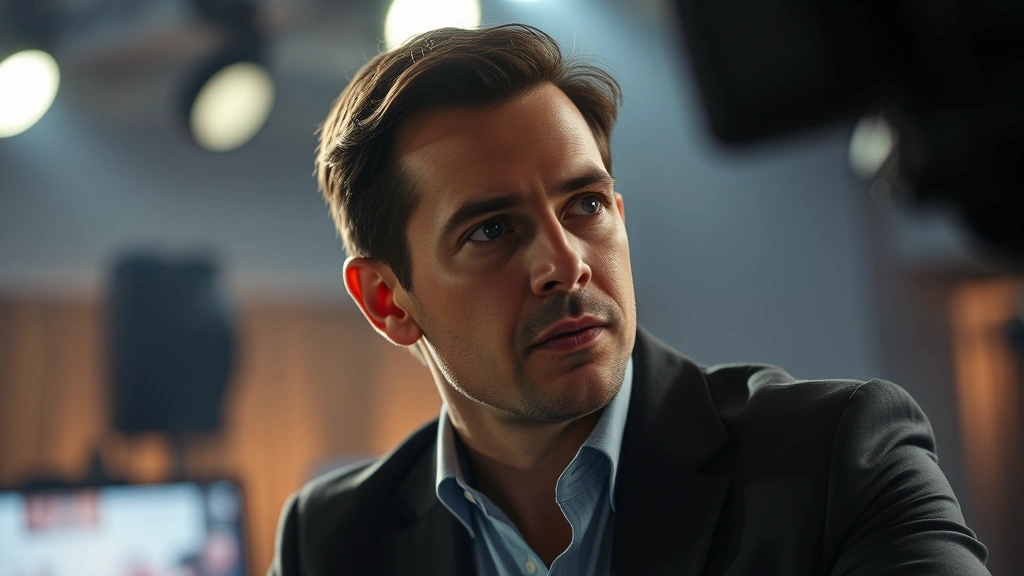
Clark Gregg’s Impact: A Comprehensive Filmography Breakdown
Clark Gregg has established himself as one of television and film’s most reliable character actors, commanding screen presence across multiple genres and platforms. From his early work in independent cinema to his breakthrough role as Agent Phil Coulson in the Marvel Cinematic Universe, Gregg’s career trajectory demonstrates the evolution of a versatile performer who seamlessly transitions between dramatic depth and blockbuster spectacle. His filmography reveals an artist committed to meaningful storytelling, whether anchoring a superhero franchise or exploring intimate character studies in prestige television.
The landscape of entertainment has shifted dramatically during Gregg’s career, with streaming platforms fundamentally changing how audiences discover and consume content. Understanding his complete body of work requires examining not just the films and shows themselves, but the cultural moments they represent and the industry transformations they reflect. This analysis explores how Clark Gregg navigated these changes while maintaining artistic integrity and building a legacy that extends far beyond any single role.
Early Career and Indie Roots
Before becoming synonymous with Marvel, Clark Gregg spent years honing his craft in independent films and television guest appearances that rarely made headlines. His early filmography includes roles in modest productions that showcased his range and commitment to character-driven narratives. These foundational years proved essential in developing the discipline and versatility that would later define his approach to larger-scale productions.
Gregg’s indie film background provided crucial training in the realities of professional acting. Working on smaller productions with limited budgets and shorter shooting schedules demanded efficiency, adaptability, and the ability to deliver authentic performances without extensive takes or elaborate setups. This experience contrasts sharply with blockbuster filmmaking, where actors might spend weeks on a single scene with multiple cameras and complex visual effects. His willingness to engage with both spheres demonstrates a professional maturity that many actors struggle to achieve.
The transition from indie circuit to mainstream recognition typically follows a specific pattern in Hollywood. Actors must balance artistic credibility with commercial viability, a challenge that Clark Gregg navigated with remarkable success. His early roles in films like Wonderland and The Alamo established him as a serious performer capable of anchoring dramatic material. These projects, while not commercially dominant, built the foundation for the opportunities that would define the next phase of his career.
Television guest appearances during the 1990s and early 2000s served as another crucial stepping stone. Shows like The X-Files, The West Wing, and Law & Order franchises provided exposure to different production styles and working methods. Each guest role functioned as a miniature master class in professional acting, requiring actors to quickly integrate into established ensemble dynamics and deliver polished performances within compressed timelines. This television experience proved invaluable when Gregg eventually transitioned to long-form television work.
The Marvel Cinematic Universe Era
The introduction of Phil Coulson in Iron Man (2008) represents a pivotal moment in Clark Gregg’s career and in superhero cinema itself. What began as a small supporting role evolved into one of the MCU’s most significant characters, demonstrating how strategic casting and compelling character development can transform minor parts into major franchises. Gregg’s portrayal of Coulson—the seemingly ordinary S.H.I.E.L.D. agent who becomes the emotional anchor of multiple films—showcases his ability to ground fantastical narratives with authentic human emotion.
Coulson’s appeal lies in his ordinariness. In a cinematic universe populated by gods, billionaires, and super-soldiers, Gregg’s character represents the audience surrogate—the regular person navigating extraordinary circumstances. This positioning required a delicate performance balance. Too much vulnerability and Coulson becomes a liability; too much competence and he loses the relatable quality that makes him essential to the narrative. Gregg’s nuanced approach ensures Coulson remains credible as both a capable agent and a fundamentally human character dealing with impossible situations.
The MCU filmography expanded Gregg’s reach exponentially. His appearances across multiple films and the subsequent television series Agents of S.H.I.E.L.D. created a character arc spanning over a decade. This extended narrative allowed for character development rarely possible in traditional film structures. Audiences watched Coulson evolve from a supporting player to a protagonist carrying his own series, a transformation that required Gregg to deepen his performance while maintaining consistency with earlier characterizations.
The commercial success of the Marvel films elevated Gregg’s profile significantly. He became recognizable to mainstream audiences who might never have discovered his indie film work or television guest appearances. This visibility created opportunities in other projects, allowing him to leverage his MCU success toward more varied and ambitious roles. The franchise essentially validated Gregg as a bankable talent capable of anchoring major productions.
However, the MCU association also presented challenges. Typecast concerns plague actors who achieve prominence through franchise work. Gregg addressed this by deliberately pursuing diverse roles outside the Marvel universe, demonstrating his range and refusing to be defined solely by Coulson. This strategic career management reflects a sophisticated understanding of how to maintain artistic credibility while benefiting from commercial success.
Television Dominance and Streaming
Agents of S.H.I.E.L.D. fundamentally transformed Clark Gregg’s career structure. The seven-season run required sustained character development and narrative complexity impossible within traditional film formats. Television’s episodic structure allowed for deeper exploration of Coulson’s psychology, relationships, and moral evolution. Gregg’s performance deepened considerably as the series progressed, revealing layers of vulnerability and complexity that earlier film appearances only hinted at.
The show’s initial connection to the MCU created audience expectations and potential constraints. However, as the series evolved and developed its own mythology, Agents of S.H.I.E.L.D. demonstrated television’s capacity to generate sophisticated superhero narratives independent of film franchises. Gregg’s commitment to the material elevated the entire production, attracting talented directors and writers who might have dismissed the project as mere corporate synergy.
Streaming platforms have fundamentally altered how television content reaches audiences and achieves cultural significance. While Agents of S.H.I.E.L.D. initially aired on traditional television, the broader shift toward streaming has reshaped Gregg’s more recent work. His involvement with various streaming projects reflects industry-wide changes in content distribution and consumption patterns. Understanding these platform dynamics is essential to comprehending how contemporary actors navigate their careers. Explore best movies on Netflix and best movies on Apple TV to understand where contemporary talent concentrates their efforts.
Television’s prestige renaissance during the 2010s elevated the medium’s artistic credibility and attracted A-list talent. Gregg’s sustained television work positioned him as a serious actor willing to commit to long-form storytelling. This contrasts with earlier eras when television was considered a stepping stone rather than a destination for serious performers. His career reflects broader industry transformations regarding platform legitimacy and audience fragmentation.
Beyond Agents of S.H.I.E.L.D., Gregg has engaged with various television projects exploring different genres and narrative structures. Each role demonstrates his adaptability and commitment to diverse material. Television’s compressed production schedules and episodic demands require different performance approaches than film, and Gregg’s success across both mediums testifies to his technical proficiency and emotional intelligence as a performer.
The ScreenVibe Daily Blog regularly explores how actors navigate evolving media landscapes. Contemporary performers must understand not just their craft but the platforms, distribution mechanisms, and audience expectations that define modern entertainment. Gregg’s career decisions consistently reflect this sophisticated understanding of industry dynamics.

Directorial Ventures and Behind-the-Scenes Work
Clark Gregg’s transition into directing represents a natural evolution for a performer with decades of set experience and deep understanding of creative processes. His directorial work on Agents of S.H.I.E.L.D. episodes and other projects demonstrates commitment to comprehensive filmmaking knowledge. Directing allows performers to contribute creatively beyond their on-camera roles, engaging with narrative structure, visual composition, and ensemble dynamics from a leadership position.
The actor-turned-director path has become increasingly common in contemporary entertainment. Performers like Ben Affleck, Greta Gerwig, and others have leveraged their acting experience toward directing, often with significant artistic success. Gregg’s directorial work, while less publicized than his acting roles, reflects this broader trend of creative professionals expanding their responsibilities and influence within productions.
Behind-the-scenes involvement extends beyond directing. Gregg has served as executive producer on various projects, contributing to creative decisions regarding casting, story development, and post-production elements. These roles allow experienced performers to shape projects from conception through completion, ensuring alignment between creative vision and execution. This expanded involvement reflects confidence from producers and networks regarding Gregg’s judgment and professional reliability.
Directing television episodes provides different challenges than directing films. The episodic format requires understanding serialized storytelling, maintaining visual consistency across multiple episodes, and working within established production parameters. Gregg’s experience as a long-term cast member on Agents of S.H.I.E.L.D. provided intimate knowledge of these dynamics, making his transition to directing particularly natural and informed.
The skills developed through directing and producing enhance actors’ subsequent performances. Understanding narrative structure, visual language, and production logistics from a director’s perspective inevitably influences how actors approach their roles. Gregg’s expanded creative involvement likely deepened his understanding of character development and storytelling, enriching his subsequent performances across all mediums.
Character Analysis and Performance Style
Clark Gregg’s performance methodology reveals consistent approaches to character development across diverse projects. His characters typically embody competence grounded in vulnerability—professionals capable of handling extraordinary circumstances while remaining emotionally authentic. This approach makes his characters relatable despite their often extraordinary circumstances or roles within larger narratives.
The physicality of Gregg’s performances deserves particular attention. His body language communicates character psychology efficiently. Coulson’s posture, movement patterns, and spatial relationships with other characters all convey his position within hierarchies and emotional states. This physical specificity distinguishes strong character work from adequate performance. Gregg’s consistent attention to these details demonstrates technical sophistication developed through years of professional experience.
Dialogue delivery represents another dimension of Gregg’s performance excellence. His ability to infuse exposition-heavy scenes with natural authenticity prevents information delivery from feeling like mere plot mechanics. In superhero narratives and science fiction television, characters frequently explain complex concepts or provide necessary backstory. Gregg’s skill at making these moments feel organic rather than artificial elevates entire productions.
The emotional range evident across Gregg’s filmography demonstrates versatility often overlooked by audiences primarily familiar with his Marvel work. His dramatic performances in indie films, guest television appearances, and prestige projects reveal an actor capable of significant emotional depth and psychological complexity. This range ensures his career transcends any single role or franchise.
Gregg’s approach to ensemble work reflects understanding of how individual performances contribute to larger narratives. In ensemble casts, actors must balance their own character development with space for colleagues and overall narrative coherence. His consistent ability to function effectively in ensemble contexts, whether Marvel films with multiple superhero characters or television ensembles, demonstrates professional maturity and collaborative sensibility.
Industry Impact and Cultural Significance
The broader implications of Clark Gregg’s career extend beyond individual performances or projects. His trajectory illustrates how contemporary entertainment careers develop across multiple platforms, franchises, and creative roles. His success navigating indie cinema, blockbuster franchises, prestige television, and behind-the-scenes creative work provides a template for contemporary performers seeking sustainable, artistically satisfying careers.
Gregg’s commitment to diverse material despite MCU prominence demonstrates that franchise success need not limit artistic exploration. Many actors become trapped within franchise identities, unable to secure roles outside their most famous characters. Gregg’s deliberate pursuit of varied projects ensures his legacy encompasses more than a single character or franchise. This strategic approach offers lessons for emerging actors considering long-term career sustainability.
The generational impact of superhero cinema on actor careers remains significant. Performers who achieved prominence through franchise work during the 2000s-2010s essentially pioneered the contemporary relationship between actors and extended cinematic universes. Gregg’s experience with the MCU influenced how subsequent actors approached similar opportunities, establishing precedents regarding creative involvement, character development, and franchise expectations.
Industry recognition of Gregg’s contributions extends beyond box office metrics. His consistent professionalism, reliability, and collaborative approach make him valued by producers, directors, and colleagues. These qualities, while less visible to general audiences than on-screen performances, fundamentally shape casting decisions and career opportunities. Gregg’s reputation as a consummate professional undoubtedly influenced his ability to transition between different projects and secure diverse roles.
The representation of certain character archetypes in contemporary entertainment reflects performer choices and industry patterns. Gregg’s portrayal of competent, emotionally intelligent male characters contributed to broader conversations about masculinity in superhero narratives. His characters typically avoid toxic masculinity tropes, instead embodying emotional intelligence, collaborative problem-solving, and genuine vulnerability. This approach influences how audiences perceive masculine character types and contributes to evolving entertainment representations.
For those interested in understanding film criticism and analysis methodologies, best movie review sites offer comprehensive guidance on evaluating performances and filmography. Professional critics employ analytical frameworks that enhance understanding of actor contributions to overall productions.
Contemporary research on actor performance and audience reception provides scholarly context for understanding careers like Gregg’s. Pew Research Center regularly publishes studies on entertainment consumption patterns and audience demographics, revealing how performers like Gregg reach and influence different audience segments. Understanding these patterns contextualizes individual careers within broader industry trends.
The evolution of superhero cinema has been extensively documented by media analysts and film scholars. Deadline and similar entertainment industry publications track career trajectories and franchise developments, providing real-time analysis of how performers navigate evolving industry landscapes. Gregg’s career decisions have frequently been analyzed within these frameworks, reflecting his significance within contemporary entertainment discourse.

Academic research on television narratives and character development provides theoretical frameworks for analyzing performances like Gregg’s extended work on Agents of S.H.I.E.L.D. Television studies scholars examine how serialized formats allow character complexity impossible in traditional film structures. Gregg’s seven-season performance demonstrates television’s capacity for sophisticated character development and narrative complexity.
The relationship between actor brand and franchise identity has become increasingly important in contemporary entertainment economics. Gregg’s careful management of his public persona and career choices reflects understanding that actor reputation and franchise association mutually influence each other. His ability to maintain positive industry relationships while avoiding overexposure demonstrates sophisticated career management.
Looking toward future entertainment industry developments, performers like Gregg who have successfully navigated multiple platforms and creative roles represent models for sustainable careers. As streaming platforms continue reshaping content distribution and audience fragmentation increases, versatility and professional reliability become increasingly valuable. Gregg’s career demonstrates these qualities across decades of evolving industry conditions.
Those seeking to understand how actors build lasting careers should examine trajectories like Gregg’s. His combination of blockbuster franchise work, prestige television, indie cinema engagement, and behind-the-scenes creative involvement creates a resilient career structure resistant to industry fluctuations. This diversification provides security while maintaining artistic credibility and creative satisfaction.
FAQ
What is Clark Gregg’s most iconic role?
Phil Coulson in the Marvel Cinematic Universe remains Gregg’s most iconic and recognizable role. The character’s evolution across multiple MCU films and the subsequent Agents of S.H.I.E.L.D. television series created an extended narrative allowing significant character development. Coulson’s journey from supporting character to protagonist demonstrates how franchise work can facilitate meaningful character arcs when given proper narrative space and creative commitment.
How many films has Clark Gregg appeared in?
Clark Gregg’s filmography includes over 50 film appearances, ranging from major studio productions to independent cinema. Beyond MCU films, his movie roles span various genres and production scales. His complete filmography extends across decades, reflecting sustained professional engagement with diverse material and production contexts.
What television shows has Clark Gregg starred in?
Beyond Agents of S.H.I.E.L.D., Clark Gregg has appeared in numerous television programs including The West Wing, The X-Files, Homeland, and various guest appearances on dramatic series. His television work demonstrates range across genres and production scales, from network dramas to cable prestige television.
Has Clark Gregg directed any projects?
Yes, Clark Gregg has directed multiple episodes of Agents of S.H.I.E.L.D. and other television projects. His directorial work demonstrates commitment to comprehensive filmmaking knowledge and creative involvement beyond on-camera performance. Directing experience enriches actors’ understanding of narrative structure and production dynamics.
What awards has Clark Gregg received?
While Gregg has not received major award nominations for individual performances, his consistent professionalism and industry contributions have earned respect and recognition within entertainment circles. His value to productions extends beyond award recognition, reflected in consistent casting opportunities and positive professional relationships throughout his career.
How has streaming changed Clark Gregg’s career?
Streaming platforms have expanded opportunities for sustained character work and expanded audience reach. While Gregg’s most famous role predates streaming dominance, contemporary streaming projects have provided additional platforms for his work. The shift toward streaming has fundamentally altered how television content reaches audiences and achieves cultural significance.
What is Clark Gregg’s acting approach?
Gregg’s performance methodology emphasizes character authenticity grounded in thorough preparation and understanding of narrative context. His consistent ability to infuse exposition-heavy scenes with natural authenticity and his attention to physical specificity demonstrate technical sophistication developed through decades of professional experience across diverse projects and production scales.


