Pete and Dragon: Classic Film’s Modern Impact on Family Entertainment
The Pete and Dragon movie franchise represents a fascinating case study in how classic cinema continues to shape contemporary family entertainment. Whether examining the original 1977 animated film or the 2016 live-action remake, these productions demonstrate the enduring appeal of stories centered on unlikely friendships and magical adventure. The narrative of a boy and his dragon has transcended generations, proving that certain emotional truths resonate regardless of medium or technological advancement.
In an era where streaming platforms dominate viewing habits and audiences consume content across multiple devices, the Pete and Dragon story maintains relevance through its timeless themes of belonging, acceptance, and the power of imagination. The film’s journey from theatrical release to home viewing to digital streaming platforms illustrates broader patterns in how classic films find new audiences on streaming services. Understanding this phenomenon requires examining both the original source material and how modern adaptations reinterpret classic stories for contemporary viewers.
The Original 1977 Animation: Foundation of a Legacy
The animated Pete and Dragon film emerged from Disney’s creative studios during a transitional period in animation history. Released in 1977, the film combined traditional hand-drawn animation with live-action sequences featuring veteran actor Mickey Rooney and Helen Reddy, creating a hybrid viewing experience that felt innovative at the time. The production reflected Disney’s willingness to experiment with format while maintaining the studio’s commitment to wholesome family entertainment.
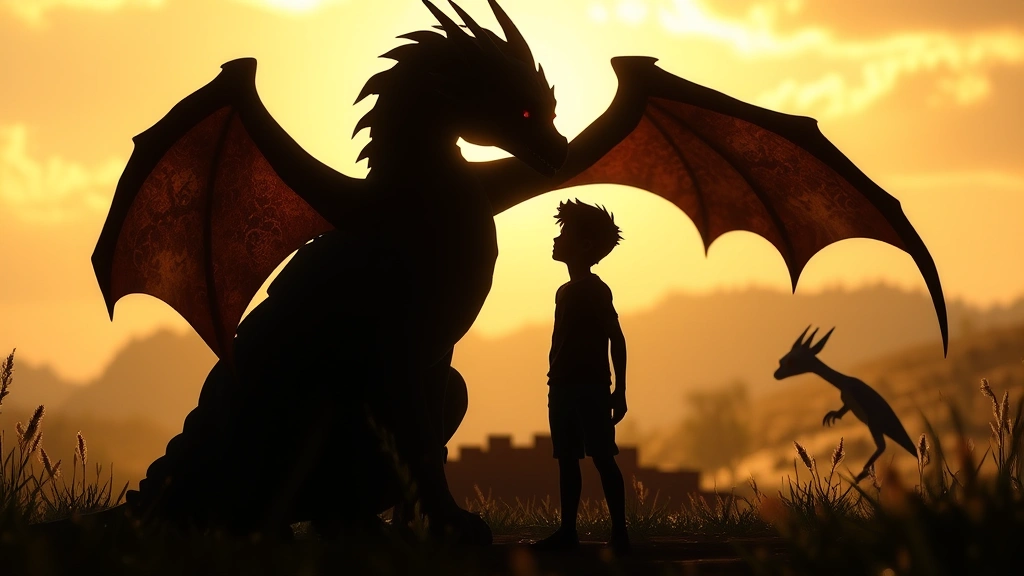
The narrative follows Pete, an orphaned boy who escapes from a foster family and discovers Elliott, a large, friendly dragon. Their relationship forms the emotional core of the film, demonstrating how outsiders can find acceptance through genuine connection. The dragon’s invisible nature to most adults creates dramatic tension while reinforcing themes about imagination and the gaps between childhood perception and adult skepticism. This fundamental storytelling device has influenced countless subsequent films exploring similar dynamics.
The 1977 film’s cultural context matters significantly. Animation technology of that era required painstaking frame-by-frame work, and the decision to blend animation with live-action sequences represented a considerable technical undertaking. The film’s visual style, influenced by both traditional Disney aesthetics and contemporary 1970s sensibilities, creates a distinctive atmospheric quality that contemporary viewers often describe as charmingly dated. The music, featuring Helen Reddy’s “Candle on the Water,” became an iconic element of the film’s emotional landscape.
From a media analysis perspective, the original film demonstrates how adaptations of classic stories can achieve cultural permanence through distinctive artistic choices. The film wasn’t a massive box office success initially, yet it accumulated cultural significance through television broadcasts, home video releases, and eventually digital platforms. This trajectory illustrates how media consumption patterns have shifted dramatically since the 1970s.
Storytelling Evolution in the 2016 Remake
The 2016 live-action remake of Pete and Dragon represented Disney’s broader strategy of revisiting animated classics through contemporary live-action adaptations. Directed by David Lowery, the remake preserved core narrative elements while substantially reimagining the story’s context, tone, and thematic emphasis. Rather than a simple remake, the film functioned as a reinterpretation, respecting source material while asserting its own artistic vision.
The 2016 version shifts narrative focus significantly. While the original emphasized Pete’s personal journey and his relationship with Elliott, the remake expands scope to include broader environmental and community themes. The film introduces a logging company as an antagonistic force, incorporating contemporary anxieties about environmental destruction and industrial progress. Elliott transforms from a whimsical invisible companion into a tangible, intelligent creature deserving protection and respect. This evolution reflects changing cultural priorities regarding environmental stewardship and animal welfare.
The casting choices in the 2016 adaptation reveal intentional directorial decisions. Bryce Dallas Howard brings complexity to the character of Grace, Pete’s foster mother, while Robert Redford provides gravitas as the elderly woodcarver who serves as Pete’s mentor figure. These casting decisions suggest the remake targeted audiences spanning multiple generations, not merely children and their parents. The film’s runtime and pacing accommodate more sophisticated narrative development than the original’s lean 104-minute structure.
Contemporary filmmaking technology enabled Lowery to create a dragon that appears fully present within the film’s natural environments. The CGI rendering of Elliott demonstrates how visual effects advancement allows modern adaptations to realize imaginative elements with unprecedented photorealism. However, this technological sophistication creates interesting contrasts with the original film’s more stylized, fantastical aesthetic approach. Some critics argue that the original’s animation style, precisely because of its obvious artificiality, better captures the psychological reality of childhood imagination.
Production Design and Visual Language
Both versions of Pete and Dragon employ distinct visual strategies reflecting their respective eras and technological capabilities. The 1977 film’s production design embraced vibrant colors, theatrical set pieces, and a somewhat artificial aesthetic that prioritized emotional clarity over naturalistic representation. Scenes featuring the dragon relied on animation techniques that emphasized expressiveness and emotional resonance rather than photorealistic accuracy.
The 2016 remake prioritizes environmental authenticity, filming extensively in New Zealand to capture Pacific Northwest aesthetics. The cinematography emphasizes natural lighting, forest locations, and atmospheric conditions that ground the fantasy narrative within recognizable geography. This approach reflects contemporary audience expectations regarding visual realism, even within fantastical narratives. The production design team created environments where Elliott appears as a naturally integrated presence rather than an obviously inserted element.
Cinematographer Bojan Bazelli’s work on the 2016 film demonstrates how modern filmmaking techniques can enhance emotional storytelling. The camera movement, color grading, and compositional choices create visual metaphors reinforcing thematic content. For instance, the film frequently uses wide shots emphasizing Elliott’s size relative to human characters and natural features, visually reinforcing the dragon’s significance within the narrative ecosystem. Lighting choices often isolate Pete and Elliott from surrounding environments, visually representing their emotional connection transcending external circumstances.
The original film’s visual language operated within different constraints and conventions. The animation sequences, while charming to contemporary viewers, reflect 1970s animation standards and aesthetic preferences. The live-action sequences featuring Mickey Rooney create tonal inconsistencies by modern standards, yet these jarring transitions arguably enhance the film’s dreamlike quality. The hybrid format mirrors the film’s thematic concern with boundaries between fantasy and reality, imagination and perception.
From a media studies perspective, examining how visual language evolved between the two versions illuminates broader shifts in filmmaking philosophy. The 1977 film embraced stylization and theatrical presentation, while the 2016 remake privileges environmental authenticity and visual integration. Neither approach proves objectively superior; rather, they reflect different assumptions about how audiences engage with fantastical narratives and what visual strategies best communicate emotional content.
Cultural Impact and Audience Reception
The original Pete and Dragon achieved modest theatrical success but became a cultural artifact through repeated television broadcasts. Many contemporary adults encountered the film through ABC’s “The Wonderful World of Disney” programming, establishing it as a shared cultural reference point for multiple generations. The film’s availability through contemporary film analysis and discussion on entertainment blogs demonstrates how media criticism continues engaging with these classic texts.
Critical reception of the 1977 film was mixed upon release, with some reviewers finding it overly sentimental while others praised its emotional authenticity. The film’s peculiar tonal mixture—combining whimsy with genuine pathos—proved divisive among critics accustomed to more consistent tonal approaches. However, the film’s reputation improved significantly through repeated viewings and cultural reevaluation. Contemporary film scholars often cite Pete and Dragon as exemplifying Disney’s willingness to take creative risks, even when initial commercial success remained uncertain.
The 2016 remake received more enthusiastic critical reception, with reviewers praising David Lowery’s artistic vision and the film’s emotional depth. However, the remake faced commercial challenges, underperforming at the box office despite critical acclaim. This discrepancy between critical appreciation and commercial success illustrates contemporary complexities in film distribution and audience engagement. Despite theatrical underperformance, the film found substantial audiences through home video and streaming platforms.
Audience reception patterns reveal interesting generational differences. Viewers who grew up with the original film often approach the remake with protective nostalgia, sometimes viewing it as unnecessary reimagining of beloved source material. Younger audiences encountering both films for the first time frequently prefer the 2016 version’s more contemporary sensibilities and visual sophistication. These divergent responses illuminate how media consumption experiences shape interpretation and emotional engagement.
The Pete and Dragon films demonstrate how film criticism evolves as classic works receive contemporary reinterpretation. Online discussion forums, film analysis websites, and social media platforms enable audiences to engage with both versions simultaneously, comparing and contrasting artistic choices in ways previous generations could not.
Modern Streaming and Accessibility
The availability of both Pete and Dragon films through streaming platforms represents a significant shift in how audiences access classic cinema. Where previous generations might encounter these films through theatrical releases or scheduled television broadcasts, contemporary viewers can access them on-demand through Disney+, Netflix, and other platforms. This accessibility fundamentally changes how people engage with films, enabling repeated viewings, comparative analysis, and cross-generational family viewing.
Streaming platforms have democratized access to both classic and contemporary films in unprecedented ways. Families can now watch the original 1977 film and the 2016 remake back-to-back, facilitating direct comparison and discussion. This accessibility particularly benefits film education and criticism, as scholars and enthusiasts can easily reference specific scenes and moments. The availability of both versions on the same platforms enables audiences to develop more sophisticated understanding of how storytelling approaches evolved across nearly four decades.
The economics of streaming distribution have also influenced how studios approach film preservation and restoration. The 1977 Pete and Dragon received digital restoration for streaming release, ensuring contemporary audiences experience the film in the highest quality possible. This technical investment reflects streaming platforms’ commitment to offering extensive back catalogs as competitive advantages in increasingly crowded markets. For viewers, this means access to classic films in pristine condition, sometimes superior to theatrical exhibition experiences.
However, streaming availability also raises questions about film curation and discovery. With vast catalogs available, audiences might struggle to identify which films merit attention. The upcoming film releases and platform strategies continue evolving, with studios making calculated decisions about which classic films to resurrect and promote. Pete and Dragon’s dual presence across platforms reflects Disney’s broader strategy of leveraging its extensive intellectual property library.
The shift toward streaming consumption has also influenced critical discourse. Where film criticism once centered on theatrical exhibition experiences, contemporary criticism increasingly addresses how films function within streaming contexts. Viewing on smaller screens, with potential interruptions and distractions, creates different engagement patterns than traditional theatrical settings. Understanding Pete and Dragon’s modern impact requires acknowledging these changed consumption conditions.
The Psychology of Child-Dragon Bonds in Cinema
The central relationship between Pete and Elliott taps into psychological dynamics that resonate across cultures and generations. The dragon functions as both literal character and psychological metaphor—representing imagination, acceptance, and the unconditional companionship children desperately seek. Film scholars and psychologists have examined how narratives featuring child-animal bonds address fundamental human developmental needs.
From a psychological perspective, Elliott represents the idealized companion—powerful enough to protect, yet emotionally attuned to Pete’s needs and vulnerabilities. The dragon never judges, never abandons, and never prioritizes self-interest over the relationship. This fantasy of perfect companionship addresses real anxieties children experience regarding belonging and acceptance. The narrative reassures viewers that outsiders can find connection with those who truly understand them, regardless of external differences.
The invisibility of the dragon in the original film adds psychological complexity. Elliott’s invisibility to most adults represents childhood’s fundamental isolation—the sense that inner emotional realities remain invisible to adults preoccupied with practical concerns. The dragon’s visibility to Pete alone reinforces his special status and validates his perception, addressing childhood anxieties about whether adults will believe or validate their experiences. This psychological authenticity explains why audiences across generations respond emotionally to the narrative despite its fantastical elements.
The 2016 remake’s choice to make Elliott visible to all characters alters these psychological dynamics significantly. By rendering the dragon tangible and undeniable, the remake shifts emphasis from Pete’s internal emotional journey toward external conflict and environmental themes. This change reflects contemporary filmmaking’s preference for externalizing psychological conflicts into visible, actionable antagonists. Where the original film emphasized Pete’s internal transformation and emotional growth, the remake prioritizes external plot development and dramatic confrontation.
Contemporary developmental psychology research supports the narrative’s emotional logic. Children who experience trauma and displacement often develop intense attachments to animals or imaginary companions as coping mechanisms. These relationships provide emotional regulation and psychological safety during periods of instability. The Pete and Dragon narrative validates these coping mechanisms rather than dismissing them as childish delusions, offering implicit permission for children to utilize imagination as a survival tool.
Research from institutions studying media’s psychological effects demonstrates that narratives featuring protective relationships can significantly impact child viewers’ emotional development and resilience. The Pete and Dragon films function as what media scholars term “psychological resources,” providing models for processing grief, isolation, and the search for belonging. Understanding the films’ modern impact requires acknowledging these psychological dimensions alongside their entertainment and artistic values.
Scholars examining media representation across Pew Research Center’s media studies have documented how audiences increasingly seek narratives addressing emotional authenticity and psychological realism, even within fantastical contexts. The Pete and Dragon films succeed because they balance imaginative elements with genuine emotional stakes, creating narratives that feel psychologically true despite their supernatural premises.
FAQ
What is the Pete and Dragon movie about?
The Pete and Dragon films follow a young orphaned boy who befriends a dragon. The 1977 animated version emphasizes Pete’s emotional journey and imagination, while the 2016 live-action remake expands the narrative to include environmental themes and broader community conflict. Both versions explore themes of belonging, acceptance, and the power of unconventional relationships.
Is the 2016 Pete and Dragon a remake or reboot?
The 2016 film functions as a reinterpretation rather than a strict remake. While it maintains the core narrative premise of a boy and dragon friendship, it substantially reimagines the story’s context, themes, and dramatic structure. Director David Lowery created a film that respects source material while asserting distinct artistic vision and contemporary sensibilities.
Which Pete and Dragon version is better?
Both films have distinct merits reflecting their respective eras and artistic approaches. The 1977 original offers charm, emotional authenticity, and distinctive visual style. The 2016 remake provides contemporary filmmaking sophistication and expanded thematic complexity. Preference depends on individual viewer priorities regarding aesthetic style, narrative approach, and emotional resonance.
Where can I watch Pete and Dragon?
Both versions are available on Disney+, making them easily accessible for contemporary audiences. The films may also appear on other streaming platforms depending on regional licensing agreements. Availability varies by geographic location and subscription service, so checking your preferred platforms is recommended.
How did the Pete and Dragon story originate?
The original Pete and Dragon film was developed as an original Disney story rather than adapted from existing source material. The narrative concept emerged from Disney’s creative development process and reflects the studio’s approach to creating original family entertainment. The story’s success led to the 2016 adaptation and continued cultural relevance.
What makes Pete and Dragon relevant to modern audiences?
The films address timeless psychological themes—belonging, acceptance, imagination—that resonate regardless of era. Contemporary streaming accessibility enables new generations to discover the stories. The thematic exploration of outsider perspectives and unconventional relationships aligns with modern audiences’ interest in diverse narratives and emotional authenticity. Additionally, the 2016 remake’s environmental themes speak to contemporary concerns about ecological responsibility and corporate accountability.