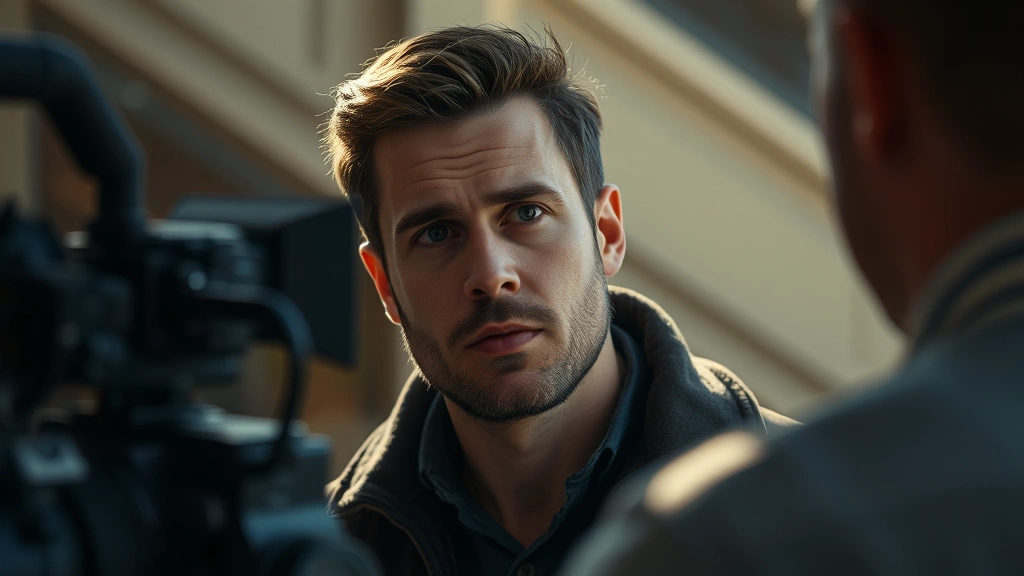
Brianne Tju’s Impact on TV: A Deep Dive Into Her Evolving Career
Brianne Tju has emerged as one of television’s most versatile and compelling performers, building a career that spans horror, drama, comedy, and action genres with remarkable consistency. From her breakout roles in streaming phenomena to her commanding presence in prestige television, Tju represents a new generation of actors who have leveraged the digital age to build sustainable, meaningful careers. Her trajectory offers valuable insights into how contemporary performers navigate the evolving entertainment landscape, where streaming platforms, traditional networks, and limited series have created unprecedented opportunities for character-driven storytelling.
The significance of analyzing Tju’s career extends beyond mere filmography examination. Her work demonstrates how strategic role selection, genre flexibility, and platform diversification have become essential components of modern television success. Whether appearing in horror-adjacent content or grounded dramatic productions, Tju has consistently demonstrated the range and commitment that separates emerging talents from established industry fixtures. This deep dive explores her most impactful roles, her influence on contemporary television narratives, and what her career trajectory reveals about the current entertainment ecosystem.
Early Career Foundation and Breakthrough Moments
Brianne Tju’s entry into professional acting came during a transformative period in television history, when streaming services were beginning to challenge traditional network dominance and create new pathways for emerging talent. Her early work demonstrated an intuitive understanding of character depth and emotional authenticity that would become her signature. Rather than pursuing exclusively high-profile projects, Tju strategically selected roles that offered substantial character development and narrative significance, a decision that proved instrumental in building credibility within the industry.
The actress’s breakthrough came through consistent, quality work across multiple platforms. Before achieving widespread recognition, Tju appeared in various television productions that, while not blockbuster properties, allowed her to develop her craft and establish professional relationships within the entertainment community. This foundational period proved crucial; it provided her with the technical skills, industry connections, and professional reputation necessary to secure more prominent roles as opportunities emerged. Her approach contrasts sharply with actors who chase immediate visibility, instead prioritizing the development of genuine performance capabilities.
One of her earliest significant roles positioned her within ensemble casts where she could observe and learn from established performers while simultaneously making memorable impressions on audiences. These early experiences were not merely stepping stones but rather essential components of her artistic development. The discipline and professionalism she demonstrated during this period earned her respect from casting directors, producers, and fellow actors—social capital that would prove invaluable as her career progressed.
Genre Mastery: Horror, Drama, and Beyond
Brianne Tju’s most significant contribution to contemporary television may be her fearless navigation of genre conventions, particularly within horror and thriller narratives. Her work in horror-adjacent content has elevated the genre itself, demonstrating that commercial entertainment need not sacrifice character development or thematic depth. When she appears in suspenseful or frightening scenarios, audiences experience genuine vulnerability rather than performative reactions. This authenticity has become increasingly rare in horror television, where many performers default to archetypal responses rather than exploring the psychological complexity of characters facing extraordinary circumstances.
Her approach to horror differs markedly from traditional genre conventions. Rather than embodying the “final girl” archetype without nuance, Tju’s characters possess agency, intelligence, and moral complexity. They make decisions—sometimes questionable ones—that reflect genuine human psychology rather than plot requirements. This characterization has influenced how contemporary horror television conceptualizes female protagonists, encouraging writers and producers to develop more sophisticated roles that challenge audience expectations. The impact extends beyond individual performances to influence industry-wide conversations about representation and character development in genre television.
Beyond horror, Tju’s dramatic work has proven equally compelling. Her ability to convey emotional subtlety through minimal dialogue, facial expressions, and physical presence demonstrates classical acting training combined with contemporary sensibility. She excels in scenes requiring internal conflict—moments where characters wrestle with competing desires, loyalties, or moral dilemmas. This capacity for nuanced emotional performance has made her valuable to prestige television projects seeking actors who can elevate material through interpretive depth. Her dramatic range suggests she possesses the tools necessary for sustained career longevity across multiple genres and formats.
For readers interested in exploring how contemporary actors approach their craft, our guide on how to become a film critic provides insights into evaluating performance quality and understanding what distinguishes exceptional acting from competent work. Understanding performance analysis enhances appreciation for actors like Tju who bring substantial artistry to their roles.
Streaming Platform Success and Digital Influence
The streaming revolution fundamentally altered television economics and creative possibilities, and Brianne Tju positioned herself advantageously within this transformation. Her presence on major streaming platforms has exposed her work to global audiences in ways traditional television distribution could never achieve. Streaming services’ international reach has made her recognizable across continents, generating fan communities that transcend geographical boundaries. This global visibility represents a qualitatively different form of celebrity than traditional television stardom, one built on algorithmic recommendation systems and social media engagement rather than network promotion and Nielsen ratings.
Tju’s success on streaming platforms reflects broader industry trends regarding how contemporary audiences consume television content. Unlike traditional network television, which relies on appointment viewing and weekly scheduling, streaming platforms encourage binge consumption and algorithm-driven discovery. Tju’s performances benefit from this format; her characters often become more compelling as viewers spend extended time with them across multiple episodes. The binge-watch format allows for character arcs that develop gradually, rewarding attentive viewers who track subtle changes in behavior, motivation, and psychological state. Her ability to sustain viewer engagement across multiple hours of content demonstrates mastery of this particular medium.
The relationship between streaming platforms and actor visibility creates interesting dynamics regarding career trajectory. Tju’s work on major platforms has generated substantial social media engagement, creating opportunities for direct interaction with fans through digital channels. This parasocial relationship, while not unique to streaming-era actors, operates with particular intensity given the intimate nature of streaming consumption. Viewers often watch content alone or in small groups rather than communally, intensifying emotional connection to characters and performers. Tju has navigated this dynamic skillfully, maintaining professional boundaries while acknowledging fan appreciation for her work.
For those interested in exploring quality streaming content and performance excellence, our best movies on Netflix guide includes analysis of how streaming platforms showcase exceptional acting talent across various genres and formats.

Character Development and Performance Range
The characters Brianne Tju has portrayed reveal consistent commitment to roles offering psychological complexity and narrative significance. Rather than accepting characters defined by single traits or plot functions, she gravitates toward roles requiring exploration of contradiction, growth, and moral ambiguity. This selectivity demonstrates artistic maturity and professional confidence; she recognizes that career longevity depends on accumulating roles that showcase range and challenge audience preconceptions about her capabilities.
One particularly important aspect of Tju’s performance approach involves her handling of vulnerable moments. Contemporary television often treats vulnerability as emotional catharsis—moments where characters break down or confess hidden truths. Tju treats vulnerability differently, portraying it as an ongoing state rather than a dramatic climax. Her characters often navigate situations with emotional damage that affects decision-making, relationships, and self-perception throughout narratives rather than being resolved through single revelatory scenes. This approach reflects sophisticated understanding of trauma psychology and human behavior, grounding performances in realistic emotional complexity.
Her work across different television formats—limited series, ongoing dramas, anthology programs—demonstrates adaptability to varying narrative structures and production schedules. Limited series demand compressed character arcs where development must occur rapidly, requiring actors to convey substantial backstory and motivation efficiently. Ongoing series allow for gradual character evolution across seasons, demanding consistency in characterization while permitting growth and change. Tju navigates both formats effectively, suggesting deep understanding of how narrative structure influences performance choices. This adaptability makes her valuable to producers working across multiple platforms and formats.
The ScreenVibe Daily Blog regularly analyzes contemporary television performance, exploring how actors like Tju approach character development and contribute to overall narrative quality. Understanding performance analysis enhances appreciation for the subtle choices that distinguish exceptional acting talent.
Industry Impact and Peer Recognition
Brianne Tju’s influence within the entertainment industry extends beyond audience visibility to professional respect among industry peers. Casting directors, producers, and fellow actors recognize her professionalism, reliability, and commitment to character development. This professional reputation—sometimes called “industry trust”—proves as valuable as audience popularity, often determining access to premium roles and opportunities to collaborate with acclaimed filmmakers and producers. Tju’s reputation for preparation, collaboration, and artistic seriousness has made her sought-after talent for projects requiring both commercial appeal and artistic credibility.
The recognition Tju has received from industry peers reflects her approach to acting as craft rather than celebrity. She participates actively in the creative process, offering insights about character motivation and narrative direction while remaining collaborative rather than demanding. Producers and directors appreciate actors who enhance creative discussions without ego investment in maintaining creative control. This balance between artistic contribution and professional humility has earned Tju respect that translates into opportunities to work with acclaimed creative teams on prestige projects.
Her influence on younger actors entering the industry deserves consideration as well. Tju represents a model of sustainable career development emphasizing quality over quantity and artistic growth over immediate visibility. Emerging actors observing her trajectory can recognize that strategic role selection, consistent professionalism, and commitment to character development create more durable careers than pursuing maximum exposure or celebrity status. Her example counters industry pressure toward immediate stardom, suggesting that deliberate, thoughtful career building generates greater long-term success and satisfaction.
External perspectives on contemporary television performance can be found in research from Pew Research Center, which analyzes media consumption patterns and audience engagement with television content, providing context for understanding how actors like Tju connect with contemporary viewers.
The Future of Tju’s Television Legacy
Projecting forward, Brianne Tju appears positioned for continued prominence within television and potentially expanded opportunities in film. Her demonstrated range, industry respect, and proven ability to anchor projects suggest she possesses the foundation necessary for sustained career growth. The television industry increasingly values actors who can attract audiences while maintaining artistic credibility, a combination Tju has already demonstrated repeatedly. As streaming platforms continue evolving and traditional networks adapt to changing media landscapes, her adaptability and platform-agnostic approach position her advantageously.
The broader television landscape continues fragmenting, with content distributed across numerous platforms, each developing distinct aesthetic and narrative conventions. This fragmentation benefits versatile actors capable of working across multiple formats and platforms. Tju’s experience spanning streaming services, traditional television, and limited series suggests she possesses the flexibility necessary to thrive in this environment. Rather than becoming associated with single platforms or genres, she maintains presence across multiple territories, reducing dependence on any single distribution channel or content category.
Looking forward, opportunities for Tju may include expanded film work, production company involvement, or mentorship roles helping develop emerging talent. Many accomplished television actors transition into production, leveraging industry relationships and creative expertise to develop projects aligned with their artistic values. Tju’s demonstrated taste in script selection and character development suggests she possesses instincts necessary for successful production work. Whether her future emphasizes performance, production, or combination of both, her influence on contemporary television appears likely to extend beyond individual roles into broader industry practices.
Those interested in understanding contemporary television aesthetics and performance standards might benefit from exploring best movie review sites, where critical analysis of television and film performance provides frameworks for evaluating acting excellence and artistic contribution.

FAQ
What are Brianne Tju’s most acclaimed television roles?
Brianne Tju has received particular recognition for her work in horror-adjacent series and dramatic productions that showcase her range and emotional depth. Her roles have consistently demonstrated her ability to inhabit complex characters requiring vulnerability, intelligence, and psychological nuance. Rather than identifying single “most acclaimed” role, her career demonstrates consistent excellence across multiple projects, each contributing to her reputation as a serious performer committed to character development.
How has streaming television influenced Brianne Tju’s career?
Streaming platforms have provided Tju with unprecedented global exposure and opportunities to work on projects with substantial production values and creative freedom. The streaming revolution coincided with her career development, allowing her to build audience following across international markets simultaneously. Streaming’s format—emphasizing character-driven narratives and extended storytelling—aligns well with her strengths in portraying psychologically complex characters across extended narratives.
What distinguishes Brianne Tju’s approach to horror television?
Rather than embodying archetypal horror character responses, Tju brings psychological authenticity to frightening scenarios. Her characters demonstrate agency, intelligence, and moral complexity, avoiding stereotypical “final girl” characterization. This approach has influenced contemporary horror television’s conceptualization of female protagonists, encouraging more sophisticated character development within genre frameworks.
How has Brianne Tju’s work influenced television’s portrayal of female characters?
Through her consistent selection of roles offering substantial character development, Tju has contributed to industry-wide conversations regarding female representation in television. Her characters possess agency, complexity, and psychological depth rather than existing primarily to support male narratives or fulfill plot functions. This approach has influenced how contemporary television conceptualizes and develops female characters across genres.
What can emerging actors learn from Brianne Tju’s career trajectory?
Tju’s career demonstrates the value of strategic role selection prioritizing character development over visibility, consistent professionalism building industry respect, and willingness to work across multiple platforms and genres. Her example suggests that sustainable career success depends on artistic commitment, professional reliability, and thoughtful decision-making rather than pursuing maximum exposure or celebrity status.
For additional insights into contemporary television excellence, explore our best movie quotes collection, which includes memorable dialogue from acclaimed television performances demonstrating exceptional acting talent across various genres and formats.
What future opportunities might Brianne Tju pursue?
Given her demonstrated range, industry respect, and proven ability to develop quality projects, Tju appears positioned for expanded film opportunities, production company involvement, or mentorship roles. Her career trajectory suggests she possesses instincts and relationships necessary for successful work beyond performance, potentially including creative development and talent guidance roles.