Best Cyberpunk Movies: Expert Recommendations
Cyberpunk cinema has evolved from a niche subgenre into a mainstream cultural force, captivating audiences with dystopian futures, corporate dominance, and technological rebellion. These films explore the intersection of humanity and technology, asking profound questions about identity, freedom, and society in an increasingly digital world. From groundbreaking classics to contemporary masterpieces, cyberpunk movies continue to influence how we imagine tomorrow.
The genre’s appeal lies in its prescient commentary on surveillance capitalism, artificial intelligence, and digital identity—themes that resonate more deeply each year. Whether you’re a seasoned fan or discovering cyberpunk for the first time, this guide presents the most influential and entertaining films that define the genre. We’ve curated recommendations from industry analysts, film critics, and media scholars to help you navigate the vast landscape of cyberpunk cinema.
Defining Cyberpunk Cinema
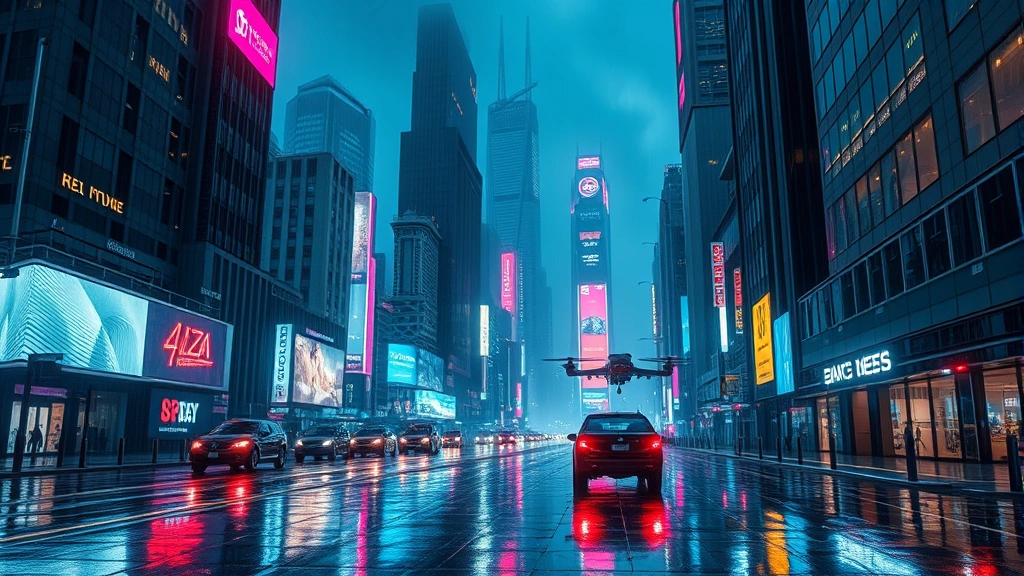
Cyberpunk movies blend science fiction aesthetics with noir storytelling, creating immersive worlds where high technology meets low morality. The genre emerged in the 1980s, drawing inspiration from William Gibson’s literary works and the punk counterculture movement. These films typically feature neon-soaked cityscapes, corporate megacorps, hackers as protagonists, and philosophical questions about what it means to be human in a digitized age.
The visual language of cyberpunk—characterized by retro-futuristic design, holographic interfaces, and dystopian architecture—has become instantly recognizable. What distinguishes cyberpunk from other sci-fi subgenres is its emphasis on individual rebellion against systemic oppression, corporate control, and technological dehumanization. The best cyberpunk movies balance spectacular visuals with substantive narratives that challenge viewers to reconsider their relationship with technology and society.
According to research on science fiction’s cultural impact, cyberpunk specifically has influenced how technologists, policymakers, and the general public conceptualize artificial intelligence and digital futures. The genre serves as a cultural laboratory for exploring technological anxieties before they become reality.
Essential Classics
Blade Runner (1982) remains the definitive cyberpunk film, establishing visual and narrative conventions that persist today. Ridley Scott’s masterpiece explores consciousness and humanity through the eyes of Rick Deckard, a retired cop tasked with eliminating artificial beings indistinguishable from humans. The film’s meditation on what constitutes personhood transcends its sci-fi premise, offering philosophical depth that rewards repeated viewing. Blade Runner’s influence extends beyond cinema into visual art, fashion, and architectural design.
Johnny Mnemonic (1995) brings William Gibson’s short story to vivid life, featuring Keanu Reeves as a courier with data literally encoded in his brain. While sometimes dismissed by critics, the film captures cyberpunk’s anarchic energy and visual inventiveness. Its depiction of virtual reality and corporate espionage anticipated internet culture’s trajectory, making it a fascinating time capsule of 1990s techno-optimism mixed with dystopian anxiety.
Ghost in the Shell (1995) revolutionized animated cinema while exploring consciousness, identity, and embodiment. Mamoru Oshii’s philosophical masterpiece asks whether a sentient artificial being with downloaded human memories possesses a soul. The film’s influence on subsequent sci-fi works—including live-action adaptations—cannot be overstated. Its intricate animation, haunting score, and cerebral narrative established anime as a serious medium for cyberpunk storytelling.
The Matrix (1999) exploded cyberpunk into the mainstream, combining martial arts, philosophical inquiry, and groundbreaking visual effects. The Wachowskis’ film presents reality itself as a simulated construct, with hackers as humanity’s liberation force. Beyond its cultural impact, The Matrix introduced millions to cyberpunk aesthetics and themes, from bullet-time cinematography to the concept of digital rebellion. You can explore iconic movie quotes from The Matrix to understand its linguistic influence on popular culture.
Cyberpunk 2077: Phantom Liberty and its source material influenced contemporary adaptations, though the original Neuromancer (never fully adapted to screen) remains cyberpunk’s literary foundation. Films like Johnny Mnemonic attempted Gibson’s dense worldbuilding with varying success, but his influence permeates every film on this list.

Modern Masterpieces
Elysium (2013) updates cyberpunk for contemporary concerns, depicting a future where wealth inequality has literally created two worlds—the wealthy live on a space station while the poor struggle on a polluted Earth. Neill Blomkamp’s visual storytelling and action sequences combine with social commentary on healthcare, immigration, and class division. The film demonstrates how cyberpunk themes remain urgently relevant to current political discourse.
Ex Machina (2014) strips cyberpunk down to its philosophical essence, focusing on a programmer evaluating an artificial intelligence’s consciousness through conversation and observation. Alex Garland’s minimalist approach proves that cyberpunk doesn’t require sprawling megacities or elaborate action sequences—intellectual tension and ethical ambiguity suffice. The film’s exploration of agency, manipulation, and artificial consciousness offers profound insights into AI ethics before such concerns dominated public discourse.
Altered Carbon (2018-2020), while technically a streaming series, represents cyberpunk’s television renaissance. The show expands on cyberpunk tropes with serialized storytelling, exploring consciousness transfer, corporate dominance, and identity in ways feature films cannot. Its production design, narrative complexity, and willingness to engage with cyberpunk’s philosophical core demonstrate the genre’s continued evolution.
Blade Runner 2049 (2017) proves that sequels can expand cyberpunk mythology meaningfully. Denis Villeneuve’s visually stunning continuation explores themes of legacy, meaning, and what remains human in an increasingly artificial world. The film’s deliberate pacing and philosophical meditation on existence show cyberpunk’s capacity for artistic ambition beyond spectacle.
Ready Player One (2018) presents cyberpunk through a more optimistic lens, celebrating virtual reality escapism while acknowledging its societal costs. Steven Spielberg’s adaptation emphasizes the tension between digital and physical reality, exploring how technology offers both liberation and imprisonment depending on perspective.
Underrated Gems
Videodrome (1983) remains David Cronenberg’s most prescient work, exploring how media technology blurs reality and identity. The film’s grotesque body horror and philosophical inquiry into consciousness presaged contemporary concerns about digital addiction and information warfare. Its influence on cyberpunk aesthetics—particularly the fusion of organic and technological imagery—appears throughout subsequent films.
Tetsuo: The Iron Man (1989) offers experimental cyberpunk from Japanese director Shinya Tsukamoto, depicting a man transforming into metal through mysterious technological forces. The film’s avant-garde approach, black-and-white cinematography, and surreal narrative create an unsettling meditation on technology’s invasion of the human body. While challenging viewing, it expands cyberpunk’s artistic possibilities beyond conventional narrative structures.
Strange Days (1995) explores virtual reality technology enabling users to experience others’ recorded memories and sensations. Kathryn Bigelow’s direction combines cyberpunk aesthetics with noir sensibilities, creating a film that examines voyeurism, consent, and technological mediation of human experience. Its prescient commentary on surveillance and data commodification remains disturbingly relevant.
Looper (2012) combines cyberpunk elements with time-travel narrative and philosophical questions about identity and fate. Rian Johnson’s film demonstrates how cyberpunk themes—technological determinism, corporate control, individual agency—function within diverse genre frameworks beyond traditional dystopian settings.
Dredd (2012) brings Judge Dredd’s dystopian megacity to life with visceral action and world-building that captures cyberpunk’s urban decay aesthetic. The film’s commitment to practical effects and location shooting creates tactile immersion that digital cinematography sometimes lacks. Consider exploring streaming platforms for similar action-driven cyberpunk content to discover additional hidden treasures.
Cyberpunk Themes in Film
Corporate Dominance and Megacorps represent cyberpunk’s central conflict. Films depict corporations as more powerful than governments, controlling information, resources, and technology. This theme reflects anxieties about real-world corporate consolidation and influence, making cyberpunk’s warnings feel increasingly prescient.
Artificial Intelligence and Consciousness explore what defines humanity when machines achieve sentience. Films like Ghost in the Shell and Ex Machina question whether consciousness requires biological substrate or emerges from sufficient computational complexity. These narratives frame AI not as external threats but as philosophical mirrors reflecting our own uncertainties about identity and existence.
Virtual Reality and Digital Embodiment examine how technology mediates human experience and relationships. From The Matrix to Ready Player One, these films explore escapism, presence, and authenticity in increasingly digital societies. They ask whether experiences in virtual spaces hold equal validity to physical reality.
Surveillance and Privacy form cyberpunk’s political backbone. These films depict omnipresent monitoring systems, data collection, and loss of anonymity. Contemporary relevance has intensified as real-world surveillance technologies approach fictional depictions, making these narratives feel less speculative and more documentary-adjacent.
Individual Rebellion Against Systems positions protagonists as hackers, outcasts, and rebels fighting corporate and governmental control. This theme celebrates technological literacy and individual agency as resistance tools, resonating with audiences skeptical of institutional authority.
Body Modification and Transhumanism explore how technology enhances, replaces, or corrupts the human body. Cyberpunk films depict prosthetics, implants, and artificial enhancements as both liberatory and dehumanizing, reflecting ambivalence about technological progress.

How to Watch Cyberpunk Movies
Building a cyberpunk film experience requires thoughtful curation. Start with Blade Runner and The Matrix to understand the genre’s foundational aesthetics and themes. Then explore Ghost in the Shell and Johnny Mnemonic to appreciate cyberpunk’s visual and narrative diversity.
For contemporary perspectives, watch Ex Machina and Blade Runner 2049 to see how cyberpunk evolves while maintaining thematic continuity. Include underrated works like Strange Days and Videodrome to appreciate the genre’s experimental possibilities and historical development.
Consider pairing cyberpunk films with critical analysis. Resources like The Hollywood Reporter’s film criticism and Criterion’s curated collections offer contextual frameworks for understanding these complex works. Understanding film criticism fundamentals enhances appreciation—explore how to become a film critic to develop analytical skills for engaging with sophisticated cinema.
Create viewing marathons organized thematically rather than chronologically. One session might focus on consciousness and identity (Ghost in the Shell, Ex Machina, Altered Carbon), while another explores corporate power and rebellion (Elysium, Johnny Mnemonic, The Matrix). This approach reveals thematic patterns across decades of filmmaking.
Engage with professional film review sites to discover diverse critical perspectives on these works. Multiple viewpoints illuminate aspects individual viewing might miss, deepening comprehension and appreciation.
Visit the ScreenVibe Daily Blog for ongoing film analysis and recommendations that expand your cyberpunk knowledge beyond this guide.
FAQ
What defines a cyberpunk movie?
Cyberpunk films combine science fiction aesthetics with dystopian narratives, typically featuring advanced technology, corporate dominance, hacking culture, and philosophical questions about consciousness and humanity. Visual elements include neon lighting, futuristic cities, and retro-futuristic design. Thematically, they explore surveillance, artificial intelligence, virtual reality, and individual resistance against systemic oppression.
Are cyberpunk movies only for tech enthusiasts?
No. While cyberpunk appeals to technology-interested audiences, the best examples work as philosophical dramas, action films, or character studies regardless of technical background. Blade Runner functions as noir detective fiction, The Matrix works as action spectacle, and Ex Machina operates as intimate psychological thriller. Technology provides context, but human themes drive these narratives.
Which cyberpunk movie should I watch first?
The Matrix offers the most accessible entry point, combining action, visual innovation, and philosophical depth. Blade Runner provides a more contemplative introduction but requires patience. For something contemporary, start with Ex Machina, which distills cyberpunk themes into a focused, intellectually engaging narrative.
How do cyberpunk movies predict real technology?
Cyberpunk films often extrapolate from existing technological trajectories, imagining plausible futures. Videodrome anticipated media manipulation and information warfare. The Matrix explored virtual reality years before contemporary VR development. Ex Machina addressed AI consciousness questions now dominating tech discourse. These films function as speculative laboratories for imagining technological futures before they arrive.
Are there cyberpunk movies beyond English-language productions?
Absolutely. Ghost in the Shell (Japanese anime) and Tetsuo: The Iron Man (Japanese experimental) represent crucial cyberpunk works. Korean cinema offers cyberpunk elements in various films, and international productions continue exploring these themes. Cyberpunk’s visual language and thematic concerns transcend linguistic and cultural boundaries, enabling global creative engagement.
What’s the difference between cyberpunk and steampunk films?
Cyberpunk emphasizes digital technology, virtual reality, artificial intelligence, and information systems in futuristic settings. Steampunk features mechanical technology, industrial aesthetics, and alternate historical settings. Cyberpunk looks forward; steampunk reimagines the past. Thematically, cyberpunk explores digital consciousness and virtual embodiment, while steampunk focuses on mechanical innovation and industrial power dynamics.


