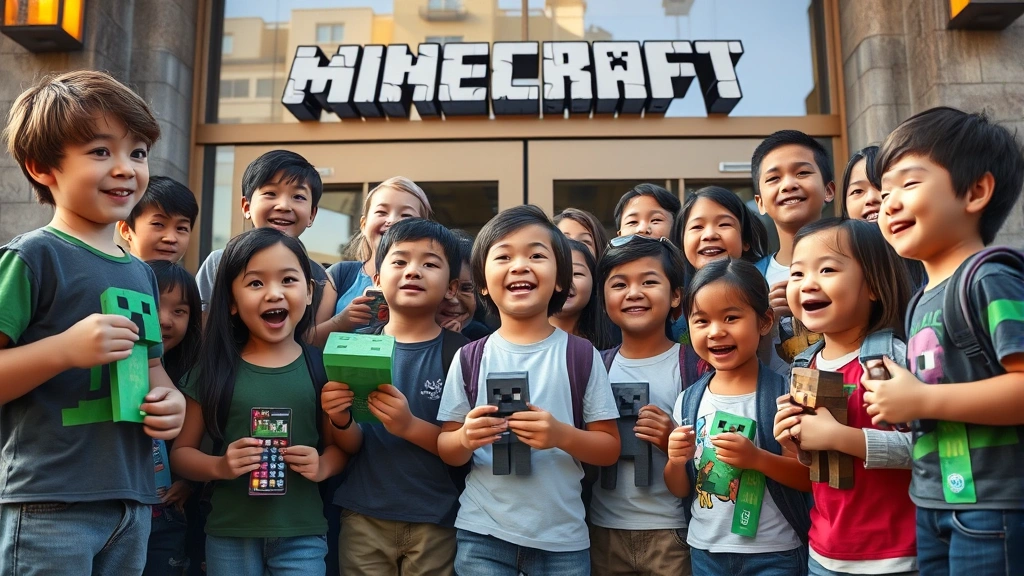
Minecraft Toys Movie: A Cultural Phenomenon?
The intersection of gaming, toy manufacturing, and cinema has created one of the most intriguing entertainment crossovers of recent years. The Minecraft toys movie represents far more than a simple merchandise tie-in or adaptation—it embodies a fundamental shift in how entertainment properties leverage multiple media formats to build cultural dominance. What began as a blocky sandbox game in 2009 has evolved into a multimedia empire that commands attention from children, teenagers, and adults alike, with toy lines and film adaptations serving as crucial pillars in its expansive ecosystem.
Understanding whether the Minecraft toys movie phenomenon qualifies as a genuine cultural moment requires examining the convergence of gaming popularity, toy industry trends, and Hollywood’s increasing reliance on intellectual property with established fanbases. This analysis explores how Minecraft transcended its original medium to become a transmedia franchise capable of sustaining interest across physical toys, theatrical releases, and digital platforms simultaneously.
The Evolution of Minecraft as a Media Franchise
Minecraft’s journey from indie game sensation to cultural juggernaut represents one of the most significant success stories in digital entertainment. When Notch released the game in 2009, few anticipated its transformative potential. The game’s appeal—rooted in creative freedom, accessibility across platforms, and an intuitive building mechanics system—resonated with demographics far broader than traditional gaming audiences. Within a decade, Minecraft had sold over 200 million copies across all platforms, establishing itself as the best-selling video game of all time.
This unprecedented popularity created a natural foundation for expansion into adjacent media. Unlike many games that attempted film adaptations with limited success, Minecraft possessed several inherent advantages: a massive, engaged global audience; creative flexibility unbound by rigid narrative constraints; and intellectual property recognition that transcended gaming circles. Parents who had never played the game knew about Minecraft through their children, teachers incorporated it into classroom curricula, and cultural commentators recognized its significance as a generational touchstone.
The franchise’s evolution reflects broader patterns in entertainment consolidation. Microsoft’s 2014 acquisition of Minecraft for $2.5 billion signaled corporate recognition of the property’s value beyond gaming. This investment enabled coordinated multimedia development impossible for independent creators, allowing simultaneous expansion into television, toys, and theatrical releases. The strategic approach differed markedly from earlier game-to-film adaptations, emphasizing brand consistency and audience cultivation rather than one-off theatrical gambles.
Visit the ScreenVibeDaily blog for ongoing coverage of gaming adaptations and transmedia franchises reshaping entertainment landscapes.
Toy Lines and Merchandising Strategy
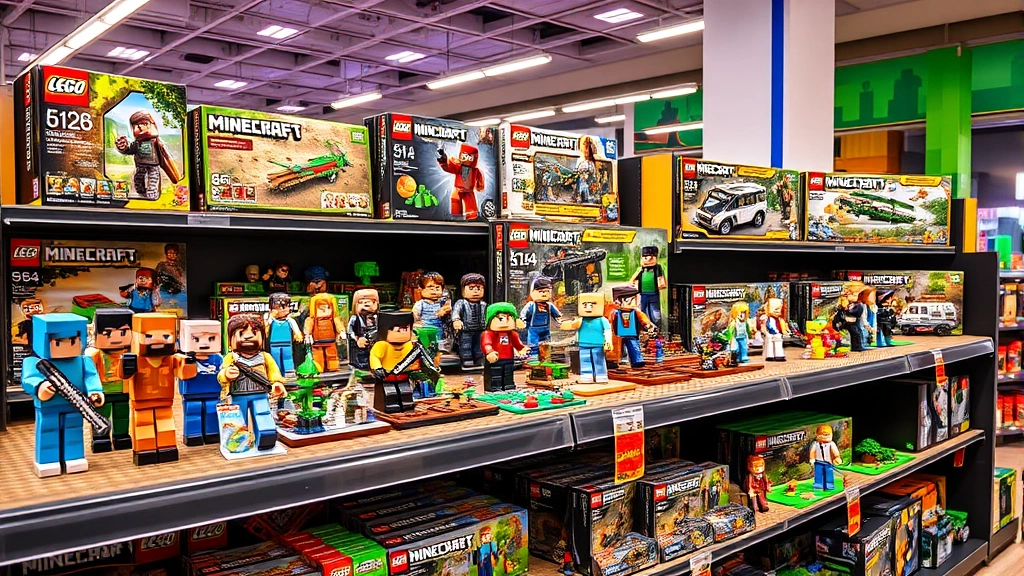
The toy industry has long recognized that successful franchises generate revenue across multiple product categories. Minecraft toys represent a particularly sophisticated approach to merchandising, translating the game’s aesthetic directly into physical products without requiring significant design adaptation. The characteristic blocky art style that defines the game translates seamlessly into action figures, building sets, and collectible items.
Major toy manufacturers recognized Minecraft’s merchandising potential early. Mattel’s partnership with the franchise produced action figure lines featuring iconic characters like Steve, Creepers, and Endermen. LEGO’s Minecraft collaboration proved especially significant, introducing building sets that merged two construction-based play experiences. These partnerships weren’t merely cynical profit-seeking; they represented genuine brand synergy. LEGO’s brick-based system aligned naturally with Minecraft’s voxel-based building mechanics, creating products that extended gameplay experiences rather than simply capitalizing on character recognition.
The toy strategy demonstrates sophisticated understanding of how children engage with franchises across media. A child watching a Minecraft movie might desire action figures of favorite characters, while a child playing the game might appreciate physical representations of in-game items. This cross-pollination drives sales across product categories while reinforcing brand presence in domestic spaces. Parents purchasing toys reinforce their children’s franchise engagement, creating cyclical consumption patterns that benefit all stakeholders.
Market research indicates that toy sales tied to entertainment properties have increased substantially over the past decade. According to Pew Research Center studies on consumer behavior, licensed merchandise tied to established franchises consistently outperforms generic alternatives. Minecraft toys benefit from this trend while offering genuine play value independent of media consumption, a distinction that separates successful franchises from those relying purely on nostalgia or character recognition.
The merchandising approach also reflects changing retail landscapes. Traditional toy stores have declined significantly, but toy sales through online platforms and general retailers have expanded. Minecraft’s universal appeal allows toy lines to reach audiences across multiple retail channels simultaneously, maximizing distribution efficiency and market penetration.
The Movie Adaptation Landscape
Hollywood’s interest in game-to-film adaptations has intensified considerably, though historical success rates remained disappointingly low until recently. Early attempts like “Super Mario Bros.” (1993) and “Street Fighter” (1994) demonstrated the challenges of translating interactive experiences into linear narratives. The Minecraft movie project, however, benefited from lessons learned across two decades of adaptation attempts and significant studio investment.
The film’s development involved considerable creative deliberation. Unlike games with predetermined narratives, Minecraft required screenwriters to construct original stories within the game’s established universe. This creative challenge potentially offered advantages—filmmakers possessed freedom to develop narratives unconstrained by game mechanics or existing plot requirements. The blocky aesthetic that defines Minecraft gameplay presented unique visual opportunities, with early promotional materials emphasizing the distinctive art style that had become synonymous with the franchise.
Director selection proved crucial for the project’s credibility. Hiring established filmmakers rather than visual effects specialists signaled commitment to narrative quality alongside technical achievement. This approach contrasted with earlier game adaptations that sometimes prioritized spectacle over storytelling, a distinction that industry observers noted when evaluating the project’s potential success.
For context on how film adaptations of established properties perform, review our guide to best movie review sites to understand critical assessment frameworks.
The movie’s narrative reportedly centers on a protagonist discovering the Minecraft universe and learning to navigate its dangers and opportunities. This framing device—an outsider entering an unfamiliar world—provides accessible entry points for audiences unfamiliar with the game while offering deeper resonance for established fans. The approach mirrors successful transmedia franchises that balance fanservice with broader audience accessibility.
Cultural Impact and Audience Reception
Assessing whether the Minecraft toys movie qualifies as a genuine cultural phenomenon requires examining audience reception across demographic segments. The property’s cultural penetration extends far beyond typical gaming audiences, encompassing children with no gaming experience, parents seeking family entertainment, and cultural observers tracking entertainment industry trends.
Educational institutions have amplified Minecraft’s cultural presence. Schools worldwide incorporate Minecraft Education Edition into curricula, teaching subjects from mathematics to history through game-based learning. This institutional adoption created generational familiarity that transcended entertainment consumption, positioning Minecraft as a culturally significant text worthy of serious consideration rather than dismissal as mere commercial entertainment.
Social media engagement metrics indicate substantial audience interest. Minecraft consistently ranks among the most-discussed gaming franchises across platforms like TikTok, YouTube, and Twitter. User-generated content—from gameplay videos to fan art—demonstrates persistent community engagement that sustains franchise visibility between major releases. This organic cultural presence supplements corporate marketing efforts, creating authentic grassroots enthusiasm that traditional advertising struggles to generate.
The toy movie phenomenon also reflects changing attitudes toward gaming properties within mainstream entertainment discourse. A decade ago, video game adaptations faced significant skepticism from critics and mainstream audiences. Current cultural attitudes have shifted substantially, with gaming now recognized as legitimate source material for theatrical adaptations rather than niche properties requiring translation for general audiences.
Explore upcoming movies in 2025 and 2026 to see how Minecraft and other gaming adaptations fit within broader theatrical release schedules.
International reception deserves particular attention. Minecraft’s global player base means the franchise maintains passionate fanbases across Europe, Asia, Latin America, and other regions. The toys movie benefits from this worldwide recognition, positioning it as a genuinely global entertainment property rather than American-centric IP. This international appeal increases commercial potential while establishing the franchise’s cultural significance across diverse markets and demographic groups.
Box Office Performance and Commercial Viability
Understanding whether the Minecraft toys movie constitutes a cultural phenomenon requires examining its commercial performance alongside critical reception. Box office returns serve as quantifiable indicators of audience enthusiasm, though they represent only partial measures of cultural impact.
The film’s budget and release strategy reflect studio confidence in the property’s commercial viability. Major studios typically allocate substantial resources only to projects demonstrating significant profit potential. The investment in Minecraft movie production signaled executive belief that the franchise could sustain theatrical releases comparable to established blockbuster properties.
Domestic and international box office performance provides crucial context for assessing the movie’s success. Strong opening weekends, sustained audience interest across multiple weeks, and international market performance all contribute to understanding whether the property achieved genuine cultural penetration or merely capitalized on existing franchise recognition.
The interplay between movie performance and toy sales creates complex commercial dynamics. Successful theatrical releases boost toy sales significantly, while established toy popularity provides moviegoing audiences. This feedback loop means the toys movie functions as integrated marketing strategy rather than standalone venture. Strong toy sales preceding the film indicate pre-existing audience enthusiasm, while post-release toy sales demonstrate sustained interest following theatrical exposure.
Industry analysts have tracked how gaming franchises perform at the box office. According to The Verge’s entertainment coverage, gaming adaptations have increasingly achieved commercial success, validating the shift toward serious development of properties with established digital audiences. Minecraft’s performance contributes to this broader trend while potentially influencing future studio investment in gaming IP.
Merchandise sales tie-ins deserve particular attention in evaluating commercial success. The toys movie generates revenue through multiple channels: theatrical admissions, streaming rights, toy sales, licensing agreements, and ancillary merchandise. This diversified revenue model distributes financial risk while maximizing profit potential. A movie that underperforms theatrically might still achieve profitability through strong toy sales, creating different success metrics than traditional film-only properties.
The Broader Entertainment Industry Implications
The Minecraft toys movie phenomenon carries significance extending beyond the franchise itself, reflecting fundamental shifts in how entertainment properties are developed, marketed, and monetized. Understanding these broader implications illuminates why the project matters within contemporary media landscapes.
Transmedia storytelling represents a dominant contemporary approach to franchise development. Rather than treating movies, games, toys, and other media as separate ventures, successful modern franchises coordinate narrative development and marketing across platforms. Minecraft’s approach to this challenge—maintaining brand consistency while allowing each medium to offer distinct value—provides a model for how established gaming properties can expand into adjacent media without cannibalizing existing audiences.
The franchise demonstrates that gaming properties no longer require proving their viability through cinema. Where previous studios approached game-to-film adaptations defensively, attempting to justify why games deserved serious consideration, contemporary projects like Minecraft proceed from assumption that gaming franchises represent legitimate source material. This attitudinal shift reflects gaming’s evolution from niche hobby to dominant entertainment medium commanding cultural attention equivalent to film, television, and literature.
Studio decision-making regarding intellectual property development has shifted accordingly. Rather than treating gaming properties as speculative ventures requiring special justification, studios increasingly view established gaming franchises as equivalent to superhero properties, literary adaptations, or other traditional IP sources. Minecraft’s status as the best-selling game ever provides obvious commercial justification, but even less commercially dominant properties increasingly receive serious development consideration.
The toys movie also illuminates how physical and digital products coexist within contemporary entertainment ecosystems. Previous generations sometimes viewed toys and games as competing products; contemporary franchises treat them as complementary offerings serving different consumption needs. A child might play Minecraft digitally while collecting action figures and watching theatrical releases, with each medium reinforcing engagement with the broader franchise.
For analysis of how critics evaluate adapted properties, see our article on how to become a film critic to understand evaluation frameworks applied to transmedia franchises.
Marketing efficiency represents another significant implication. Building franchises across multiple media allows studios to amortize marketing costs while reaching audiences through diverse channels. A child exposed to Minecraft toys in retail environments might develop curiosity about the movie, while a moviegoer might purchase related merchandise. This interconnected marketing approach reduces per-unit marketing expenses while improving overall campaign effectiveness.
The franchise also demonstrates how intellectual property licensing generates revenue independent of direct content production. Companies manufacturing Minecraft toys, clothing, accessories, and other products pay licensing fees to franchise holders. These revenue streams require minimal production involvement from core development studios while generating substantial profits. This licensing model has become central to how entertainment companies monetize established franchises, with Minecraft demonstrating the approach’s viability at scale.
Looking for best movie quotes from contemporary films? Minecraft movie dialogue may soon feature among memorable cinematic moments as the franchise establishes theatrical presence.
The phenomenon also reflects consolidation within entertainment industries. Microsoft’s ownership of Minecraft enables coordinated development across gaming, film, toys, and other media. This corporate structure contrasts with earlier periods when different companies controlled different aspects of franchises, creating coordination challenges and conflicting strategic interests. Vertical integration allows unified vision across all franchise elements, potentially improving overall coherence and commercial performance.
Audience Demographics and Market Segmentation
The Minecraft toys movie’s potential cultural significance varies substantially across demographic segments. Understanding these variations requires examining how different audiences engage with the franchise and what value each demographic segment derives from the property.
Children represent the obvious primary audience. Kids aged 6-14 who play Minecraft represent a core demographic likely to watch the movie and purchase related merchandise. This group’s engagement typically extends across multiple media, with simultaneous consumption of games, toys, and theatrical releases. For this demographic, the toys movie functions as natural extension of existing franchise engagement rather than independent entertainment offering.
Teenagers and young adults constitute a secondary but significant audience segment. This demographic grew up with Minecraft, potentially experiencing its release during formative years. Their engagement often emphasizes gaming itself rather than movies or toys, but theatrical releases may attract viewers seeking nostalgia or cultural participation. This group’s engagement differs qualitatively from younger children but potentially reaches substantial numbers given Minecraft’s global penetration across age groups.
Parents and family audiences represent another important segment. Parents purchasing toys for children or selecting family entertainment often make consumption decisions independent of children’s preferences. The Minecraft movie’s appeal to this demographic depends on factors like critical reception, storytelling quality, and perceived appropriateness. Successful family entertainment reaches this demographic while maintaining appeal to younger audiences, a balance crucial for commercial success.
Adult audiences without children represent a smaller but potentially significant segment. Cultural observers, entertainment critics, and casual audiences interested in gaming adaptations might view the film independent of family considerations. This demographic’s engagement reflects interest in how gaming properties translate to cinema rather than childhood nostalgia or parent-child bonding experiences.
Critical Reception and Industry Analysis
Assessing the Minecraft toys movie’s cultural significance requires engaging with critical reception from film critics, industry analysts, and cultural commentators. Critical consensus shapes how properties are discussed in mainstream discourse, influencing broader cultural perception independent of audience enthusiasm.
Film critics have historically approached gaming adaptations skeptically, reflecting previous projects’ poor reception. However, critical attitudes have evolved substantially as gaming properties receive more serious development and filmmaking talent. The Minecraft movie’s critical reception will likely influence how future gaming adaptations are evaluated, potentially establishing precedent for whether gaming properties deserve consideration equivalent to traditional IP sources.
Industry analysts track how gaming adaptations perform relative to other entertainment properties. Publications covering entertainment business—including The Hollywood Reporter and Variety—regularly assess gaming IP’s commercial viability and cultural significance. The Minecraft movie’s performance will contribute to broader industry understanding of gaming properties’ theatrical potential.
Academic researchers studying transmedia franchises and contemporary entertainment economics increasingly examine properties like Minecraft as significant case studies. The franchise’s evolution across multiple media provides rich material for analyzing how modern entertainment properties are developed, marketed, and consumed. Scholarly attention elevates the property’s cultural significance beyond commercial metrics alone.
The Role of Community and User-Generated Content
Minecraft’s cultural presence extends significantly beyond official corporate content. The franchise’s community generates substantial user-created content—from YouTube videos to fan art to custom mods—that sustains engagement and drives cultural visibility independent of theatrical releases or toy launches.
This community-generated content ecosystem differs markedly from traditional entertainment properties’ relationship with audiences. Minecraft’s architecture explicitly enables user creativity, with players constructing elaborate structures, developing custom gameplay modes, and sharing creations globally. This participatory dimension creates investment in the franchise extending far beyond passive consumption of official media.
The toys movie benefits from this established community enthusiasm. Players who have invested thousands of hours constructing elaborate worlds may develop interest in theatrical adaptations or toy lines as extensions of existing engagement. Conversely, new audiences encountering the movie might develop curiosity about gameplay itself, driving adoption among demographics previously unfamiliar with the franchise.
Content creators on platforms like YouTube and Twitch have built substantial audiences through Minecraft content. These creators function as unofficial franchise ambassadors, influencing audience perceptions and sustaining cultural visibility. Their coverage of the toys movie provides organic marketing extending reach beyond corporate promotional campaigns.
Challenges and Potential Pitfalls
Despite significant commercial potential and cultural momentum, the Minecraft toys movie faces genuine challenges that could limit its cultural impact or commercial success. Understanding these obstacles provides balanced perspective on whether the franchise genuinely constitutes a cultural phenomenon or represents speculative venture with uncertain outcomes.
Adaptation challenges remain significant despite improved industry understanding of gaming properties. Translating Minecraft’s open-ended, non-narrative gameplay into compelling linear storytelling requires creative choices that may alienate some audience segments. Decisions regarding narrative direction, character development, and tonal approach inevitably disappoint some viewers while satisfying others.
Oversaturation represents another potential challenge. Minecraft’s massive popularity means substantial audience exposure to franchise content already. Additional movie or toy releases might face diminishing returns as audiences experience franchise fatigue. The window for capitalizing on peak cultural interest remains open but finite, requiring careful timing and quality execution.
Competitive landscape considerations matter substantially. Other gaming properties pursue similar transmedia strategies, potentially dividing audience attention and cultural mindshare. The Minecraft toys movie competes not only against other entertainment offerings but against other gaming adaptations pursuing similar market segments.
Quality concerns deserve consideration. Successful franchises maintain consistent quality across all media offerings. Disappointing movies or poorly-designed toys can damage broader franchise reputation, potentially impacting future theatrical releases or merchandise sales. The stakes of individual projects extend beyond immediate commercial performance to long-term franchise viability.
FAQ
What makes the Minecraft toys movie culturally significant?
The Minecraft toys movie represents a convergence of gaming popularity, toy industry trends, and Hollywood’s increasing reliance on established intellectual property. With over 200 million games sold globally and recognition across age demographics, Minecraft possesses cultural penetration extending beyond typical gaming audiences. The transmedia approach—coordinating movies, toys, and games—demonstrates how contemporary entertainment franchises function across multiple platforms simultaneously.
How do toy sales relate to movie success?
Toy sales and movie performance exist in symbiotic relationship. Successful movies boost toy sales as audiences seek physical representations of favorite characters and items. Conversely, established toy popularity demonstrates pre-existing audience enthusiasm, providing marketing foundation for theatrical releases. The toys movie functions as integrated strategy where each medium reinforces engagement with the franchise overall.
Why do gaming properties work better for transmedia franchises now?
Gaming properties have evolved from niche entertainment to dominant media commanding cultural attention equivalent to film and television. Contemporary audiences view gaming as legitimate source material for adaptations, eliminating defensive posturing previous adaptations required. Additionally, established gaming franchises provide built-in audiences, intellectual property recognition, and creative flexibility that facilitate successful expansion across media.
What distinguishes Minecraft from earlier game-to-film adaptations?
Minecraft benefits from lessons learned across two decades of gaming adaptation attempts. Earlier projects like “Super Mario Bros.” and “Street Fighter” often prioritized spectacle over narrative quality. Contemporary approaches emphasize storytelling while leveraging distinctive visual aesthetics. Additionally, Minecraft’s unprecedented popularity and cultural penetration provide commercial foundation previous gaming properties lacked.
How does the Minecraft toys movie impact the broader entertainment industry?
The project demonstrates that gaming properties merit serious development comparable to superhero franchises or literary adaptations. Success with the Minecraft toys movie potentially increases studio investment in gaming IP, validating transmedia approaches to franchise development. The project also illustrates how physical products, digital media, and theatrical releases coexist within contemporary entertainment ecosystems.
Will the Minecraft toys movie achieve genuine cultural phenomenon status?
Determining whether the property achieves genuine cultural phenomenon status requires examining box office performance, critical reception, cultural discourse, and long-term franchise viability. The franchise possesses significant advantages—established audience, global recognition, and coordinated multimedia strategy—but faces challenges including adaptation difficulties and competitive landscape. Time will reveal whether the toys movie sustains cultural relevance beyond initial commercial success.


