
Pulp Fiction Poster Design: An Art Analysis
The Pulp Fiction movie poster stands as one of cinema’s most iconic visual achievements, transcending its function as mere promotional material to become a cultural artifact in its own right. Released in 1994, Quentin Tarantino’s groundbreaking film arrived with promotional imagery that perfectly captured the film’s irreverent energy, nonlinear narrative structure, and bold aesthetic choices. The poster’s design has become so synonymous with ’90s cinema that it remains instantly recognizable across generations, adorning dorm rooms, art galleries, and film studies classrooms worldwide.
What makes the Pulp Fiction poster particularly fascinating is how it communicates the film’s essence through visual language alone. The design manages to convey violence, humor, style, and sophistication simultaneously—mirroring the film’s own tonal complexity. This analysis explores the poster’s artistic elements, its cultural impact, and its influence on contemporary movie marketing practices.
Visual Composition and Layout Strategy
The primary Pulp Fiction poster features Uma Thurman’s Mia Wallace in a pose that has become instantly iconic—reclining with a cigarette, her red lips pursed in contemplation, her dark hair contrasting against a golden background. This composition employs classical portraiture principles while simultaneously subverting them through its casual, intimate framing. The figure occupies the poster’s central space, creating an immediate focal point that draws viewers into the image.
The compositional strategy demonstrates sophisticated understanding of visual hierarchy. Thurman’s face receives the sharpest focus and highest contrast, while her body gradually softens into the background. This technique, borrowed from classical painting and refined through decades of portrait photography, creates depth and dimensionality on a two-dimensional surface. The positioning of her body—diagonal and relaxed rather than rigid and formal—communicates accessibility and intrigue simultaneously.
The poster’s background employs a warm, golden-orange gradient that frames the subject without overwhelming it. This negative space serves multiple functions: it provides breathing room for the composition, creates visual separation from competing theatrical posters, and establishes the film’s aesthetic universe. The gradient’s warmth contrasts with the cool tones of Thurman’s complexion and hair, creating visual tension that keeps the eye engaged.
Understanding how contemporary film marketing approaches differ from ’90s practices reveals how revolutionary this poster’s simplicity actually was. Where many films cluttered posters with multiple characters, logos, and explanatory text, the Pulp Fiction design trusted viewers to recognize its power through restraint.
Color Theory and Emotional Impact
Color selection in the Pulp Fiction poster operates on multiple psychological and aesthetic levels. The dominant golden-orange palette evokes warmth, sensuality, and vintage cinema aesthetics simultaneously. This warmth creates an inviting quality that draws viewers closer, while simultaneously suggesting danger through its association with fire and intensity. The color choice references both classic Hollywood glamour photography and pulp magazine design from the mid-twentieth century.
Thurman’s lips provide the poster’s primary color accent—a deep, rich red that commands attention without dominating the composition. Red functions as the design’s emotional anchor, signaling passion, danger, and desirability. In color psychology, red stimulates emotional response and creates urgency, making it an ideal choice for theatrical promotion. The lip color’s intensity contrasts sharply with the softer tones surrounding it, creating visual hierarchy through chromatic differentiation.
The black elements—primarily her hair and clothing—provide crucial tonal grounding. Black creates definition and prevents the warm background from appearing flat or washed out. These dark elements also reference film noir aesthetics, connecting the poster visually to the crime and mystery genres that Pulp Fiction both celebrates and deconstructs. The interplay between warm backgrounds and cool dark subjects creates the visual tension that makes the poster dynamically engaging.
Gold and orange tones also reference vintage print design and pulp magazine covers from the 1950s and 1960s, directly connecting to the film’s title and thematic concerns. This historical color palette creates nostalgic resonance while the contemporary photographic technique keeps the design feeling current and fresh. The color strategy thus bridges past and present, high art and popular culture.

Typography and Textual Elements
The poster’s typographic treatment demonstrates remarkable restraint and sophistication. The film’s title appears in bold, sans-serif lettering that feels both modern and slightly retro—a typeface that could exist in multiple historical moments simultaneously. This temporal ambiguity reflects the film’s own relationship with time and chronology, presenting narrative elements in non-sequential order.
The typography’s weight and size create clear visual hierarchy, with the title commanding attention without overwhelming Thurman’s portrait. The letterforms possess geometric clarity that contrasts with the organic curves of the human figure, creating compositional balance through formal opposition. The text placement—typically below or integrated into the lower portion of the poster—maintains the composition’s focus on the central figure while providing necessary information.
Credits and additional text typically appear in smaller, refined typefaces that enhance the poster’s sophisticated aesthetic. Rather than cramming information into every available space, the design maintains generous whitespace and breathing room. This restraint signals confidence in the material and respects viewer intelligence, assuming audiences will recognize the film’s significance without extensive explanation.
The typography choices influenced how designers approached film promotion materials throughout the following decades. The poster demonstrated that bold simplicity in type treatment could communicate more effectively than elaborate, ornamental lettering.
Iconography and Cultural References
The Pulp Fiction poster engages in sophisticated visual dialogue with multiple artistic and cultural traditions. The central image references classical portraiture while simultaneously invoking pin-up photography and fashion magazine aesthetics. This multiplicity of reference points creates layers of meaning that reward close examination and cultural literacy.
Mia Wallace’s pose and presentation reference the femme fatale archetype that dominates film noir and pulp fiction literature. Her direct gaze toward the viewer creates psychological engagement—she acknowledges the observer’s presence while maintaining mysterious distance. This dynamic tension between intimacy and inscrutability defines much of her character’s appeal within the film itself.
The cigarette functions as a loaded symbolic element, communicating sophistication, danger, and the historical moment of the film’s creation. In 1994, cigarettes carried complex cultural meaning—they signified rebellion and world-weariness while increasingly becoming socially transgressive. The cigarette’s presence on promotional material would be virtually unthinkable today, making the poster a time capsule of its era’s aesthetic values.
The poster’s visual language references both high art and popular culture without privileging either category. This democratic approach to aesthetic sources reflected Pulp Fiction‘s own thematic concerns with the arbitrary hierarchies separating “serious” art from entertainment. The design thus becomes a visual manifesto for the film’s philosophical positions.
When examining famous movie quotes and their cultural impact, one recognizes how visual design works in concert with dialogue and narrative to create lasting cultural impressions. The poster communicates many of Pulp Fiction‘s themes without requiring viewers to have seen the film.
The Evolution of Movie Poster Design
The Pulp Fiction poster emerged at a crucial moment in cinema history when marketing strategies were undergoing fundamental transformation. The rise of independent cinema in the 1990s created opportunities for bold, unconventional promotional approaches that mainstream studios had previously avoided. This poster exemplifies how constraint—whether budgetary or artistic—can produce innovation.
Prior to the ’90s, blockbuster movie posters typically featured multiple cast members, elaborate action sequences, and densely packed information. The trend reflected assumptions about viewer attention spans and marketing efficacy. The Pulp Fiction poster challenged these assumptions by demonstrating that restraint, elegance, and mystery could prove more commercially effective than visual saturation.
The poster’s influence rippled through subsequent decades, inspiring designers to embrace minimalism and sophistication in film marketing. Many contemporary movie posters now employ single-subject compositions, limited color palettes, and generous whitespace—design strategies that the Pulp Fiction poster either pioneered or perfected. The poster thus represents a watershed moment in the evolution of promotional design.
The design also benefited from and contributed to the rise of poster art as legitimate aesthetic practice. What had previously been dismissed as commercial ephemera increasingly received recognition as serious artistic work deserving critical analysis and archival preservation. Museums and galleries began collecting movie posters, and the Pulp Fiction poster became among the most sought-after examples.
Understanding how creative professionals approach visual storytelling reveals why the poster’s design choices remain instructive. Whether creating short films or theatrical features, visual communicators study how the Pulp Fiction poster achieves maximum impact through minimal means.
Marketing Strategy and Audience Targeting
The poster’s design strategy reveals sophisticated understanding of its target demographic and broader cultural moment. In 1994, the independent film movement was ascendant, attracting young, culturally aware audiences hungry for alternatives to mainstream Hollywood products. The poster’s aesthetic sophistication signaled that Pulp Fiction offered intellectual substance alongside entertainment value.
The decision to feature Mia Wallace rather than any male character carried significant marketing implications. While the film’s ensemble cast includes several prominent male actors, the poster’s focus on Thurman communicated several messages: the film valued style and visual spectacle, it took its female characters seriously, and it would appeal to audiences beyond traditional action-film demographics. This strategic choice expanded the potential audience while maintaining artistic credibility.
The poster’s presence in art-house theaters, independent video rental stores, and emerging internet culture created multiple points of cultural contact. The image became collectible and reproducible in ways that more conventional movie posters did not, generating organic cultural circulation that amplified its reach beyond paid advertising channels.
The marketing approach recognized that Pulp Fiction represented something culturally significant beyond its status as entertainment product. The poster positioned the film as an artistic statement worthy of serious attention, which influenced critical reception and cultural conversation surrounding its release. This strategy contributed to the film achieving both commercial success and lasting critical esteem.
Examining how contemporary film criticism evaluates visual design demonstrates that the poster’s artistic merit now receives equal consideration to its commercial effectiveness. This critical integration reflects how thoroughly the Pulp Fiction poster transformed perceptions of movie marketing as legitimate artistic practice.
Legacy and Contemporary Influence
The Pulp Fiction poster’s influence extends far beyond its original theatrical run, fundamentally shaping how designers approach film promotion decades later. Contemporary movie marketing frequently employs strategies that the poster either pioneered or perfected: minimalist compositions, sophisticated color theory, mysterious imagery, and emphasis on visual elegance over information density.
The poster’s iconic status has created interesting challenges for contemporary filmmakers and marketers. References to and homages of the design appear regularly in popular culture, from parody posters to direct quotations in other films’ promotional materials. This cultural penetration demonstrates the poster’s profound influence on visual language and aesthetic standards.
Film scholars and design historians regularly cite the Pulp Fiction poster as a turning point in how cinema markets itself. The design helped establish that movie posters could function simultaneously as commercial products and legitimate artworks, worthy of museum display and academic analysis. This legitimacy transformed the profession of movie poster design, attracting talented visual artists who previously might have dismissed commercial work as artistically inferior.
The poster’s continued relevance reflects broader patterns in how popular culture preserves and venerates its aesthetic artifacts. Decades after its creation, the image remains instantly recognizable and culturally resonant. New generations discover the poster through social media, merchandise, and art contexts, introducing it to audiences who may never have encountered theatrical movie promotion in its original context.
The design’s influence appears in contemporary streaming platform promotional materials, where minimalist approaches and sophisticated color theory have become industry standard. The poster’s legacy extends beyond traditional theatrical exhibition into digital contexts that its creators could not have anticipated.
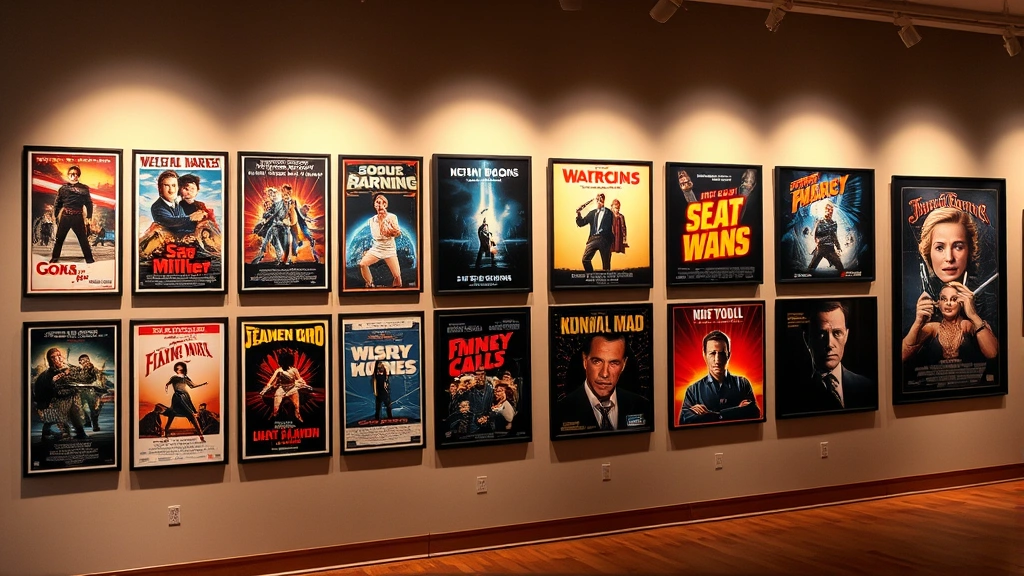
The Pulp Fiction poster ultimately succeeded because it understood that great design communicates on multiple levels simultaneously. It functions as effective advertising, legitimate artwork, cultural document, and aesthetic inspiration. The poster demonstrates that commercial work and artistic expression need not exist in opposition, and that clarity of vision combined with technical excellence can produce enduring cultural impact. Its continued influence on contemporary design practice confirms its status as one of cinema’s most important artistic achievements, even if it exists outside the film itself.
FAQ
Who designed the Pulp Fiction movie poster?
The poster was designed by Weinstein Company’s in-house design team and promotional specialists. The specific designer credit varies depending on source, but the iconic image of Uma Thurman became the definitive theatrical poster distributed internationally. The design emerged from collaborative creative processes typical of major film marketing campaigns.
Why did the poster become so famous?
The poster achieved iconic status through its combination of visual sophistication, cultural timing, and the film’s own massive success. The image’s striking composition, mysterious quality, and reference to multiple aesthetic traditions made it immediately memorable and culturally significant. Its continued popularity reflects both the film’s lasting influence and the poster’s inherent artistic merit.
How has the poster influenced modern movie marketing?
The Pulp Fiction poster fundamentally changed how studios approach film promotion. Its emphasis on minimalism, sophisticated color theory, and artistic restraint became industry standard. The design demonstrated that elegant simplicity could prove more commercially effective than visual complexity, influencing countless subsequent theatrical releases.
Is the Pulp Fiction poster considered fine art?
Yes, the poster now receives recognition as legitimate artwork deserving museum display and academic analysis. Major institutions have acquired copies for permanent collections, and design historians regularly discuss it alongside other significant twentieth-century visual achievements. The poster represents the legitimization of commercial design as serious artistic practice.
What makes the composition so effective?
The composition employs classical portraiture principles while subverting them through contemporary photographic technique and unconventional subject matter. The central focal point, sophisticated color palette, clear visual hierarchy, and mysterious quality combine to create an image that commands attention while rewarding sustained examination. The design demonstrates masterful understanding of visual communication principles.
How does the poster relate to the film’s themes?
The poster visually communicates many of Pulp Fiction‘s central concerns: the intersection of high art and popular culture, the complexity of female characters, the film’s stylish aesthetic approach, and its engagement with genre conventions. The design thus becomes a visual manifesto for the film’s philosophical positions and thematic preoccupations.


