Rare Exports Movie Review: Worth Watching?
Rare Exports stands as one of cinema’s most audaciously inventive holiday films, a Finnish horror-comedy that completely deconstructs the Santa Claus mythology while delivering genuine scares, dark humor, and surprisingly poignant character moments. Released in 2010 and directed by Jalmari Helander, this cult classic has quietly built a devoted following among cinephiles who appreciate unconventional storytelling and filmmaker ambition. The film operates on multiple levels simultaneously—functioning as a creature feature, a family drama, a commentary on commercialism, and a meditation on childhood innocence—making it endlessly rewatchable and worthy of serious critical examination.
If you’re considering whether Rare Exports deserves your viewing time, the answer depends entirely on your tolerance for originality, atmospheric dread, and willingness to embrace a film that refuses to follow predictable genre conventions. This isn’t a standard Christmas movie designed for comfortable holiday viewing; instead, it’s a deliberately unsettling experience that challenges every assumption audiences hold about beloved seasonal traditions. The film’s reputation has grown exponentially since its theatrical release, particularly within niche film communities and among critics who champion innovative horror cinema.

Plot Summary and Premise
Rare Exports reimagines the Santa Claus legend through a distinctly Scandinavian lens, presenting an alternative mythology where Santa is not a benevolent gift-giver but rather an ancient, malevolent entity imprisoned within a mountain in Finnish Lapland. When an American mining company begins excavations near the peak, they inadvertently awaken something primordial—a creature surrounded by mythology, folklore, and centuries of dark history. The film’s premise operates as both literal narrative and metaphorical exploration, using the excavation as a symbol for how capitalist enterprise carelessly disturbs natural and supernatural balance.
The story focuses on Pietari, a young boy living in rural Lapland, and his father Raimo, a reindeer herder struggling with economic hardship and family estrangement. As strange occurrences begin plaguing the region—missing children, mysterious tracks, unexplained phenomena—Pietari connects these events to the excavation and begins investigating the ancient Santa legend with the determination of a young detective. The narrative brilliantly interweaves personal family drama with escalating supernatural horror, ensuring emotional stakes extend beyond simple creature-feature mechanics. This ScreenVibe Daily Blog explores how contemporary films blend genre conventions, and Rare Exports exemplifies this sophisticated approach.
What makes the premise particularly effective is its commitment to internal logic—the film establishes clear rules about what Santa is, how it operates, and why it behaves the way it does. Rather than presenting a random monster, Rare Exports grounds its horror in folkloric tradition, making the supernatural elements feel historically rooted and disturbingly plausible within the film’s universe. This worldbuilding approach elevates the material beyond standard horror fare.

Visual Storytelling and Cinematography
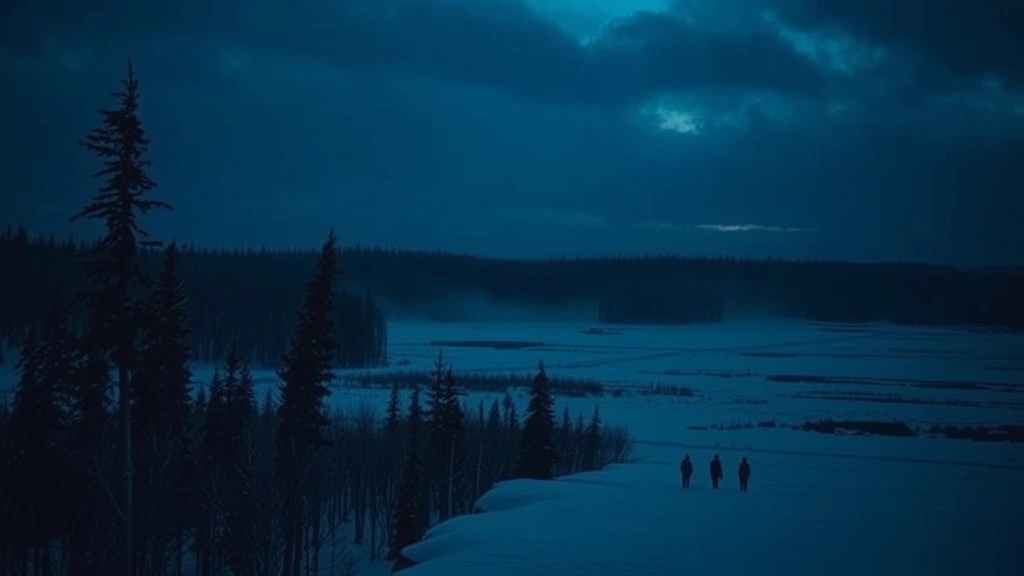
Director Jalmari Helander’s visual approach deserves particular praise for its atmospheric composition and deliberate use of Finnish landscape as both setting and character. The cinematography by Mika Orasmaa captures the sparse, isolating beauty of Lapland—endless snow, dark forests, and vast emptiness that amplify feelings of vulnerability and dread. The film’s visual language communicates psychological unease through environmental storytelling, using negative space and compositional isolation to emphasize characters’ precariousness against overwhelming natural forces.
Helander employs practical effects and minimal CGI, creating creature designs that feel tangible and genuinely disturbing rather than digitally artificial. The Santa creatures themselves represent a fascinating design achievement—ancient, withered, and profoundly wrong in ways that subvert every childhood association with holiday imagery. The visual contrast between the commercialized, sanitized Santa of modern culture and the horrifying reality presented in the film becomes increasingly powerful as the narrative progresses. This commitment to practical effects contributes significantly to the film’s lasting impact, as audiences recognize they’re watching genuine creature effects rather than computer-generated imagery.
The cinematography also excels at establishing mood through lighting choices—the perpetual twilight of Arctic winter creates an environment where darkness feels omnipresent and threatening. Helander uses this natural lighting condition to establish a dreamlike quality, blurring lines between reality and nightmare. The film’s color palette emphasizes whites, grays, and deep blues, creating visual monotony that somehow intensifies rather than diminishes viewer engagement.
The Horror Elements
Rare Exports functions as legitimate horror cinema, employing multiple strategies to generate sustained dread and visceral scares. The film avoids jump-scare reliance, instead building tension through accumulation—strange details noticed, unexplained phenomena mounting, and the gradual realization that something genuinely catastrophic is unfolding. This methodical approach to horror construction demonstrates sophisticated filmmaking understanding, prioritizing psychological unease over momentary startlement.
The creature itself represents a genuinely original monster concept—neither zombie, vampire, nor standard creature-feature antagonist, but something entirely distinctive within contemporary horror cinema. The film explores the creature’s motivations and behavior patterns, revealing it to be less mindless monster and more ancient being operating according to its own logic and needs. This complexity prevents the horror from becoming one-dimensional; audiences recognize the creature as a genuine threat while simultaneously understanding its perspective and reasoning.
Body horror elements emerge as the narrative progresses, with the film not shying away from disturbing imagery that will unsettle sensitive viewers. Helander balances these unsettling moments with narrative purpose, ensuring graphic content serves thematic exploration rather than gratuitous exploitation. The horror ultimately becomes inseparable from the film’s commentary on childhood innocence and the violent disruption of safety and comfort—what horror theorists recognize as deeply resonant thematic territory.
Comedy and Tone Balance
Perhaps Rare Exports’ greatest achievement involves its tonal sophistication—the film seamlessly integrates dark comedy, genuine horror, family drama, and social commentary without allowing any single element to overwhelm the others. This tonal balance could easily fail in less capable hands, resulting in tonal whiplash or confused genre identity. Instead, Helander demonstrates masterful control, understanding that horror and comedy operate from similar psychological foundations, both relying on subverted expectations and uncomfortable recognition.
The comedy emerges organically from situation and character rather than forced jokes—the absurdity of ancient Santa creatures being processed like industrial goods, the bureaucratic confusion surrounding impossible events, and the deadpan reactions of practical-minded characters confronting supernatural reality all generate humor that enhances rather than undermines the horror. This approach aligns with what scholars identify as Scandinavian dark comedy tradition, where humor serves as coping mechanism and philosophical tool rather than entertainment commodity.
The film’s humor never punches down at its characters or their circumstances; instead, it invites audiences to recognize the cosmic absurdity of the situation alongside the characters. This creates complicity between viewer and film, establishing a collaborative relationship where audiences appreciate the filmmaker’s intelligence and wit. When considering best movie review sites, critics consistently emphasize Rare Exports’ tonal achievement as distinguishing it from conventional holiday entertainment.
Character Development
Despite its genre classification, Rare Exports demonstrates genuine interest in character development and emotional authenticity. Pietari emerges as a protagonist audiences genuinely invest in—intelligent, observant, and morally centered without becoming sanctimonious or unrealistically perfect. His relationship with his father Raimo provides emotional core, exploring themes of parental responsibility, generational disconnect, and the economic pressures that strain family bonds.
Raimo’s character arc proves particularly affecting—a man struggling with economic failure, estrangement from his son, and the dissolution of traditional livelihoods in modern economy. His journey from dismissive skepticism about Pietari’s Santa theories to protective father willing to confront genuine danger demonstrates character growth that feels earned and meaningful. The film invests in this relationship because it understands that horror operates most effectively when audiences care about character survival and emotional outcomes.
Supporting characters, though less developed than the central family dynamic, contribute meaningfully to the film’s worldbuilding and thematic exploration. The American mining executive represents capitalist exploitation; the local authorities embody institutional inadequacy; various townspeople reflect community responses to disruption. This character ecosystem creates a lived-in world where events matter beyond individual perspective.
Cultural Significance
Rare Exports occupies a fascinating position within contemporary cinema—simultaneously a niche cult film with limited mainstream recognition and a genuinely important work that influenced subsequent holiday horror cinema and independent filmmaking approaches. The film demonstrated that original concepts, committed artistic vision, and willingness to challenge genre expectations could find audiences and critical appreciation, even without major studio backing or mainstream marketing.
The film’s exploration of holiday mythology deconstruction has become increasingly relevant as contemporary media continuously interrogates and reimagines beloved cultural traditions. Rare Exports predated this trend, arriving at a moment when such revisionism seemed genuinely transgressive. The film’s influence appears evident in subsequent works that similarly challenge comfortable cultural assumptions through genre frameworks.
From a Finnish cinema perspective, Rare Exports represents international breakthrough success, demonstrating that Scandinavian filmmakers could create distinctive voices recognized beyond regional boundaries. The film’s success on festival circuits and among international critics helped establish Jalmari Helander’s reputation as a significant contemporary director whose work merits serious consideration. This achievement matters within broader conversations about cinema globalization and how distinctive national perspectives enrich international film culture.
According to Pew Research Center studies on digital content consumption, films with distinctive cultural perspectives increasingly find audiences through streaming platforms and social media discovery mechanisms, demonstrating how Rare Exports’ cult status reflects broader patterns in contemporary media consumption.
Streaming Availability
Rare Exports has achieved wider accessibility in recent years through expanded streaming distribution, though availability varies by region and platform. The film occasionally appears on Best Movies on Netflix depending on licensing agreements and regional catalogs, though consistent availability cannot be guaranteed. Checking your specific streaming service’s current catalog remains necessary, as licensing agreements shift regularly.
For those unable to locate the film through major streaming platforms, it remains available through physical media purchases on Blu-ray and DVD, which offer superior audio-visual quality compared to compressed streaming. Several specialty streaming services focused on horror and independent cinema maintain regular access to Rare Exports, making dedicated film streaming platforms viable options for viewers seeking the film.
The film’s theatrical availability through specialty cinemas and film festivals occasionally resurfaces, particularly during holiday seasons or horror-focused programming blocks. These theatrical experiences offer optimal viewing conditions for appreciating Helander’s cinematography and sound design. Checking local cinema schedules and festival programming during late autumn and winter months may reveal theatrical screening opportunities.
For comprehensive information about available streaming options and rental services, 123Movies and alternative streaming guides provide updated information about legitimate viewing platforms, though always verify current licensing through official sources before accessing content.
FAQ
Is Rare Exports appropriate for children?
Rare Exports is decidedly not children’s entertainment despite its holiday setting and young protagonist. The film contains disturbing imagery, violence, and genuinely frightening content designed for adult audiences. Parental discretion is strongly advised; the film’s thematic exploration of childhood innocence disruption makes it particularly unsuitable for younger viewers who might find the Santa mythology deconstruction traumatic rather than intellectually engaging.
How does Rare Exports compare to other holiday horror films?
Rare Exports operates on a different level than most holiday horror cinema—it’s less interested in slasher mechanics or jump-scare formulas than in exploring deeper thematic territory. While films like Krampus also deconstruct holiday mythology, Rare Exports maintains greater commitment to character development and emotional authenticity, creating investment that extends beyond genre mechanics.
What makes Rare Exports unique within horror cinema?
The film’s originality stems from multiple factors: distinctive cultural perspective grounded in Finnish folklore, tonal sophistication balancing horror with dark comedy and family drama, practical effects commitment, and thematic ambition exploring commercialism, childhood, and tradition disruption. These elements combine to create something genuinely distinctive within contemporary horror landscape.
Does Rare Exports have a sequel?
Rare Exports remains a standalone film without direct sequel, though Jalmari Helander continued exploring similar thematic and tonal territory in subsequent directorial projects. The film’s conclusion provides narrative closure while leaving thematic resonance that lingers beyond viewing experience.
What aspects of Rare Exports make it worth watching?
Rare Exports merits viewing for its artistic ambition, distinctive cultural perspective, genuine originality, character-driven narrative, sophisticated tonal balance, and willingness to challenge audience expectations. The film represents filmmaking that respects viewer intelligence while delivering entertainment value, making it valuable both as genre work and as cinema exploring meaningful thematic territory. For those seeking Movies HD quality viewing experiences, Rare Exports deserves high-quality presentation to fully appreciate its cinematographic achievement.
How does the film’s ending function thematically?
The conclusion provides genuine closure while leaving ambiguity about larger implications—the immediate threat concludes, but the film suggests deeper questions about tradition, mythology, and cultural transmission remain unresolved. This approach respects audience intelligence, avoiding neat resolution while providing satisfying narrative conclusion.