Top Wedding Movies: Expert Picks for Your List
Wedding movies have captivated audiences for decades, offering a perfect blend of romance, humor, drama, and heartwarming moments that resonate across generations. Whether you’re planning your own wedding, celebrating an anniversary, or simply seeking feel-good entertainment, wedding movies provide an escape into stories about love, commitment, and the beautiful chaos of bringing two families together. These films have evolved significantly over time, reflecting changing attitudes toward marriage, relationships, and what it means to say “I do” in modern society.
The appeal of wedding cinema extends beyond the ceremony itself. These narratives explore the emotional journeys leading up to the big day, the unexpected complications that arise, and the deeper connections between characters that transcend the event. From classic romantic comedies to contemporary dramas, the best wedding movies capture universal truths about love and human connection while entertaining audiences with memorable characters and quotable dialogue. This guide explores the most compelling wedding movies worth watching, analyzing what makes them special and why they continue to resonate with viewers worldwide.
Classic Wedding Films That Defined the Genre
The foundation of wedding cinema rests upon timeless classics that established many conventions we see today. “Four Weddings and a Funeral” (1994) revolutionized the wedding movie landscape by blending romance with genuine comedy and emotional depth. Hugh Grant’s stammering charm and the ensemble cast created a template for romantic comedies that studios would follow for years. The film’s success demonstrated that audiences craved stories where weddings served as anchors for exploring friendship, love, and life’s unpredictability.
“My Best Friend’s Wedding” (1997) further solidified Julia Roberts’ status as the queen of romantic comedies while exploring the complexity of love and friendship. The film presents a more nuanced approach to wedding narratives, questioning whether childhood crushes and conventional romance always lead to happiness. Similarly, “Father of the Bride” (1991) and its sequel brought warmth and humor to the wedding planning experience, focusing on the father-daughter relationship while chronicling the chaos of coordinating a major life event.
“Bridesmaids” (2011) marked a turning point in wedding cinema by centering female friendship and featuring a more irreverent, honest portrayal of wedding culture. The film’s success, earning critical acclaim and significant box office revenue, proved that wedding movies could push boundaries and appeal to broader audiences beyond traditional romance enthusiasts. These foundational works established that memorable movie quotes often emerge from wedding scenes, creating cultural touchstones that extend beyond the films themselves.
Romantic Comedies with Wedding Themes
Romantic comedies have consistently used weddings as pivotal narrative devices, either as the climactic destination or as the setting where unexpected love blooms. “27 Dresses” (2008) delivers a charming story about a serial bridesmaid finally prioritizing her own happiness, combining wedding chaos with genuine romantic tension. The film explores themes of self-sacrifice and recognizing one’s worth, wrapped in the accessible format of wedding comedy.
“The Wedding Singer” (1998) takes a nostalgic approach, set in the 1980s with Adam Sandler as a wedding performer who finds love while helping others celebrate theirs. The film’s soundtrack, aesthetic choices, and genuine chemistry between leads create an entertaining experience that transcends typical romantic comedy formulas. “Bride Wars” (2009) capitalizes on the competitive nature of wedding planning, pitting two best friends against each other as they prepare simultaneous ceremonies at the same venue.
“Mamma Mia!” (2008) and “Mamma Mia! Here We Go Again” (2018) incorporate wedding elements into a larger narrative about family, identity, and self-discovery. These films demonstrate how wedding movies can expand beyond traditional romance to include musical elements, ensemble casts, and multigenerational storytelling. The franchise’s success with streaming audiences indicates enduring appeal for wedding-adjacent content that prioritizes fun and spectacle.
“Crazy, Stupid, Love” (2011) cleverly weaves multiple love stories around the central conceit of a marriage in crisis, exploring whether the wedding was the beginning or the ending of the real story. The film’s ensemble approach and witty dialogue created numerous memorable moments that professional reviewers consistently highlighted when evaluating romantic comedies of the 2010s.
Contemporary Wedding Dramas
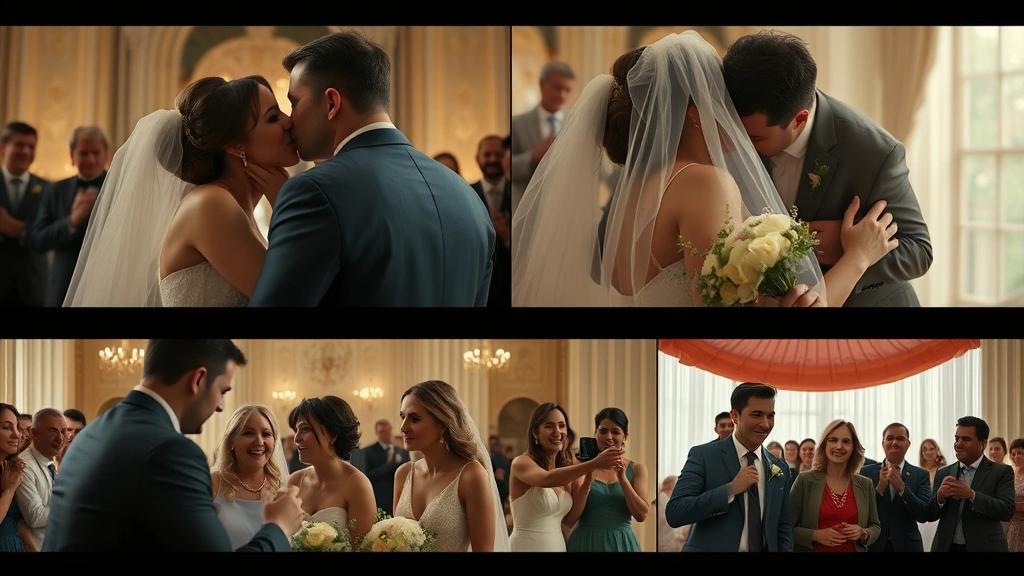
Modern wedding cinema has increasingly explored the dramatic potential of these narratives, moving beyond pure comedy toward more complex emotional terrain. “Moonlight” (2016), while not exclusively a wedding film, culminates in a wedding-adjacent reunion that represents the emotional climax of the protagonist’s journey. The film demonstrates how contemporary cinema uses wedding elements to explore identity, love, and human connection in nuanced ways.
“Tick, Tick… Boom!” (2021) features a wedding sequence that serves as a poignant reminder of life’s brevity and the importance of celebrating human connection. The film’s exploration of artistic ambition, mortality, and relationships resonates with audiences seeking deeper emotional engagement from cinema. Similarly, “The Big Sick” (2017) centers on a wedding that becomes a flashpoint for exploring cultural differences, family expectations, and the complexity of cross-cultural relationships.
“Muriel’s Wedding” (1994) presents a darker, more psychologically complex approach to wedding narratives. The Australian film explores obsession, self-worth, and the danger of defining happiness through marital status. It challenges the notion that weddings represent universal happiness, instead depicting how societal pressure and personal insecurity can distort our relationship to major life events.
“Rachel Getting Married” (2008) uses a wedding weekend as the framework for exploring family trauma, addiction recovery, and forgiveness. The film’s documentary-style aesthetic and improvisational performances create an uncomfortable intimacy that reflects real family dynamics. Anne Hathaway’s performance demonstrates the dramatic potential of wedding narratives when filmmakers prioritize emotional authenticity over conventional sentiment.
International Wedding Cinema
Wedding movies transcend cultural boundaries, with filmmakers worldwide exploring how marriage ceremonies and romantic relationships function within their specific cultural contexts. Indian cinema has produced numerous wedding-focused films that celebrate elaborate ceremonies while exploring contemporary relationship dynamics. “Monsoon Wedding” (2001) uses a Delhi wedding as the setting for a multigenerational family drama that incorporates music, dance, and complex emotional narratives.
Japanese cinema offers contemplative approaches to wedding narratives, often using ceremonies as moments to reflect on life’s transience and the complexity of human relationships. “Shall We Dance?” (2004) incorporates wedding elements while exploring passion, commitment, and the courage required to pursue unconventional love. South Korean cinema has produced successful wedding-themed films that blend romance with social commentary and visual spectacle.
British and European films approach weddings with varying degrees of cynicism and romanticism. “Love Actually” (2003), while an ensemble piece, weaves multiple love stories and includes significant wedding sequences that serve as emotional anchors. The film’s international setting and diverse characters reflect how wedding narratives function across different cultural contexts within Western cinema.
“Bend It Like Beckham” (2002) uses a wedding as a narrative device to explore cultural identity, family expectations, and personal agency. The film demonstrates how contemporary streaming services increasingly feature diverse wedding narratives that reflect global perspectives on love and commitment. International wedding cinema enriches the genre by presenting alternative viewpoints on what weddings mean and how they function within different social structures.
Hidden Gems and Underrated Wedding Movies
Beyond the mainstream blockbusters, numerous exceptional wedding movies deserve recognition for their creativity, emotional depth, and unique perspectives. “The Philadelphia Story” (1940) remains one of cinema’s greatest romantic comedies, using a wedding weekend to explore class differences, personal growth, and the true nature of compatibility. Cary Grant, Katharine Hepburn, and James Stewart create a sophisticated romantic triangle that elevates the entire genre.
“In Good Company” (2004) incorporates wedding elements while exploring workplace relationships and generational differences. The film presents a mature perspective on love and romance, suggesting that meaningful connections can emerge unexpectedly and that age differences matter less than genuine compatibility. “Definitely, Maybe” (2008) uses a wedding as the framing device for a romantic mystery, where a father tells his daughter the story of how he met her mother through a series of past relationships.
“Enchanted” (2007) cleverly deconstructs wedding movie tropes by inserting a fairy tale princess into contemporary New York. The film celebrates traditional romance while gently mocking its conventions, creating a meta-commentary on wedding cinema itself. “The Runaway Bride” (1999) explores commitment anxiety and self-discovery through the lens of a woman who repeatedly abandons grooms at the altar.
“I Hate Valentine’s Day” (2009) and “Valentine’s Day” (2010) take different approaches to romance-focused ensemble narratives. “Love and Other Drugs” (2010) incorporates wedding elements while centering on deeper questions about commitment, illness, and whether love can overcome life’s practical challenges. These hidden gems demonstrate that wedding movie discussions extend beyond mainstream picks to encompass diverse narratives and perspectives.
Where to Stream Wedding Movies
Wedding movies are widely available across multiple streaming platforms, making them accessible to audiences worldwide. Netflix frequently rotates wedding-themed content, offering both classic films and contemporary releases. The platform’s algorithm often recommends wedding movies during engagement seasons and holidays, making them easy to discover.
Amazon Prime Video maintains an extensive library of wedding movies across different genres and eras. The platform’s “rent or buy” model ensures that even older or less popular films remain accessible. Disney+ features family-friendly wedding narratives and musical wedding films that appeal to multigenerational audiences. Hulu complements these offerings with romantic comedies and contemporary dramas.
Specialty streaming services focused on romance and relationships increasingly curate wedding movie collections, recognizing the genre’s dedicated audience. Alternative viewing platforms and movie databases provide comprehensive information about where specific films are currently available, helping viewers locate their preferred wedding movies. Availability varies by region and changes frequently, so checking current streaming catalogs before planning viewing sessions is essential.
Physical media remains an option for collectors seeking permanent access to favorite wedding movies. Blu-ray and DVD releases often include bonus features, behind-the-scenes content, and director commentary that enhance the viewing experience. High-definition movie resources help viewers understand technical aspects of film quality and format choices.
FAQ
What makes a wedding movie successful?
Successful wedding movies balance romantic elements with genuine character development and emotional authenticity. The best films use weddings as narrative anchors while exploring deeper themes about love, commitment, family, and personal growth. Strong performances, witty dialogue, and visual storytelling elevate the genre beyond simple romance.
Are wedding movies only for people planning weddings?
Wedding movies appeal to diverse audiences beyond engaged couples. Fans of romantic comedies, character-driven dramas, and ensemble films find value in wedding narratives. These movies explore universal human experiences, making them relevant to anyone interested in relationships, family dynamics, and life transitions.
What’s the difference between wedding movies and romantic comedies?
Wedding movies specifically center on marriage ceremonies or wedding planning as central plot elements, while romantic comedies focus on romantic relationships without necessarily featuring weddings. However, overlap exists, with many films functioning as both wedding movies and romantic comedies simultaneously.
Which wedding movie should I watch first?
Starting with “Four Weddings and a Funeral” or “Bridesmaids” provides excellent introductions to the genre. These films combine humor, romance, and emotional depth while establishing conventions that other wedding movies build upon. Your choice depends on whether you prefer romantic or comedic emphasis.
Are there wedding movies for different age groups?
Yes, the genre encompasses family-friendly options like “Enchanted” and “Mamma Mia!” alongside mature dramas like “Rachel Getting Married.” Romantic comedies appeal to adults, while animated or musical wedding films engage younger viewers. Selecting appropriate films depends on audience age and content preferences.
How have wedding movies changed over time?
Contemporary wedding cinema increasingly explores diverse perspectives, cultural contexts, and non-traditional relationships. Modern films challenge conventional wedding narratives, incorporating social commentary and psychological complexity. Production values, cinematography, and storytelling techniques have evolved significantly while maintaining the genre’s emotional core.