Farmingdale Movie Theater Revival: Local Insights and Community Impact
The Farmingdale movie theater scene represents a fascinating case study in how local entertainment venues are adapting to survive in an era of streaming dominance and changing consumer habits. Once a cornerstone of suburban entertainment, traditional cinemas have faced unprecedented challenges over the past decade, yet Farmingdale’s theatrical landscape tells a story of resilience, community engagement, and strategic reinvention. This revival isn’t merely about preserving nostalgia—it’s about understanding how modern audiences still crave the immersive, communal experience that only a movie theater can provide.
Nestled in Long Island’s heart, Farmingdale has witnessed significant shifts in how residents consume entertainment. The local movie theater ecosystem has evolved from simple screening venues into multifaceted entertainment destinations offering premium experiences, special events, and community-focused programming. Local business leaders, theater operators, and film enthusiasts have collaborated to ensure that Farmingdale remains a vibrant destination for cinema-goers of all ages, proving that theatrical exhibition remains viable when operators innovate thoughtfully.
The Decline and Renaissance of Theatrical Exhibition
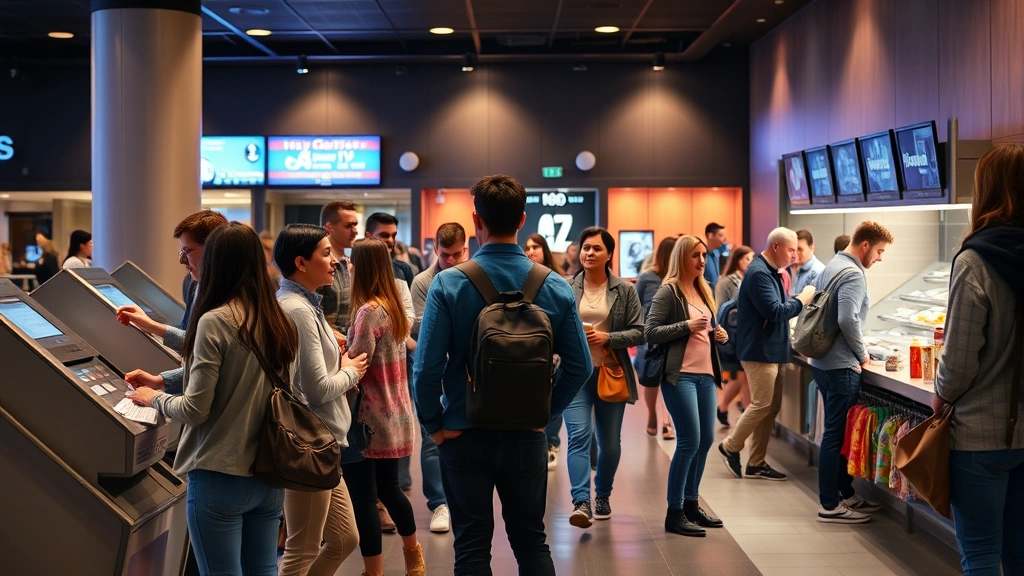
The American movie theater industry experienced a seismic shift beginning in the early 2010s. Streaming platforms fundamentally altered consumption patterns, with Pew Research Center data demonstrating that digital viewing options cannibalized traditional theatrical attendance. Box office revenues fluctuated dramatically, and numerous regional cinema chains shuttered locations across suburban markets. However, recent industry analysis reveals a counterintuitive trend: audiences increasingly value theatrical experiences precisely because they’ve become less ubiquitous.
The theatrical exhibition sector has undergone what industry analysts describe as a “quality over quantity” transformation. Rather than competing on sheer volume, successful theaters now emphasize experiential differentiation. Premium formats like IMAX, Dolby Cinema, and specialized sound systems command premium ticket prices. Hollywood Reporter coverage of theatrical trends documents how venues offering distinctive experiences significantly outperform traditional multiplex competitors. This shift has created opportunities for theaters in communities like Farmingdale to position themselves as entertainment destinations rather than commodity screening rooms.
Farmingdale’s theater revival exemplifies this broader renaissance. Local operators recognized that survival required strategic differentiation. By investing in facility upgrades, curating diverse programming, and fostering community connections, Farmingdale theaters have transformed their value proposition. The venue now attracts audiences seeking genuine theatrical experiences—something that cannot be replicated on home screens regardless of technological advancement.
Farmingdale’s Theater Landscape: Then and Now
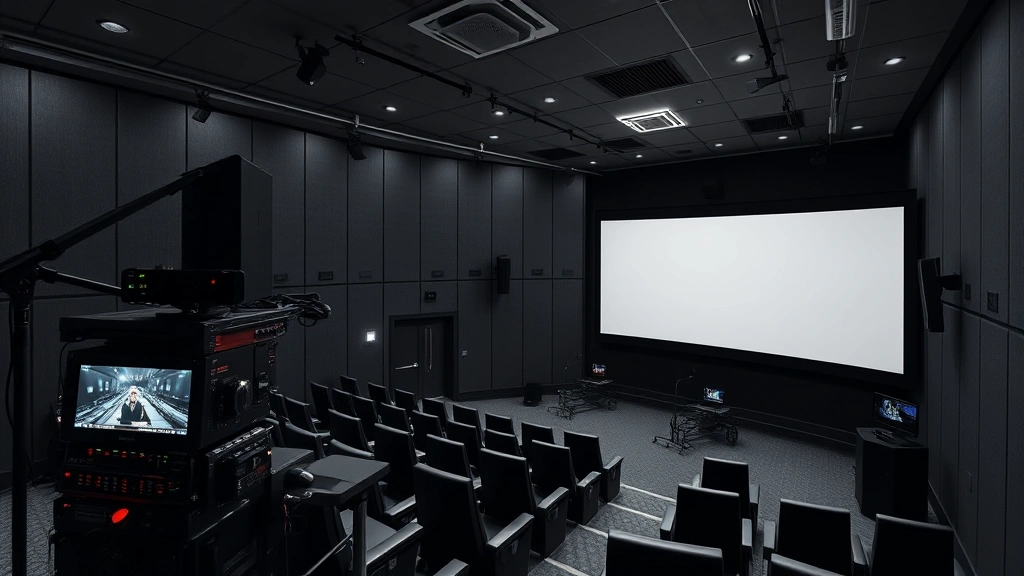
Historically, Farmingdale’s movie theater served as a traditional suburban multiplex—a functional venue where families caught mainstream releases during weekend outings. The experience was straightforward: purchase tickets, grab concessions, watch the film. Competition from home entertainment systems, VOD platforms, and eventually streaming services eroded this basic model’s viability. Attendance declined steadily, forcing theaters to reconsider their operational strategies and market positioning.
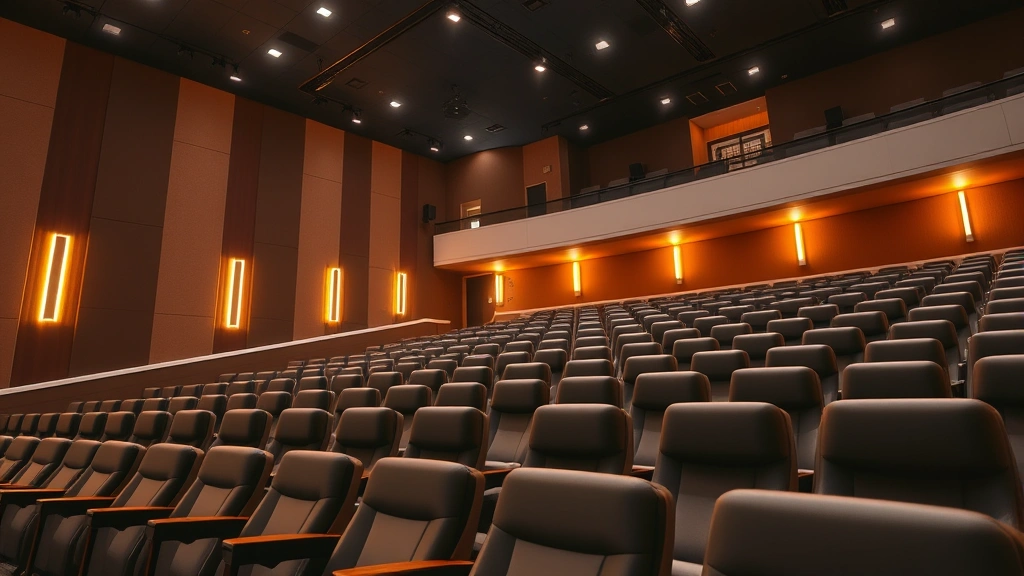
Contemporary Farmingdale theater operators have embraced comprehensive modernization. This includes architectural updates to screening rooms, installation of state-of-the-art projection and sound systems, and renovation of lobby spaces to create inviting social environments. The updated facilities now feature premium seating options including recliners, enhanced lighting, and improved climate control. These upgrades directly address audience complaints about comfort—a primary factor deterring theatrical attendance according to recent consumer research.
The transformation extends beyond physical infrastructure. Programming strategy has become more sophisticated, incorporating diverse content offerings beyond mainstream blockbusters. Farmingdale theaters now screen independent films, international cinema, documentary features, and classic films—content that appeals to cinephiles and specialized audiences. This programming diversity attracts multiple demographic segments, maximizing attendance across different showtimes and seasons.
Community engagement represents another crucial distinction between the old and new Farmingdale theater model. Contemporary operators recognize that successful venues function as social anchors within their communities. Theater management actively cultivates relationships with local schools, civic organizations, and cultural institutions. This positioning transforms the theater from a mere commercial establishment into a valued community asset.
Premium Experiences Driving Attendance
Premium format screens represent the most significant attendance driver for modern theatrical venues. Farmingdale theaters have invested substantially in IMAX technology, which provides immersive visual and audio experiences impossible to replicate at home. The technical specifications of IMAX projection—larger screen formats, specialized lenses, and advanced sound systems—create a qualitatively different cinematic experience. Films specifically shot or formatted for IMAX generate disproportionate box office returns, with audiences willing to pay premium prices for these enhanced presentations.
Dolby Cinema represents another premium format gaining traction in Farmingdale. This technology combines enhanced projection brightness, expanded color gamut, and superior contrast ratios. The visual improvements are immediately apparent to discerning audiences, particularly for visually sophisticated films. Theater operators report that premium format screens consistently outperform standard screens for comparable film releases, validating the investment in technological upgrades.
Reclining seats and premium seating configurations have become industry standards in successful theaters. Farmingdale venues have prioritized comfortable seating as a competitive advantage. Modern theater recliners feature heated seats, adjustable positioning, and optimal spacing—creating living-room-level comfort in theatrical settings. This amenity particularly appeals to adult audiences and couples seeking date-night experiences, expanding the demographic reach beyond traditional family audiences.
Specialized screening experiences have emerged as innovative revenue generators. Farmingdale theaters host midnight premieres, early-access screenings, and exclusive events for highly anticipated releases. These experiences create social currency and word-of-mouth marketing while commanding premium pricing. Audiences perceive additional value in event-based screenings beyond standard theatrical exhibition, justifying higher ticket prices.
Community Programming and Special Events
The most successful Farmingdale theater revival initiatives emphasize community programming that extends beyond commercial film distribution. Theater management has recognized that venues can serve educational and cultural functions while generating revenue. This philosophy has led to diverse programming initiatives including film festivals, educational screenings, and community-focused events.
Local film festivals have become signature programming for Farmingdale theaters. These events celebrate independent filmmaking, showcase regional talent, and attract cinema enthusiasts from surrounding communities. Festival programming generates sustained attendance across multiple evenings while positioning the venue as a cultural institution. Promotional opportunities extend into local media, schools, and civic organizations, increasing brand visibility and community goodwill.
Educational partnerships with Farmingdale schools create programming opportunities while building future audiences. Theater operators have developed curriculum-aligned screening programs for student groups, hosted film literacy workshops, and offered special pricing for educational institutions. These initiatives build brand loyalty among younger demographics while demonstrating community commitment.
Specialty programming includes classic film revivals, which appeal to cinephiles and nostalgic audiences. Farmingdale theaters regularly screen restored prints of cinema classics—films that benefit tremendously from theatrical presentation. Classic film audiences tend to be loyal, predictable, and engaged, providing stable revenue streams during traditionally slow periods. This programming demonstrates that theatrical venues offer something fundamentally different from streaming platforms: curated experiences and communal viewing.
Live event broadcasting represents an emerging revenue opportunity for Farmingdale theaters. Screening live performances from opera, ballet, theater, and concert venues attracts audiences interested in performing arts but unable to access live performances directly. This programming diversifies revenue beyond traditional film distribution while positioning the theater as a cultural hub.
Technology Integration and Modernization
Contemporary theater technology extends far beyond projection and sound systems. Farmingdale venues have implemented sophisticated digital infrastructure enhancing customer experience and operational efficiency. Mobile ticketing systems reduce friction in the purchasing process, allowing audiences to reserve seats online and arrive minutes before screenings. This convenience factor appeals particularly to busy professionals and families managing complex schedules.
Enhanced concession experiences represent another modernization priority. Beyond traditional popcorn and candy, Farmingdale theaters now offer premium snack options, artisanal beverages, and alcohol service. These expanded concession menus increase per-capita spending while appealing to adult audiences seeking sophisticated entertainment experiences. Quality concession offerings have become competitive differentiators in the theater industry.
Digital signage and interactive displays within theater lobbies create engaging environments that encourage extended visits. Rather than viewing theaters as purely functional screening spaces, modern venues cultivate inviting social environments. This design philosophy extends dwell time and increases concession spending as audiences arrive early and linger after screenings.
Data analytics and customer relationship management systems enable Farmingdale theaters to personalize marketing and optimize programming decisions. Theaters track attendance patterns, demographic information, and individual preferences, allowing targeted promotional campaigns and data-informed programming choices. This analytical approach contrasts sharply with traditional theater operations based on intuition and broad-based marketing.
Virtual reality and augmented reality technologies represent emerging opportunities for theatrical venues. Some forward-thinking theaters have experimented with VR experiences and interactive installations, positioning cinemas as technology-forward entertainment destinations. While mainstream adoption remains limited, these innovations suggest theaters’ continued evolution beyond traditional film screening.
Local Business Partnerships and Economic Impact
The Farmingdale movie theater revival has generated significant economic benefits extending beyond theater operations. Theater visitors patronize adjacent restaurants, retail establishments, and other local businesses, creating what economists term “anchor tenant” benefits. Successful theaters drive foot traffic that elevates commercial districts and increases revenue for surrounding establishments.
Business partnerships between theaters and local enterprises have become increasingly sophisticated. Farmingdale theaters have developed cross-promotional relationships with nearby restaurants, offering package deals combining dining and cinema experiences. These partnerships enhance value propositions for customers while distributing marketing costs across multiple businesses. Local restaurants benefit from predictable customer flows on movie nights, while theaters benefit from enhanced dining options that extend pre-movie social experiences.
Employment represents another significant economic contribution. Theater operations require diverse staff including projection technicians, concession personnel, customer service representatives, and management professionals. These positions provide entry-level employment opportunities for local residents while supporting families through stable, full-time positions. Theater management has prioritized employee development and competitive compensation, recognizing that service quality directly correlates with staff engagement and experience.
Real estate values surrounding successful theater venues typically appreciate as commercial districts strengthen. Landlords and property owners benefit from increased foot traffic and commercial activity. This value creation extends throughout local commercial corridors, generating property tax revenue for municipal governments and creating investment opportunities.
Tourism impact represents an underestimated economic benefit of prominent local theaters. Visiting relatives and tourists often seek entertainment options in unfamiliar communities. Farmingdale’s revitalized theater serves this demographic, generating incremental spending within the local economy. Theater-based entertainment contributes to community identity and attractiveness, factors that influence relocation decisions and visitor spending.
Challenges and Future Outlook
Despite the Farmingdale theater revival’s success, significant challenges persist. Streaming platforms continue expanding content libraries and investing in original programming, directly competing for audience attention and subscription dollars. Services like Netflix, Disney+, and Amazon Prime Video have demonstrated capacity to produce theatrical-quality content accessible from home. This fundamental competitive dynamic will persist regardless of individual theater improvements.
Film studio strategies directly impact theater viability. Shortened theatrical windows—the period between theatrical release and streaming availability—reduce the window for theatrical exclusivity. Some studios have adopted simultaneous theatrical and streaming releases, particularly for non-tentpole films. These decisions, driven by financial incentives and pandemic-era adaptations, fundamentally alter the theatrical exhibition economics that Farmingdale and similar venues depend upon.
Ticket price inflation presents another challenge. As theaters pursue premium experiences and premium pricing, price sensitivity among mainstream audiences increases. Research on Variety indicates that ticket price increases outpace inflation and wage growth, potentially constraining attendance growth. Farmingdale theaters must balance revenue maximization through premium pricing with volume concerns related to price elasticity.
Content availability remains volatile. Theatrical releases depend upon film studio production and distribution decisions influenced by numerous factors including international markets, production costs, and pandemic-related disruptions. Periods of limited theatrical content directly impact attendance and revenue, creating unpredictable operating environments.
The future of Farmingdale’s theater revival depends upon several factors. Sustained investment in facility improvements and technology upgrades remains essential to competitive positioning. Programming diversity and community engagement initiatives must continue evolving to maintain audience interest and loyalty. Strategic partnerships with local businesses, schools, and cultural institutions should deepen, reinforcing the theater’s role as community anchor.
Emerging technologies including advanced projection systems, immersive audio formats, and interactive experiences will likely differentiate successful theaters from declining venues. Farmingdale operators must remain attentive to technological innovations while evaluating return on investment for emerging technologies. The goal remains creating experiences that justify theatrical attendance in an era of convenient home entertainment alternatives.
Demographic trends also influence future prospects. Younger audiences, particularly Gen Z, demonstrate different entertainment consumption patterns than previous generations. Building loyalty among younger demographics requires programming, pricing, and experience strategies specifically designed for these audiences. family-oriented programming and quality film offerings help attract diverse age groups to theaters.
The Farmingdale theater revival ultimately reflects broader shifts in entertainment consumption and community values. As audiences increasingly seek authentic, curated experiences and meaningful social connections, theatrical venues offering these elements remain viable. Success requires continuous innovation, community responsiveness, and commitment to experiences that transcend what home entertainment can provide. The revival also demonstrates that quality entertainment experiences remain culturally important, even in digital-first eras.
Looking forward, Farmingdale’s theater will likely continue evolving as a hybrid entertainment venue combining traditional film screening with live events, cultural programming, and community engagement. This diversified model provides resilience against individual revenue stream fluctuations while maximizing facility utilization. The venue’s success will ultimately depend upon management’s capacity to anticipate audience preferences, invest strategically in differentiation, and maintain the community relationships that distinguish successful local theaters from purely commercial operations.
FAQ
What makes Farmingdale’s movie theater revival successful?
The revival succeeds through premium facility upgrades, diverse programming beyond blockbusters, community engagement initiatives, and strategic partnerships with local businesses. Theater management has transformed the venue from a functional screening room into a cultural and entertainment destination.
How do premium formats like IMAX and Dolby Cinema impact attendance?
Premium formats generate disproportionate attendance and revenue compared to standard screens. Audiences willingly pay premium prices for superior visual and audio experiences, making these technologies essential investments for competitive theaters.
What role does community programming play in theater sustainability?
Community programming creates loyal audiences, generates predictable revenue streams during traditionally slow periods, and positions theaters as valued community institutions. Film festivals, educational partnerships, and specialty programming extend the venue’s cultural significance beyond commercial film distribution.
How do streaming platforms affect Farmingdale’s theater operations?
Streaming competition remains significant, particularly regarding theatrical window lengths and simultaneous release strategies. However, theaters survive by offering experiences and community value that streaming cannot replicate, emphasizing immersive experiences and social engagement.
What technological innovations are shaping future theater experiences?
Advanced projection systems, immersive audio technologies, mobile ticketing, data analytics, and emerging technologies like virtual reality represent innovations reshaping theatrical experiences. Successful theaters selectively adopt innovations that enhance customer value and operational efficiency.
How do local theaters contribute to community economic development?
Theaters generate foot traffic for surrounding businesses, create employment opportunities, increase property values, and attract tourists. These anchor tenant benefits extend economic impact throughout local commercial districts.
What content strategies help Farmingdale theaters attract diverse audiences?
Programming diversity including blockbusters, independent films, international cinema, classic films, and live event broadcasts appeals to varied demographic segments. Curated programming demonstrates that theaters offer something fundamentally different from streaming platforms.


