
Top Navy SEAL Movies: Expert Picks and Analysis
Navy SEAL films represent one of cinema’s most compelling subgenres, blending visceral action sequences with complex narratives about military duty, sacrifice, and human resilience. These movies have captivated audiences worldwide by offering an intimate look at one of America’s most elite military units, combining authentic tactical expertise with compelling storytelling that resonates far beyond the action-film demographic.
The appeal of Navy SEAL movies extends beyond simple entertainment. These films explore profound themes of brotherhood, honor, psychological trauma, and the moral complexities of modern warfare. From gritty realistic portrayals to high-octane blockbusters, the genre has evolved significantly over the past three decades, reflecting changing attitudes toward military narratives and audience expectations for authenticity in combat cinema.
Whether you’re a military history enthusiast, action-film devotee, or someone interested in understanding the human dimension of special operations, this comprehensive guide examines the most impactful Navy SEAL films ever made, analyzing what makes them resonate with critics and audiences alike.
The Evolution of Navy SEAL Cinema
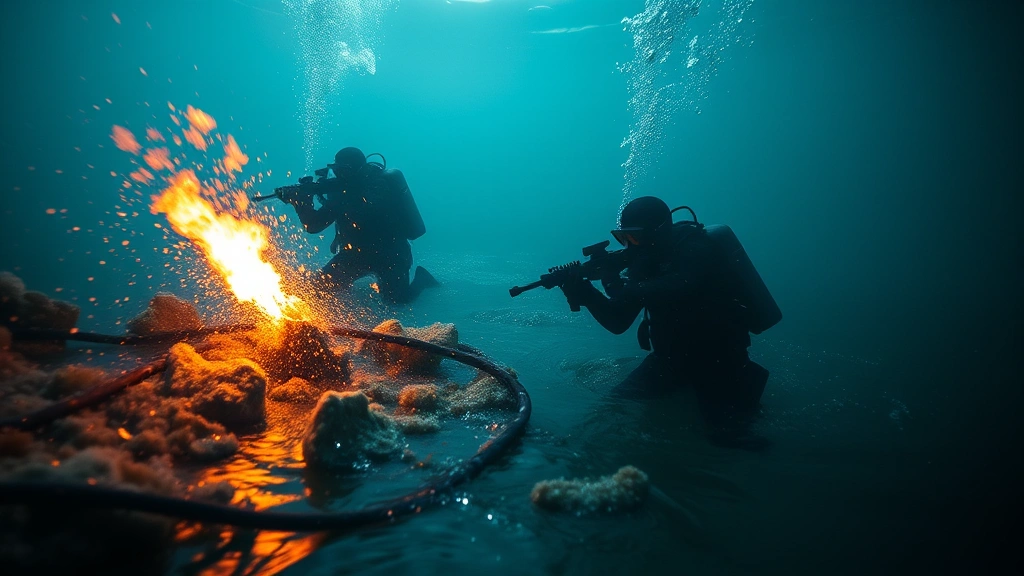
The portrayal of Navy SEALs in Hollywood has undergone remarkable transformation since the 1980s. Early films focused primarily on action spectacle and heroic mythology, often prioritizing entertainment value over tactical accuracy. However, as audiences became more sophisticated and military consultants gained greater influence over film production, the genre shifted toward more nuanced and authentic representations of special operations warfare.
According to Pew Research Center studies on media consumption, military-themed films consistently rank among the highest-grossing and most-watched genres globally, with particular interest in authentic depictions of real military units. This demand for authenticity has fundamentally reshaped how filmmakers approach Navy SEAL narratives, incorporating genuine military advisors, realistic equipment, and accurate tactical procedures into their productions.
The evolution reflects broader cultural shifts in how America processes military narratives. Where 1980s films celebrated uncomplicated heroism, contemporary Navy SEAL movies grapple with PTSD, moral ambiguity, civilian casualties, and the psychological toll of combat. This maturation of the genre mirrors changing public discourse about military intervention and the human costs of warfare.
Classic SEAL Films That Defined the Genre
Top Gun (1986) remains culturally iconic, though it focuses on Navy pilots rather than SEALs. However, its influence on military cinema cannot be overstated, establishing the template for depicting elite military units with style and swagger while maintaining technical credibility.
Navy SEALs (1990) stands as the definitive early entry in the genre. Directed by Lewis Teague and starring Charlie Sheen, this film provided audiences with their first comprehensive look at SEAL training, operations, and team dynamics. Despite some over-the-top action sequences, the film successfully captured the brotherhood and intensity that define SEAL culture. The movie’s influence extended beyond entertainment—it significantly impacted military recruitment, with many recruits citing it as inspiration for pursuing SEAL training.
G.I. Jane (1997), while technically about Naval Special Warfare rather than exclusively SEALs, broke ground by exploring the intersection of military excellence and gender dynamics. Demi Moore’s portrayal of the first woman attempting SEAL training sparked significant cultural conversation about military integration and the physical and psychological demands of special operations selection.
These foundational films established visual language and narrative conventions that subsequent Navy SEAL movies would either embrace or deliberately subvert. They created audience expectations about what SEAL cinema should deliver: authentic military detail, intense action, psychological complexity, and exploration of team cohesion under extreme pressure.
Modern Masterpieces and Tactical Realism
Zero Dark Thirty (2012) represents a watershed moment in military cinema. Director Kathryn Bigelow’s controversial yet acclaimed film depicts the decade-long hunt for Osama bin Laden, culminating in the Operation Neptune Spear raid by SEAL Team Six. The film’s commitment to tactical authenticity—including the famous 40-minute raid sequence shot with documentary-like precision—revolutionized how audiences and filmmakers understood real special operations.
The raid sequence in Zero Dark Thirty became a reference point for tactical accuracy in action cinema. Working with military consultants and studying actual SEAL operational procedures, Bigelow crafted sequences that prioritize realistic movement, communication, and problem-solving over Hollywood spectacle. This approach influenced subsequent military films to incorporate similar levels of authentic detail.
Act of Valor (2012) took an even more radical approach by casting active-duty Navy SEALs in lead roles alongside professional actors. This decision sacrificed traditional acting polish for unprecedented authenticity. The film’s depiction of SEAL operations, equipment, and tactical procedures reflects real-world practices with remarkable fidelity. While the acting performances received mixed reviews, the film’s commitment to authenticity resonated powerfully with military audiences and SEAL community members.
Lone Survivor (2013), based on Marcus Luttrell’s memoir, presents Operation Red Wings with visceral intensity. Director Peter Berg’s approach emphasizes the brutal physical and emotional toll of combat, depicting the ambush and subsequent survival ordeal with unflinching detail. The film explores themes of brotherhood, sacrifice, and the impossible choices soldiers face in combat zones.
These modern films share a philosophical approach: they recognize that authentic military procedure is inherently dramatic. Rather than imposing fictional narrative conventions onto real military operations, they allow the genuine complexity and intensity of SEAL work to drive the storytelling. This approach to contemporary cinema reflects broader industry recognition that audiences crave authenticity.
The SEALs (2021) and SEAL Team (the television series that began in 2017) represent ongoing evolution in how networks and studios depict special operations. These properties balance procedural elements with character development, exploring both the technical aspects of SEAL operations and the personal relationships that sustain operators through repeated deployments.
Psychological Depth in Military Drama
Contemporary Navy SEAL films increasingly prioritize psychological realism alongside tactical authenticity. American Sniper (2014), while focused on a sniper rather than a SEAL team, exemplifies this trend. Clint Eastwood’s film explores Chris Kyle’s extraordinary combat record while examining the psychological consequences of repeated deployments and the difficulty of reintegration into civilian life.
This psychological dimension addresses a critical aspect of military service that earlier films largely ignored: moral injury and post-traumatic stress. By depicting operators grappling with the psychological consequences of their work, modern films acknowledge that military service involves emotional and psychological costs alongside physical risks.
The Hurt Locker (2008), while centered on Army bomb disposal rather than Navy SEALs, profoundly influenced how military films approach psychological complexity. The film’s exploration of combat addiction—the way some soldiers become psychologically dependent on the intensity and clarity of combat—opened narrative possibilities for subsequent military films, including Navy SEAL productions.
These psychological explorations serve important cultural functions. They validate the experiences of veterans struggling with readjustment, reduce stigma around mental health in military contexts, and help civilian audiences understand the profound psychological dimensions of military service. Films like Lone Survivor and Zero Dark Thirty incorporate these psychological elements naturally into their narratives rather than treating them as separate concerns.
The shift toward psychological depth also reflects evolving understanding within military communities themselves. Modern SEAL culture increasingly emphasizes mental resilience and psychological preparation alongside physical conditioning. Films that authentically depict this psychological dimension resonate more powerfully with SEAL communities and veterans generally.
Documentary Approaches to SEAL Stories
Beyond narrative films, documentary cinema has provided compelling perspectives on Navy SEAL operations and culture. The Last Patrol (2014) offers an intimate documentary portrait of Navy SEALs, moving beyond action sequences to explore the human dimensions of special operations life. These documentary approaches often provide greater insight into actual SEAL culture and operational realities than narrative films can achieve.
Documentary films benefit from direct access to SEAL community members, allowing filmmakers to capture genuine perspectives and authentic voices. This contrasts with narrative films, where actors necessarily interpret SEAL experiences through dramatic convention. Documentary approaches also allow for longer-form exploration of complex themes that might feel rushed in two-hour narrative structures.
The rise of documentary SEAL content reflects broader streaming platform investments in military-focused programming. Platforms like Netflix and Amazon Prime have commissioned numerous SEAL-related documentaries and limited series, recognizing sustained audience interest in authentic military narratives. This investment has created opportunities for more varied storytelling approaches beyond traditional theatrical releases.
Streaming platforms have fundamentally altered the landscape for military storytelling, allowing for longer-form narratives, episodic exploration of complex themes, and hybrid approaches that blend documentary elements with dramatization. This expansion of available formats has enriched the overall ecosystem of Navy SEAL-focused media.
How Hollywood Depicts Special Operations Training
Navy SEAL training sequences have become iconic cinema moments, with several films dedicating substantial runtime to depicting BUD/S (Basic Underwater Demolition/SEAL) selection and training. These sequences serve multiple functions: they introduce audiences to the extreme physical and psychological demands of SEAL preparation, establish character through performance under stress, and provide visceral action content.
Navy SEALs (1990) includes extended training sequences that established visual conventions for depicting SEAL preparation. Subsequent films have refined these depictions, incorporating more accurate details about actual BUD/S curriculum while maintaining dramatic pacing and visual interest.
G.I. Jane devoted significant attention to training sequences, using them to explore both the physical demands and the social dynamics of military selection. The film’s commitment to showing genuine physical challenges—rather than glossing over difficulty—created powerful dramatic moments while educating audiences about what SEAL preparation actually entails.
More recent films have increasingly incorporated military technical advisors to ensure training sequences reflect current BUD/S curriculum and standards. This commitment to accuracy serves multiple purposes: it honors the genuine difficulty of SEAL training, provides authentic details that enhance credibility, and respects the SEAL community by depicting their preparation realistically rather than sensationalizing it.
Training sequences also function narratively as crucibles where characters reveal their true nature under extreme pressure. These scenes explore questions about human resilience, mental fortitude, and the relationship between physical capability and psychological strength. The best Navy SEAL films use training sequences not merely as action content but as thematic explorations of what it means to push human limits.
The Impact of SEAL Films on Military Recruitment
Navy SEAL films significantly influence military recruitment, with documented correlations between major SEAL film releases and subsequent increases in SEAL recruitment inquiries. The Department of Defense recognizes this phenomenon and sometimes collaborates with filmmakers specifically to enhance recruitment effectiveness.
Research from RAND Corporation studies on military recruitment indicates that entertainment media substantially influences enlistment decisions, particularly among younger audiences. Navy SEAL films occupy a particularly prominent position in this media landscape, as they depict elite military units in ways that appeal to high-achieving, risk-oriented individuals who comprise the target recruitment demographic.
The relationship between SEAL films and recruitment raises interesting questions about media responsibility and the ethics of military entertainment. While films need not serve recruitment functions, the reality is that compelling SEAL narratives inevitably influence recruitment outcomes. Some filmmakers deliberately collaborate with military institutions to optimize this effect, while others maintain artistic independence and treat recruitment influence as an incidental consequence.
This recruitment impact extends beyond initial enlistment decisions. SEAL films also influence how the broader public perceives special operations forces, shaping cultural narratives about military service and elite military units. Positive, authentic depictions enhance military prestige and public support, while sensationalized or inaccurate portrayals can distort public understanding of actual military capabilities and limitations.
The most responsible approach involves filmmakers working with military consultants to ensure accuracy while maintaining artistic integrity. This collaboration benefits everyone: audiences receive more authentic and compelling narratives, the military community sees their experiences depicted respectfully and accurately, and the broader culture develops more nuanced understanding of military service and special operations.
Looking forward, continued evolution in Navy SEAL cinema will likely emphasize even greater psychological complexity, diversity in storytelling perspectives, and integration of technology that reflects current special operations capabilities. As audiences become increasingly sophisticated about military narratives, films that combine technical authenticity with genuine emotional depth will continue to define the genre’s most impactful contributions to cinema.
The enduring appeal of Navy SEAL films reflects something fundamental about human fascination with excellence, sacrifice, and the pursuit of extraordinary capability. These films allow audiences to imaginatively inhabit spaces of intense challenge and consequence, experiencing vicariously the psychological and physical demands that shape special operations warriors. As long as audiences remain drawn to these themes, Navy SEAL cinema will continue evolving and captivating viewers worldwide.
For those interested in exploring related film analysis, consider examining best movies based on books, as many acclaimed SEAL films adapt memoirs and non-fiction accounts. Additionally, studying how to become a film critic provides frameworks for analyzing military cinema more deeply. The best movie quotes often emerge from these intense military dramas, offering insights into character psychology and thematic concerns.
FAQ
What is the most accurate Navy SEAL movie?
Zero Dark Thirty and Act of Valor are consistently cited as the most tactically accurate SEAL films. Zero Dark Thirty’s raid sequence reflects actual SEAL operational procedures with remarkable fidelity, while Act of Valor’s casting of active-duty SEALs ensured unprecedented authenticity in portraying SEAL capabilities and procedures.
Are Navy SEAL movies based on true events?
Many acclaimed Navy SEAL films are based on true events or real memoirs. Lone Survivor adapts Marcus Luttrell’s memoir about Operation Red Wings, while Zero Dark Thirty depicts the actual decade-long hunt for Osama bin Laden. However, narrative adaptations necessarily involve dramatization and creative interpretation.
Did the Navy cooperate with filmmakers on these movies?
The Navy has cooperated with filmmakers to varying degrees. Act of Valor involved direct Navy collaboration and active-duty SEAL participation. Zero Dark Thirty benefited from military consultants but faced controversy over its depiction of interrogation practices. Navy SEALs (1990) included Navy technical advisors to ensure procedural accuracy.
How do Navy SEAL training movies compare to actual BUD/S training?
While film training sequences capture the intensity and physical demands of BUD/S, actual training is considerably longer and more psychologically complex than cinema can depict. Films typically compress training narratives into dramatic sequences, necessarily omitting much of the repetitive, grinding difficulty that characterizes real SEAL preparation.
What makes a good Navy SEAL movie?
The most compelling Navy SEAL films combine tactical authenticity with genuine emotional depth, explore psychological dimensions of military service, develop compelling characters beyond action sequences, and respect the SEAL community by depicting their experiences with accuracy and dignity. The strongest examples balance entertainment value with substantive exploration of military themes.
Are there any Navy SEAL movies told from non-American perspectives?
Most major Navy SEAL films center American perspectives, though some international productions have explored special operations forces from other nations’ perspectives. The dominance of American SEAL narratives reflects both Hollywood’s production capacity and the particular global prominence of U.S. Navy SEALs.


