Why Streaming Dominates: Film Industry Insights
The film industry has undergone a seismic transformation over the past decade, fundamentally reshaping how audiences consume content and how studios distribute their productions. What began as a convenient alternative to traditional cinema has evolved into the dominant force in entertainment, commanding unprecedented market share, audience attention, and creative talent. The shift from theatrical releases to streaming platforms represents more than a technological upgrade—it’s a complete restructuring of the entertainment ecosystem that continues to accelerate.
Today’s landscape bears little resemblance to the 2010s when Netflix was still primarily known as a DVD rental service. Streaming now accounts for the majority of video content consumption in developed markets, with platforms like Netflix, Disney+, Amazon Prime Video, and emerging competitors fundamentally altering production budgets, release strategies, and audience expectations. Understanding why streaming has achieved this dominance requires examining the convergence of technological innovation, consumer behavior shifts, economic pressures, and strategic industry decisions that have collectively reshaped entertainment.
The Economics of Streaming vs. Traditional Theater
The financial fundamentals driving streaming’s dominance begin with a simple economic reality: the profit margins for streaming platforms far exceed those of theatrical distribution in most scenarios. When a major studio releases a film in theaters, it must navigate a complex ecosystem involving theater chains, exhibitor agreements, marketing costs, and revenue sharing arrangements that typically leave studios with 50-55% of box office receipts after theater cuts. Streaming eliminates these intermediaries entirely.
A subscription-based model provides predictable, recurring revenue that investors value highly. Unlike theatrical releases where success is measured in opening weekend performance and box office totals—metrics subject to unpredictable market fluctuations—streaming platforms can measure success through subscriber acquisition, retention rates, and engagement metrics that demonstrate long-term value. This fundamental difference in business structure has made streaming financially attractive to both content creators and investors seeking stability in volatile entertainment markets.
Consider the pandemic’s impact as a turning point: when theaters closed globally in 2020, streaming platforms experienced explosive growth while theatrical releases faced indefinite delays. Major studios like Disney, Warner Bros., and Universal responded by accelerating their streaming investments and releasing blockbuster films directly to platforms, a decision that would have been unthinkable five years earlier. The financial success of these direct-to-streaming releases proved that audiences would embrace high-quality, expensive productions without theatrical exclusivity windows. This realization fundamentally shifted investment priorities across the industry.
Production economics also favor streaming in specific ways. While streaming originals often maintain theatrical-quality budgets, they don’t require the massive marketing expenditures necessary to drive theatrical attendance. A streaming platform can promote content through its own interface, email marketing, and targeted digital advertising at a fraction of the cost required to market a theatrical release. This efficiency translates directly to profitability, making streaming an increasingly attractive investment for studios managing tight margins.
Technological Infrastructure and Accessibility
The technological revolution underlying streaming’s dominance cannot be overstated. High-speed internet infrastructure, improved video compression algorithms, and ubiquitous smart device adoption have collectively removed the friction that once made theatrical attendance the default entertainment option. Where streaming once required desktop computers and temperamental internet connections, today’s consumers can access thousands of films on smartphones, tablets, smart TVs, and laptops with minimal buffering or quality degradation.
Content delivery networks (CDNs) have evolved to distribute video efficiently across global infrastructure, enabling simultaneous worldwide releases that theatrical distribution simply cannot match. When a major film releases on a streaming platform, it’s available instantaneously to subscribers across dozens of countries, eliminating the staggered theatrical release schedules that once spanned months. This global simultaneity accelerates audience engagement and prevents piracy by immediately satisfying demand.
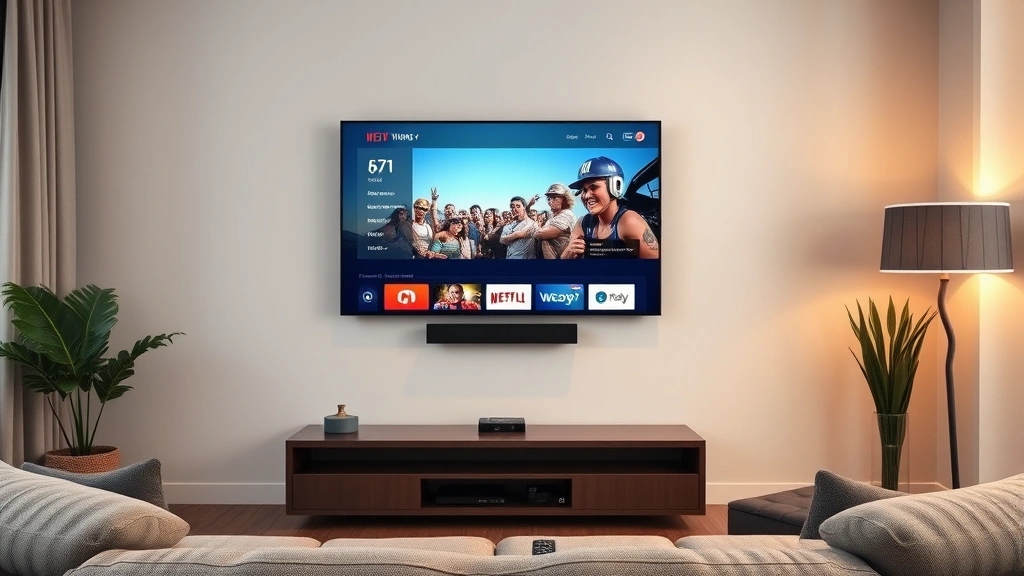
The proliferation of smart home devices has transformed the living room into a sophisticated entertainment center. Modern televisions with built-in streaming apps, voice-controlled devices, and seamless integration across multiple platforms have made streaming the path of least resistance for entertainment consumption. Parents can queue up content for children, couples can browse together, and individuals can discover personalized recommendations without leaving their homes. This convenience factor cannot be understated in explaining streaming’s ascendancy.
Adaptive bitrate streaming technology automatically adjusts video quality based on available bandwidth, ensuring smooth playback across varied internet conditions. This technical advancement eliminated one of streaming’s primary pain points—buffering and quality issues that frustrated early adopters. When streaming works seamlessly across devices and network conditions, it becomes a genuinely superior experience to the logistical challenges of theatrical attendance: finding babysitters, purchasing tickets, traveling to theaters, and enduring inflated concession prices.
Content Strategy and Original Programming
Streaming platforms have fundamentally altered content strategy by investing billions into original programming that competes directly with traditional studio output. Netflix alone spends over $17 billion annually on content, rivaling or exceeding the production budgets of traditional studios. This investment has attracted top-tier creative talent—renowned directors, screenwriters, and actors—who might have previously considered streaming beneath their artistic standards.
The platform’s willingness to greenlight diverse, experimental, and niche content has expanded the creative landscape beyond what traditional theatrical distribution could support. Not every film needs to appeal to mass audiences to succeed on streaming; a well-crafted documentary, international thriller, or specialized drama can find its audience among millions of subscribers without requiring theatrical profitability. This democratization of content creation has enriched the overall entertainment ecosystem while providing platforms with differentiated libraries that attract and retain subscribers.
When exploring best movies based on books, you’ll notice a significant portion now premiere on streaming platforms rather than in theaters. Literary adaptations, which require substantial production investment and attract dedicated fan bases, have become streaming staples. Platforms recognize that passionate audiences for specific intellectual property will subscribe to access exclusive adaptations, making these projects financially viable outside theatrical constraints.
Binge-release strategies—where entire seasons of series or complete film franchises release simultaneously—have created cultural moments around streaming content that rival theatrical releases. This approach leverages social media virality and water-cooler conversations to drive engagement, creating marketing momentum that traditional theatrical releases struggle to replicate. The phenomenon of entire populations completing series simultaneously generates discussion patterns that traditional episodic television never achieved.
Exploring fantasy movies reveals how streaming has become the primary vehicle for fantasy content, from high-budget adaptations to original creations. Platforms invest heavily in fantasy because the genre supports serialization, merchandising, and international appeal. This represents a strategic content shift away from theatrical dependency toward platforms that can monetize fan engagement across multiple revenue streams.
Audience Behavior Transformation
Understanding why streaming dominates requires examining fundamental shifts in how audiences prefer to consume entertainment. Generational differences have become pronounced: younger audiences who grew up with on-demand content show minimal attachment to theatrical experiences, viewing cinema as one entertainment option among many rather than the primary venue for film consumption. This demographic shift will only accelerate as younger cohorts age into their peak entertainment-spending years.
The pandemic permanently altered consumer behavior in ways that benefit streaming. Audiences who experienced high-quality entertainment at home during lockdowns discovered that theatrical attendance wasn’t necessary for satisfying film experiences. Even as theaters reopened, many consumers maintained reduced theater attendance, having established streaming as their default entertainment channel. This behavioral inertia represents perhaps streaming’s most significant competitive advantage—it’s now the expected norm rather than a secondary option.
Subscription fatigue, while occasionally discussed, hasn’t significantly slowed streaming adoption because the value proposition remains compelling. Consumers pay $10-20 monthly for access to thousands of titles, a per-film cost that dramatically undercuts theatrical attendance at $15-20 per ticket. This price advantage, combined with convenience and content variety, makes streaming economically rational for budget-conscious consumers.
Time scarcity has become a defining feature of modern life, and streaming addresses this pressure by eliminating the time investment required for theatrical attendance. No travel time, no waiting in lines, no advance ticket purchasing—just immediate access to entertainment on personal schedules. For time-constrained professionals and parents, streaming’s flexibility represents a decisive advantage over theatrical rigidity.
Social viewing patterns have evolved to accommodate streaming’s distributed nature. Shared passwords, watch parties, and simultaneous viewing across geographies have replaced the traditional model where social viewing required physical co-location. This adaptation has actually expanded streaming’s social functionality beyond what traditional theaters offered, creating new forms of shared entertainment experiences.
The Theatrical Experience Under Pressure
Despite streaming’s dominance, theatrical cinema persists and will likely continue as a niche experience for specific content categories. However, the theatrical industry faces structural challenges that streaming has exacerbated. Theater attendance in developed markets has declined significantly, with younger demographics particularly underrepresented in theatrical audiences. When theaters operate below capacity during non-peak times, their economic model deteriorates, forcing closures and consolidation.
The theatrical release window—traditionally a 45-90 day exclusivity period before streaming availability—has contracted dramatically. Studios increasingly reduce windows to 30 days or release simultaneously across theatrical and streaming platforms, recognizing that theatrical revenue alone cannot justify production investments. This compression of theatrical windows accelerates the shift toward streaming by reducing the importance of theatrical performance to overall success metrics.
Premium format experiences like IMAX and Dolby Cinema have become theaters’ primary competitive advantages, commanding ticket price premiums that offset declining attendance volumes. However, these premium experiences represent a fraction of theatrical inventory, leaving standard auditoriums struggling to justify their operational costs. This bifurcation suggests a future where theatrical experiences become luxury offerings rather than mainstream entertainment delivery mechanisms.
For those interested in how to produce a short film, the theatrical release pathway has become increasingly difficult to navigate. Streaming platforms have become the primary venue for short film distribution, making theatrical exhibition a luxury rather than a standard achievement. This represents a fundamental shift in how emerging filmmakers conceptualize their work and distribution strategies.
Concession economics, which historically subsidized theater operations, have faced pressure as streaming eliminates the captive audience that justified inflated pricing. Theaters are experimenting with alternative revenue models—dining experiences, special events, gaming installations—to diversify income beyond traditional film exhibition, indicating recognition that theatrical cinema alone cannot sustain the business.
Global Expansion and Market Penetration
Streaming’s dominance reflects its particular effectiveness in global markets where theatrical infrastructure remains underdeveloped or economically unviable. In rural areas, developing nations, and regions with limited cinema chains, streaming provides direct access to entertainment that theatrical distribution cannot feasibly serve. This geographic advantage has allowed platforms to achieve global reach impossible for theatrical distributors managing complex international release schedules and exhibitor relationships.
Cultural localization strategies give streaming platforms competitive advantages in international markets. Netflix, Amazon, and other platforms invest in local-language originals, regional content preferences, and culturally-specific marketing that theatrical distributors struggle to match. This localization extends beyond subtitles to genuine investment in regional film industries, creating content ecosystems that serve local audiences while building global scale.
International audiences accessing top historical movies through streaming platforms experience simultaneous global release and culturally-adapted content that theatrical distribution never achieved. Platforms can subtitle and dub content into dozens of languages instantaneously, making international films accessible to global audiences in ways theatrical distribution fundamentally cannot.
The elimination of theatrical distribution complexity—negotiating with local exhibitors, managing currency exchange, handling physical film prints—makes streaming economically viable in markets where theatrical distribution proves impractical. This economic efficiency has enabled platforms to achieve penetration in developing markets decades faster than theatrical infrastructure could manage, creating entrenched user bases that will prove difficult for future competitors to displace.
Future Trajectory and Industry Evolution
Streaming’s dominance appears structural rather than cyclical, suggesting that theatrical exhibition will occupy an increasingly specialized niche rather than regaining mainstream status. Industry analysts project continued streaming growth despite market saturation, as platforms expand into adjacent markets, raise subscription prices, and develop new monetization models like advertising-supported tiers and premium add-ons.
The future likely involves consolidation among streaming platforms, with weaker services merging or disappearing while market leaders strengthen their positions. This consolidation will reduce consumer choice but increase platform stability and investment capacity, potentially accelerating content quality improvements and technological innovation. Major studios will likely maintain streaming services as core business units rather than experimental divisions, cementing streaming’s centrality to entertainment economics.
Technological developments like improved compression algorithms, 8K streaming, and immersive audio formats will continuously enhance streaming’s competitive position against theatrical experiences. As home entertainment technology approaches theatrical quality at consumer price points, streaming’s advantages will multiply, making theatrical attendance increasingly difficult to justify for mainstream audiences.
Visit the ScreenVibeDaily Blog for ongoing analysis of streaming industry trends and entertainment evolution. Comprehensive best movie review sites have adapted to streaming’s dominance, with critics increasingly reviewing streaming originals alongside theatrical releases, reflecting the medium’s mainstream status.
The industry will likely develop hybrid models where theatrical releases and streaming availability coexist strategically, with theatrical reserved for tentpole blockbusters requiring premium experiences while mid-budget and specialized content flows directly to streaming. This segmentation already exists informally; formalization through explicit studio strategy will accelerate the process.
International markets will see accelerated streaming adoption as infrastructure improves and platforms invest in regional content. This geographic expansion represents streaming’s most significant growth opportunity, as developed markets approach saturation while emerging markets offer substantial untapped audiences hungry for entertainment at accessible price points.
FAQ
Why do streaming platforms invest so heavily in original content?
Original content differentiates platforms in saturated markets, justifies subscription costs, and builds exclusive audiences that competitors cannot replicate. Originals also generate marketing value through cultural conversations and award recognition that licensed content cannot match.
Will theatrical cinema completely disappear?
Theatrical exhibition will likely persist as a premium, specialized experience for tentpole blockbusters and immersive formats, similar to how vinyl records maintained niche audiences despite digital dominance. However, theatrical will no longer serve as the primary film distribution mechanism.
How do streaming platforms determine success differently than studios?
Streaming measures success through subscriber metrics, retention rates, and engagement rather than box office totals. This allows platforms to value content that builds long-term audience loyalty differently than theatrical studios that prioritize opening weekend performance.
Can new streaming competitors successfully enter the market?
Market entry becomes increasingly difficult as established platforms achieve scale advantages, content libraries, and subscriber bases that create network effects. Future competition likely emerges from tech giants with existing distribution advantages rather than dedicated streaming startups.
How has streaming affected filmmakers and production crews?
Streaming has created substantial employment opportunities in original content production, though it has also reduced theatrical distribution opportunities for mid-budget films and specialty releases. The shift has fundamentally altered career paths and project viability calculations throughout the industry.