Horror Movies: Are Theaters Still Relevant? Insights into the Theatrical Experience
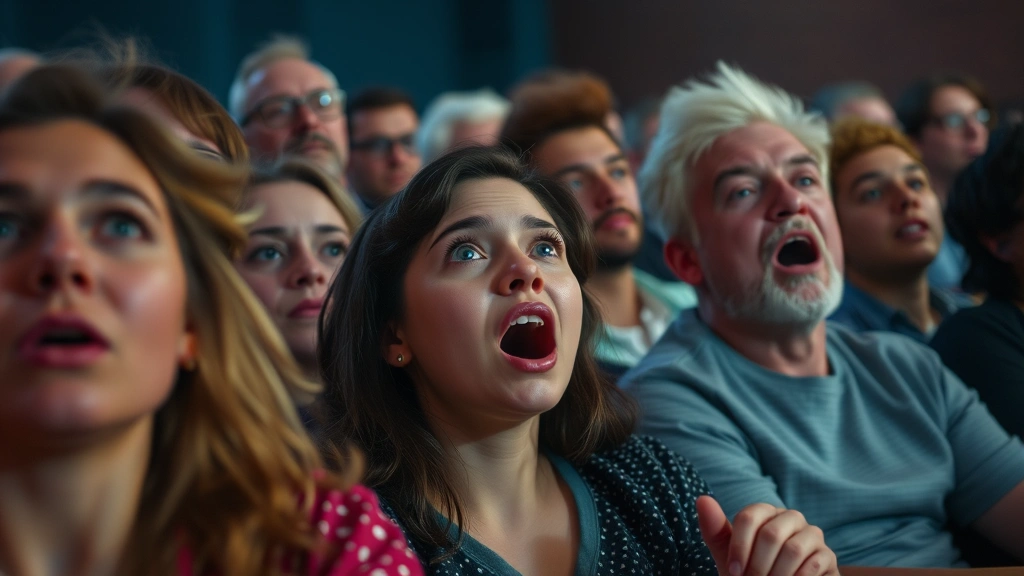
The theatrical experience has long been the cornerstone of horror cinema. From the piercing screams in darkened auditoriums to the collective gasps of audiences experiencing terror together, movie theaters have traditionally been the ultimate venue for horror films. Yet the landscape is shifting dramatically. Streaming services now offer immediate access to premium horror content, and home theater technology rivals what many multiplexes provide. This raises an urgent question: do horror movies still need theaters to thrive, or has the industry fundamentally changed?
The answer is more nuanced than a simple yes or no. While theatrical releases remain culturally significant and financially vital for major horror productions, the genre has adapted to a hybrid distribution model that accommodates both traditional cinema and direct-to-streaming releases. Understanding this evolution requires examining box office trends, audience behavior, technological advancements, and the unique psychological elements that make horror uniquely suited to both theatrical and home viewing experiences.
The Theatrical Horror Renaissance
Despite predictions of theatrical decline, horror movies have experienced a remarkable resurgence in cinemas over the past decade. Films like A Quiet Place, Hereditary, Get Out, and Midsommar have proven that audiences still crave the theatrical experience for horror content. These films didn’t just perform well—they became cultural phenomena, generating sustained conversation and repeat viewings. The genre’s theatrical relevance stems partly from horror’s unique capacity to generate word-of-mouth marketing and social media engagement.
The success of recent horror films reveals important industry truths. Horror maintains lower production budgets compared to superhero blockbusters, yet consistently delivers impressive return-on-investment ratios. A mid-budget horror film shot for $3-5 million can easily gross $50-100 million worldwide, making the genre exceptionally profitable. This economic reality ensures that studios continue investing in theatrical horror releases, particularly during peak seasons like October and around holiday periods.
Independent horror films have also found theatrical pathways through festival circuits and specialty distributors. Movies like Skinamarink, Barbarian, and X demonstrated that audiences will venture to theaters for innovative, filmmaker-driven horror content. These successes suggest that theatrical relevance depends less on massive budgets and more on creative authenticity and audience connection. When you’re looking to understand modern film criticism, exploring how to become a film critic can provide valuable perspectives on evaluating theatrical versus streaming releases.
Streaming Wars and Direct-to-Platform Releases
The streaming revolution fundamentally altered horror distribution strategies. Netflix, Amazon Prime Video, Hulu, and specialized platforms like Shudder have invested heavily in horror content, often bypassing theatrical releases entirely. This shift accelerated during the pandemic but reflects longer-term industry trends. Platforms discovered that horror content drives subscriber acquisition and retention, particularly among younger demographics who grew up with streaming as their primary entertainment medium.
Direct-to-streaming horror releases have yielded surprising successes. Netflix’s Bird Box, Fear Street trilogy, and His House generated massive viewership numbers and cultural impact comparable to theatrical releases. Amazon’s The Vast of Night and various Shudder exclusives attracted devoted audiences. This success complicates the narrative about theatrical necessity—audiences clearly engage with horror content on streaming platforms with remarkable enthusiasm.
However, streaming releases operate under different economic metrics than theatrical films. While a horror film needs $50 million in theatrical revenue to justify its budget, streaming films are evaluated on subscriber engagement, platform retention, and marketing value. These different success criteria mean streaming and theatrical horror serve different business purposes. For comprehensive insights into modern film recommendations and analysis, check out the best movie review sites guide which covers how critics evaluate content across platforms.
The release strategy question has become more sophisticated. Studios now consider theatrical releases as premium positioning for major horror properties, using them to generate cultural prestige and maximizing revenue through multiple windows before platform distribution. Mid-tier horror films increasingly debut directly on streaming, while mega-budget horror spectacles maintain theatrical primacy.
The Psychology of Communal Viewing
Horror’s psychological appeal fundamentally ties to shared experience. The genre thrives on collective emotional responses—screaming, jumping, and nervous laughter create bonding experiences among audiences. Neuroscience research demonstrates that experiencing fear in groups produces stronger emotional memories than solitary viewing. This neurological reality gives theatrical horror distinct advantages that streaming cannot fully replicate.
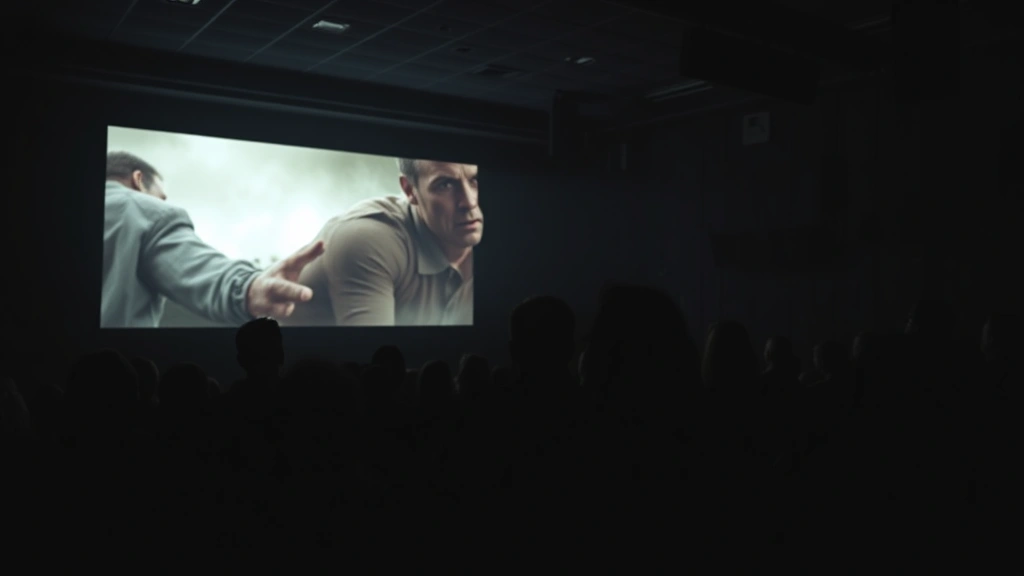
The theater environment amplifies horror’s psychological mechanisms. Darkness, large screens, powerful sound systems, and physical proximity to strangers create psychological conditions optimized for fear responses. A jump scare on a massive screen with theater-quality audio produces different neurological reactions than the same scene on a television. Sound design particularly matters—horror films often rely on frequency ranges and volume dynamics that home systems struggle to reproduce authentically.
However, this advantage isn’t absolute. Home viewing offers psychological benefits too. Familiar environments provide comfort that reduces anxiety for sensitive viewers, allowing them to engage with horror content they might avoid in theaters. Pause functionality lets viewers control pacing and manage fear responses. These advantages explain why some audiences prefer streaming horror, particularly younger viewers and those with anxiety sensitivities.
The communal aspect extends beyond psychology into social media dynamics. Theatrical releases create concentrated viewing windows where audiences discuss films simultaneously, generating trending discussions and memes. Streaming releases distribute viewership across weeks or months, fragmenting the conversation. For horror films that depend on word-of-mouth and social media virality, this temporal concentration matters significantly. Understanding how audiences consume and discuss content relates directly to current entertainment media trends.
Box Office Performance and Industry Data
Recent box office data reveals nuanced patterns about horror’s theatrical viability. According to Pew Research Center entertainment studies, horror consistently ranks among the highest-grossing genres relative to production budgets. The Horror Writers Association reports that theatrical horror releases have maintained stable market share despite streaming competition, with horror representing approximately 10-12% of annual theatrical revenue.
Specific performance metrics illuminate the theatrical advantage for certain horror properties. Franchise horror films—particularly Saw, Insidious, and The Ring sequels—demonstrate strong theatrical legs, with opening weekends frequently exceeding $20 million despite franchise fatigue. Original horror concepts show more variable performance, with successful films like A Quiet Place Part II grossing $300+ million globally, while mid-tier originals often underperform theatrical expectations.
The pandemic created a unique natural experiment. When theaters closed, studios released horror content directly to streaming and digital platforms. Viewership metrics from this period showed that audiences consumed horror at higher rates on streaming than pre-pandemic theatrical performance would suggest. However, theatrical releases resumed showing strong recovery, with 2022-2024 horror films bouncing back to pre-pandemic revenue levels. This recovery suggests theatrical horror demand remains robust among core audiences.
International markets show varying theatrical preferences. Horror films perform disproportionately well theatrically in North America and Europe, while Asian markets show stronger streaming adoption for horror content. This geographic variation complicates universal statements about theatrical relevance—regional factors significantly influence distribution strategy effectiveness.
For those interested in evaluating film quality and performance, understanding adaptations and their critical reception provides context for how theatrical releases are evaluated against other media.
Technological Factors Reshaping Distribution
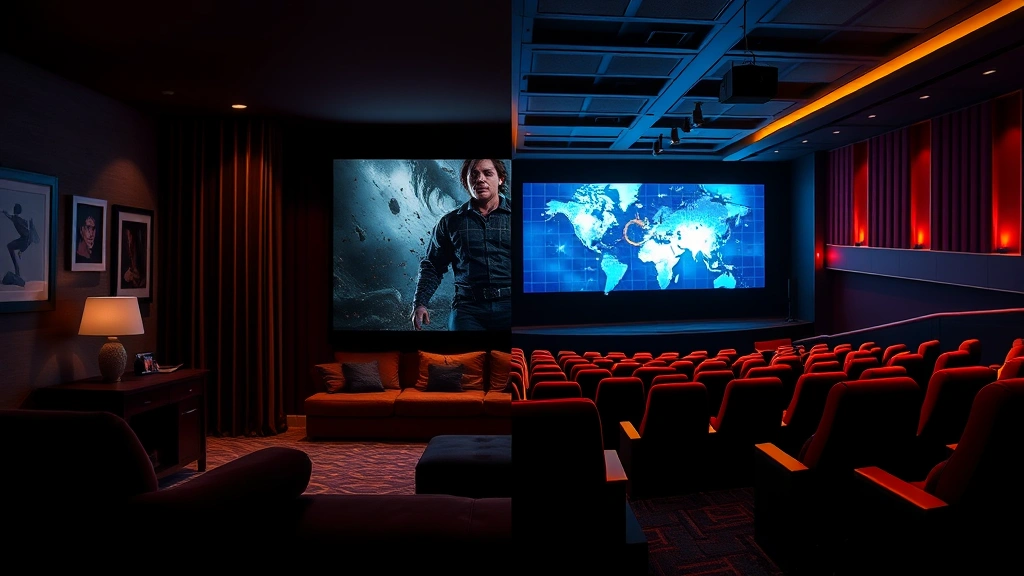
Technological advancement has fundamentally altered the theatrical-versus-streaming calculation. Home theater technology now rivals or exceeds many commercial theater systems. 4K resolution, Dolby Atmos sound, and large-screen televisions make home viewing experiences substantially more sophisticated than they were five years ago. This technological convergence reduces the exclusive advantages theaters once possessed.
Conversely, theatrical technology continues advancing. IMAX, Dolby Cinema, and specialty formats like 4DX create immersive experiences impossible to replicate at home. Some horror films are specifically shot and mixed for these premium formats, leveraging technological superiority to justify theatrical exhibition. However, these premium formats represent only 10-15% of theatrical screens, limiting their impact on overall theatrical viability.
Mobile technology has created new distribution pathways. Short-form horror content thrives on TikTok, YouTube Shorts, and Instagram Reels, reaching audiences who may never visit theaters. This fragmentation means horror content now exists across numerous platforms simultaneously, each serving different audience segments and engagement patterns. A single horror property might exist as a theatrical film, a streaming series, mobile content, podcasts, and interactive experiences.
Virtual reality and immersive technologies represent emerging frontiers for horror distribution. VR horror experiences offer psychological intensity exceeding both theatrical and streaming options, though current adoption rates remain limited. As VR technology matures and becomes more accessible, it could reshape horror distribution strategies entirely, though this transition likely extends beyond the next 5-10 years.
Content delivery technology also influences theatrical relevance. Faster internet speeds and improved streaming infrastructure make day-and-date releases (simultaneous theatrical and streaming releases) increasingly viable. This hybrid approach allows studios to maximize revenue across both platforms, though it often cannibalizes theatrical attendance. The optimal release strategy varies by film, budget, and target audience.
Future Outlook for Horror in Cinemas
The trajectory suggests horror will maintain significant theatrical relevance, though with evolving distribution models. Several factors support continued theatrical importance. First, horror’s economic efficiency ensures studios will continue investing in theatrical releases—the genre simply generates superior profit margins. Second, horror audiences skew younger and more devoted than average filmgoers, demonstrating consistent theatrical attendance patterns. Third, horror’s cultural impact depends partly on theatrical distribution, which creates prestige and legitimacy that streaming alone doesn’t provide.
However, theatrical horror won’t return to pre-streaming dominance. Instead, the industry will likely adopt tiered release strategies: major horror franchises and high-profile originals receive theatrical releases, mid-tier films premiere on streaming platforms, and experimental or niche horror content finds specialty theatrical venues or direct-to-streaming pathways. This fragmentation reflects broader industry trends affecting all genres, not unique to horror.
The festival circuit will increasingly serve as a theatrical pathway for independent horror. Sundance, South by Southwest, and specialized horror festivals like Fantastic Fest provide theatrical distribution opportunities for films that might not secure traditional theatrical releases. These festivals create cultural legitimacy and audience enthusiasm that facilitates eventual streaming or theatrical distribution.
Audience expectations will continue evolving. Younger viewers accustomed to streaming may require different theatrical value propositions—perhaps interactive elements, live commentary, or hybrid experiences combining theatrical and digital components. Horror’s adaptability as a genre positions it well to experiment with novel theatrical experiences that justify cinema attendance.
The broader context involves understanding how entertainment media continues evolving. Exploring contemporary film releases and their distribution strategies reveals how different genres navigate theatrical and streaming pathways.
Looking ahead, horror movies will remain theatrically relevant, though their theatrical dominance has diminished. The genre’s future involves hybrid distribution, premium theatrical experiences for major properties, and strategic streaming releases for mid-tier content. This approach maximizes revenue while accommodating diverse audience preferences and technological capabilities. Horror’s psychological power and cultural resonance ensure it will continue thriving in theaters, even as streaming platforms capture increasing market share.
FAQ
Why do horror movies perform well in theaters?
Horror films benefit from theatrical environments optimized for psychological fear responses. Darkness, large screens, powerful sound systems, and collective audience reactions amplify horror’s emotional impact. Additionally, horror maintains lower production budgets with high profit margins, making theatrical distribution economically attractive for studios.
Are horror movies moving entirely to streaming?
No. While streaming platforms invest heavily in horror content, theatrical horror releases remain financially successful and culturally significant. Studios now employ hybrid strategies, with major horror properties receiving theatrical releases while mid-tier films debut on streaming platforms.
Which horror films should I watch in theaters?
Franchise horror films, high-budget original concepts, and films specifically designed for theatrical formats (using IMAX or Dolby Cinema) benefit most from theatrical viewing. Films emphasizing sound design, jump scares, and collective audience reactions are optimized for theaters. Check current film recommendations and reviews for specific theatrical releases.
Can horror movies be as effective on streaming?
Streaming offers different advantages for horror, particularly comfort and control. Home viewing environments reduce anxiety for sensitive viewers while allowing pause functionality. However, theatrical viewing produces more intense psychological reactions through environmental factors and collective experience. Both formats serve different audience needs.
What’s the future of horror in cinemas?
Horror will maintain theatrical relevance through tiered release strategies, premium theatrical experiences for major properties, and festival distribution for independent films. The genre’s economic efficiency and cultural impact ensure continued theatrical investment, though streaming will capture increasing market share.
How do horror box office numbers compare to other genres?
Horror maintains superior profit margins relative to production budgets compared to most genres. While superhero and action films generate higher absolute revenue, horror films typically cost less and return higher percentages of profit, making them exceptionally attractive to studios.
Why do audiences discuss horror movies more on social media?
Theatrical releases create concentrated viewing windows where audiences experience films simultaneously, generating synchronized social media discussions. Horror’s psychological intensity and surprising plot elements encourage immediate sharing and discussion. Streaming releases distribute viewership across longer periods, fragmenting the conversation.