Adam Sandler in Flubber: A Fan-Created Concept That Could Redefine Comedy Cinema
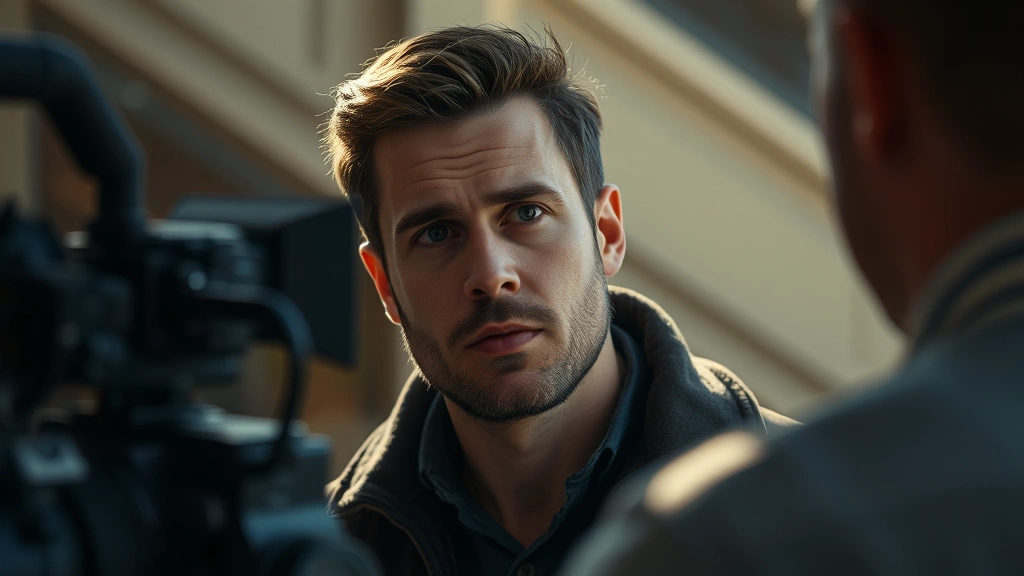
The intersection of nostalgia and creative reimagining has become a powerful force in modern entertainment discourse. When fans imagine beloved actors in classic roles they never inhabited, it often reveals deeper truths about casting, comedic timing, and the evolution of humor across decades. One particularly intriguing fan concept that has gained traction in online communities is the idea of Adam Sandler starring in a contemporary adaptation of Flubber, the 1997 Disney film originally headlined by Robin Williams. This thought experiment goes far beyond simple “what-if” casting speculation—it represents a fascinating intersection of generational comedy styles, the nature of film adaptation, and how digital media enables fans to participate in creative discourse like never before.
Adam Sandler’s comedic sensibility, marked by his distinctive delivery, physical humor, and ability to blend heart with absurdity, presents an intriguing alternative lens through which to view the Flubber premise. The original film, based on the 1961 Disney movie The Absent-Minded Professor, already existed in multiple iterations, each reflecting the comedic values of its era. A Sandler-led reimagining would inevitably transform the material in ways that speak to contemporary audiences while honoring the source material’s fundamental charm. This article explores how such a casting choice would reshape the narrative, what it reveals about comedy evolution, and why fan-created concepts like this matter in our current media landscape.
The Original Flubber Legacy and Its Evolution
Understanding why an Adam Sandler version of Flubber captures imagination requires examining the original film’s place in cinema history. The 1997 Flubber, directed by Les Mayfield and starring Robin Williams as Professor Ned Brainard, was itself a remake of the 1961 film The Absent-Minded Professor, which featured Fred MacMurray. This lineage demonstrates how certain stories transcend their original iterations, remaining relevant enough to warrant reimagining across different eras.
The core premise—a brilliant but scatterbrained inventor creates a revolutionary rubber-like substance with impossible properties—provides fertile ground for comedy. Robin Williams’ version emphasized slapstick, rapid-fire dialogue, and manic energy that reflected 1990s comedy sensibilities. The film relied heavily on Williams’ improvisational gifts, his ability to generate humor through verbal riffing, and his trademark intensity. The visual effects, groundbreaking for the time, showcased the Flubber substance bouncing through elaborate sequences with gleeful abandon. However, the film’s critical reception was mixed, with some critics finding Williams’ performance exhausting rather than endearing.
The original 1961 Absent-Minded Professor, by contrast, emphasized gentler physical comedy and situational humor. Fred MacMurray’s understated delivery created comedy through contrast—his everyman quality clashing with increasingly absurd circumstances. The film’s success spawned the 1969 sequel Son of Flubber, indicating the concept’s durability. Each iteration reflected what audiences found funny during that particular era, what technology could achieve visually, and what casting choices the studios believed would resonate.
This evolutionary pattern matters because it establishes that Flubber isn’t a sacred text requiring preservation but rather a flexible framework accommodating different comedic approaches. The premise itself—invention, mishap, redemption—remains timeless. What changes is the execution, the tone, and the performer’s unique stamp on the material. This is precisely why imagining Adam Sandler in the role becomes analytically interesting rather than merely fan-fiction indulgence.

Adam Sandler’s Comedic DNA and Casting Fit
Adam Sandler represents a distinctly different comedic tradition than Robin Williams, though both achieved massive commercial success. Where Williams channeled controlled chaos and manic energy, Sandler operates from a foundation of earnestness interrupted by moments of unexpected absurdity. His comedic voice, developed over decades of stand-up comedy, films, and Netflix specials, emphasizes relatability, vulnerability, and the humor found in ordinary situations escalating into ridiculousness.
Sandler’s greatest strength in comedic roles lies in his ability to play characters who are fundamentally decent but flawed, often struggling with circumstances beyond their control. Films like The Waterboy, Happy Gilmore, and Big Daddy showcase his gift for creating characters audiences root for despite their obvious deficiencies. He can deliver crude humor without alienating viewers who recognize genuine heart beneath the surface-level jokes. This combination—crude exterior, sincere interior—has proven remarkably durable across his career.
In a Flubber context, Sandler’s approach would likely emphasize Professor Brainard’s loneliness and desperation more than Williams’ version. Rather than treating the character as a vehicle for comedic virtuosity, Sandler would probably lean into the pathos of an inventor nobody takes seriously, whose life is falling apart, and who sees the Flubber discovery as his last chance at validation. This emotional grounding would provide contrast to the increasingly bizarre situations the substance creates. Where Williams’ Brainard was already manic, Sandler’s version would be a regular guy pushed toward extremes by circumstances.
Sandler’s physical comedy style differs markedly from Williams’ as well. While Williams excelled at rapid, precise physical bits and facial contortions, Sandler favors broader, more obvious physical humor—stumbling, exaggerated reactions, and comedy derived from his body’s relationship to his environment. This would translate differently in Flubber sequences. Rather than the frenetic energy of bouncing chaos, we might see Sandler’s character being thrown around by Flubber in increasingly undignified ways, with humor emerging from his attempts to maintain composure while literally losing control.
How Sandler Would Transform the Narrative
A Sandler-led Flubber would necessarily reshape the film’s narrative architecture. The original 1997 version structured itself around escalating chaos—as Flubber’s properties became clearer, situations spiraled into increasingly elaborate set pieces. The story served primarily as scaffolding for visual effects demonstrations and comedy sequences.
A Sandler adaptation would likely foreground the emotional stakes more deliberately. The relationship between Brainard and his love interest (typically Betsy Carlisle, the college administrator) would probably receive more development, with genuine romantic tension replacing the original’s somewhat perfunctory romance subplot. Sandler excels at films that balance humor with emotional sincerity—think Uncut Gems, Hustle, or Punch-Drunk Love. Even in his broader comedies, audiences sense authentic feeling beneath the jokes.
The character dynamics would shift as well. Where Williams’ Brainard was already eccentric and somewhat off-putting, Sandler’s version would likely be more sympathetic from the outset. He’d be a guy everyone underestimates—the department chair dismisses him, his colleagues don’t respect him, his personal life is a wreck. The Flubber discovery becomes his redemption arc. This narrative framework provides stronger emotional throughlines while still accommodating the absurdist comedy the premise requires.
Supporting characters would probably receive more screen time and development. Sandler’s films often feature ensemble casts where secondary characters get meaningful moments. Rather than treating them as one-dimensional obstacles, a Sandler Flubber would likely develop the antagonists as three-dimensional characters with understandable motivations. This doesn’t eliminate conflict but contextualizes it within a richer narrative tapestry.
The villain character—typically someone trying to steal or exploit the Flubber discovery—would probably be less cartoonish. Rather than a mustache-twirling antagonist, we’d likely see someone whose goals conflict with Brainard’s in ways that create genuine tension. Sandler’s filmography suggests he prefers conflicts rooted in misunderstanding and competing needs rather than pure evil versus good dynamics.
The Role of Fan Creativity in Modern Media Culture
The fact that fans actively engage in casting speculation and reimagination of existing properties reflects fundamental shifts in how audiences relate to media in the digital age. This phenomenon has become increasingly visible through social media platforms, fan forums, and content creation communities. When audiences imagine alternative versions of films—different actors, different genres, different time periods—they’re participating in creative discourse that was previously limited to industry professionals.
According to Pew Research Center studies on digital media consumption, younger audiences particularly engage with fan-created content as a form of media literacy. Imagining Adam Sandler in Flubber requires understanding both his comedic sensibility and the original film’s structure—it’s analytical work disguised as imaginative play. Fans aren’t simply daydreaming; they’re engaging in sophisticated media criticism through the lens of casting and performance.
This creative participation democratizes filmmaking discourse. Professional film critics and industry analysts no longer monopolize conversations about casting, tone, and narrative approach. Any fan with internet access can articulate why they believe a particular actor would or wouldn’t suit a role, what changes their casting would necessitate, and how those changes would affect the overall film. This represents a genuine shift in cultural authority and expertise.
The Adam Sandler Flubber concept also illustrates how fan creativity engages with nostalgia in productive ways. Rather than simply consuming the original film passively, fans remix it, reimagine it, and explore how contemporary performers might approach classic material. This process keeps older films alive in cultural conversation while allowing new generations to engage with established properties through fresh lenses. The best movies on Netflix often include classics alongside contemporary releases, creating opportunities for audiences to discover originals and imagine their own versions.
Box Office and Audience Reception Potential
Analyzing the commercial viability of a hypothetical Adam Sandler Flubber requires understanding his current market position and audience demographics. Sandler has demonstrated remarkable staying power in an industry obsessed with youth appeal. His films consistently perform well, and his Netflix deal has proven enormously successful. Unlike some comedians whose appeal peaks during specific eras, Sandler has maintained relevance across decades.
His audience skews toward adults aged 25-55, a demographic with disposable income and established filmgoing habits. This audience segment values comedy that doesn’t require cultural references they don’t understand and that respects their intelligence through emotional complexity. A Sandler Flubber would likely attract this core audience plus younger viewers familiar with his recent acclaimed dramatic work in films like Uncut Gems and Hustle.
The original 1997 Flubber grossed approximately $145 million worldwide, a respectable sum for the era but not a blockbuster by modern standards. A contemporary Sandler version would need to justify its budget through broader appeal. Sandler’s name recognition could be a significant asset—audiences know what to expect from an Adam Sandler film, and that clarity helps in marketing and audience targeting. However, the premise itself—an invention-based family comedy—might seem dated to modern audiences accustomed to superhero spectacles and franchise continuations.
The film’s success would likely depend on execution quality and marketing strategy. Positioned as a heartfelt comedy with substantial emotional depth rather than pure slapstick, it could attract audiences beyond typical Sandler devotees. Families with children represent another potential market segment, assuming content remained appropriately rated. The original Flubber achieved G ratings, making it accessible to young audiences—a Sandler version would probably target PG or PG-13 ratings while maintaining his comedic voice.
Production Design and Visual Comedy Considerations
The technical and creative challenges of bringing Flubber to screen have evolved dramatically since 1997. The original film’s visual effects, while impressive for their era, now appear dated. A contemporary adaptation would need to establish Flubber visually in ways that feel current while maintaining the substance’s inherent absurdity. This represents both opportunity and challenge.
Modern visual effects technology could render Flubber with photorealistic precision, making the substance appear genuinely physical rather than obviously digital. However, this creates a tonal problem—if Flubber looks too realistic, it undermines the film’s comedic premise. The original film’s somewhat cartoony Flubber aesthetic actually served the comedy by maintaining slight distance from naturalism. A Sandler version would need to strike similar balance, using contemporary technology to enhance rather than replace the concept’s inherent playfulness.
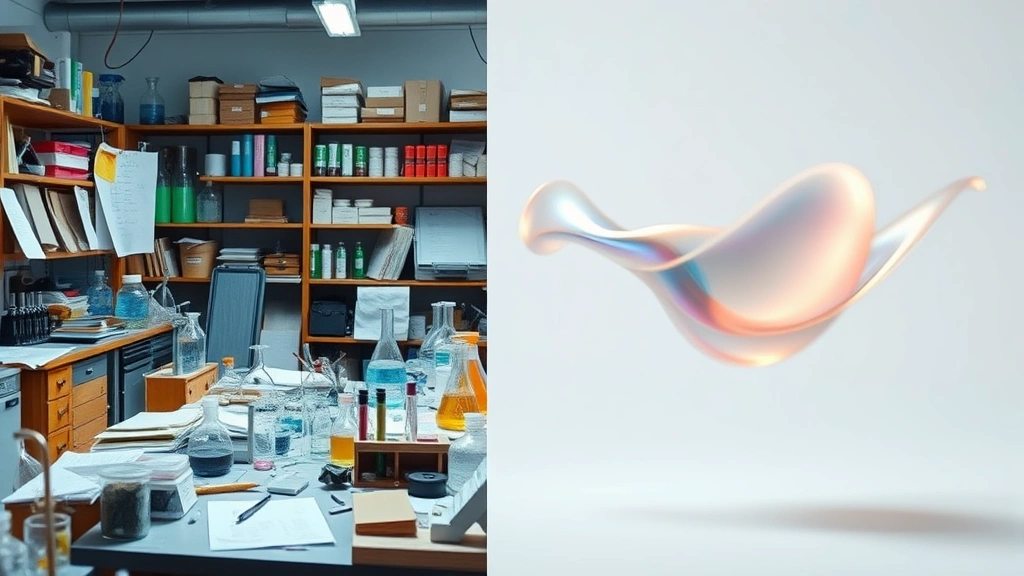
Sandler’s comedic style emphasizes physical performance and character reaction more than elaborate visual set pieces. This suggests a Flubber adaptation might focus less on extended sequences showcasing the substance’s properties and more on intimate moments where characters interact with Flubber in confined spaces. Rather than grand set pieces of bouncing chaos, we might see Sandler’s character struggling to contain Flubber in his laboratory, with humor emerging from escalating mishaps and his increasingly desperate attempts at control.
The production design would likely emphasize the professor’s personal spaces—his cluttered laboratory, his modest home, the college campus where he works. These environments would benefit from detailed, lived-in aesthetics that ground the comedy in recognizable reality. When impossible things happen (Flubber bouncing through these spaces), the contrast between mundane setting and absurd occurrence generates comedy. This approach aligns with Sandler’s comedic sensibility, which thrives on grounding absurdity in relatable contexts.
Casting supporting roles would significantly impact the film’s tone. A Sandler Flubber would benefit from ensemble comedy actors who excel at character work—performers who can generate humor through interaction and dynamics rather than relying on individual comedic virtuosity. The chemistry between Brainard and his love interest would be crucial; rather than romantic tension serving as thin justification for plot mechanics, it would need to feel genuinely earned and emotionally resonant.
The film’s score and sound design would also differ from the original. John Williams’ orchestral score for the 1997 version emphasized whimsy and adventure. A Sandler film would likely employ a more contemporary musical approach, possibly incorporating indie or alternative artists rather than traditional orchestration. The sound design would probably emphasize character reactions and environmental comedy rather than elaborate musical accompaniment to visual gags.
FAQ
Why do fans imagine Adam Sandler in classic roles?
Fan casting exercises represent a form of media criticism and creative engagement. When audiences imagine different performers in established roles, they’re analyzing how casting choices affect tone, narrative emphasis, and thematic resonance. It’s a way of understanding both the actor’s capabilities and the original material’s flexibility. Exploring alternative versions helps audiences appreciate what performers bring to their actual roles while envisioning how different sensibilities might approach the same material.
Could a Sandler Flubber actually be made?
While this remains a fan concept rather than a greenlit project, the entertainment industry does occasionally revisit established properties with new creative teams and casting. If a studio believed a Sandler Flubber could achieve commercial success and critical respectability, the project could theoretically move forward. However, studios typically approach remakes conservatively, and Sandler’s current focus on Netflix projects suggests his theatrical film output remains selective.
How does this concept relate to the broader trend of remakes and reboots?
The Sandler Flubber concept exists within Hollywood’s larger obsession with established intellectual property. Rather than developing original stories, studios frequently revisit beloved films with new creative approaches. This strategy reduces financial risk but can alienate audiences who view remakes as unnecessary. Fan-created concepts like this one actually provide valuable market research—they reveal which properties audiences believe warrant reimagination and which performers they believe could successfully tackle classic roles.
What makes the Flubber premise timeless?
The core story—an underestimated inventor creates something revolutionary that spirals beyond his control—addresses universal themes about ambition, validation, and the consequences of innovation. These themes remain relevant regardless of era or casting. The Flubber substance itself is simply a MacGuffin enabling exploration of these deeper concerns. This explains why the story has survived multiple iterations; the premise accommodates different comedic sensibilities while maintaining thematic consistency.
Where can fans discuss alternative casting concepts?
Fan communities exist across numerous platforms. Reddit hosts dedicated subreddits for film discussion where casting speculation thrives. Twitter enables real-time discourse about hypothetical casting choices. Dedicated fan forums and Discord communities provide spaces for deeper engagement. For those interested in professional film criticism and casting analysis, resources like guides on becoming a film critic offer frameworks for understanding casting decisions more analytically.
How does fan creativity influence actual Hollywood decisions?
While studios don’t directly adapt fan casting suggestions, they monitor fan discourse closely. Fan engagement signals which properties generate interest and which performers audiences believe could successfully inhabit classic roles. Social media conversations, fan forums, and online communities provide valuable data about audience preferences. Successful fan campaigns have occasionally influenced casting decisions, though these remain exceptions rather than the rule. More commonly, fan creativity demonstrates market interest in particular concepts or performers.
What resources help audiences analyze casting and performance?
Several excellent resources support deeper engagement with film analysis. Comprehensive guides to movie review sites direct audiences toward professional criticism examining casting choices and performance analysis. Collections of famous movie quotes help audiences appreciate dialogue delivery and comedic timing. The 123 Movies resource provides access to films enabling comparative analysis across different versions and performances. Additionally, entertainment journalism outlets like The Hollywood Reporter offer professional analysis of casting decisions and their implications.
How does this concept demonstrate media literacy?
Imagining Adam Sandler in Flubber requires understanding multiple analytical frameworks simultaneously. Audiences must comprehend Sandler’s comedic sensibility, his typical character types, his performance strengths, and his weaknesses. They must understand the original Flubber premise, its tonal qualities, its narrative structure, and what made it work or fail. They must then synthesize this knowledge to articulate how Sandler’s casting would necessitate narrative changes, tonal shifts, and thematic emphasis adjustments. This represents sophisticated media analysis disguised as casual fan speculation. It demonstrates genuine media literacy—the ability to understand how creative choices interact to produce meaning.