Battle of the Bulge Movie: A Comprehensive Historical Accuracy Review
The 1965 film Battle of the Bulge remains one of cinema’s most ambitious attempts to capture World War II’s largest land battle. Directed by Ken Annakin, this epic war drama reconstructs the December 1944 German offensive through the lens of Hollywood spectacle, combining historical events with dramatic storytelling conventions. For decades, audiences have debated whether the film’s portrayal honors the true events or sacrifices accuracy for entertainment value. This analysis examines the film’s historical claims against documented military records, survivor testimonies, and contemporary scholarship to determine where artistic license enhances narrative and where it fundamentally distorts historical reality.
Understanding the accuracy of war films matters significantly in shaping public perception of historical events. The Battle of the Bulge movie has influenced how millions visualize this pivotal 1944-1945 conflict, making critical examination essential for both film enthusiasts and history buffs. Our detailed review separates fact from fiction, explores the filmmaking choices that shaped the narrative, and evaluates the film’s enduring legacy in war cinema.
Historical Context and the Real Battle
The actual Battle of the Bulge, formally known as the Ardennes Offensive, occurred between December 16, 1944, and January 25, 1945. Nazi Germany launched this surprise winter attack through the Ardennes region of Belgium and Luxembourg with approximately 250,000 troops, hoping to divide Allied forces and secure a negotiated peace. The offensive represents the largest German military operation of the Western European campaign and resulted in approximately 190,000 casualties across all sides combined.
The 1965 film captures the broad strokes of this narrative: German surprise, Allied confusion, American resilience, and eventual German defeat. However, the movie compresses a 41-day campaign into a two-and-a-half-hour narrative, necessitating significant omissions and simplifications. The film focuses primarily on the American perspective, particularly through characters stationed near Bastogne, one of the battle’s crucial flashpoints. This geographic and temporal narrowing, while understandable for cinematic purposes, creates an incomplete picture of the broader strategic situation.
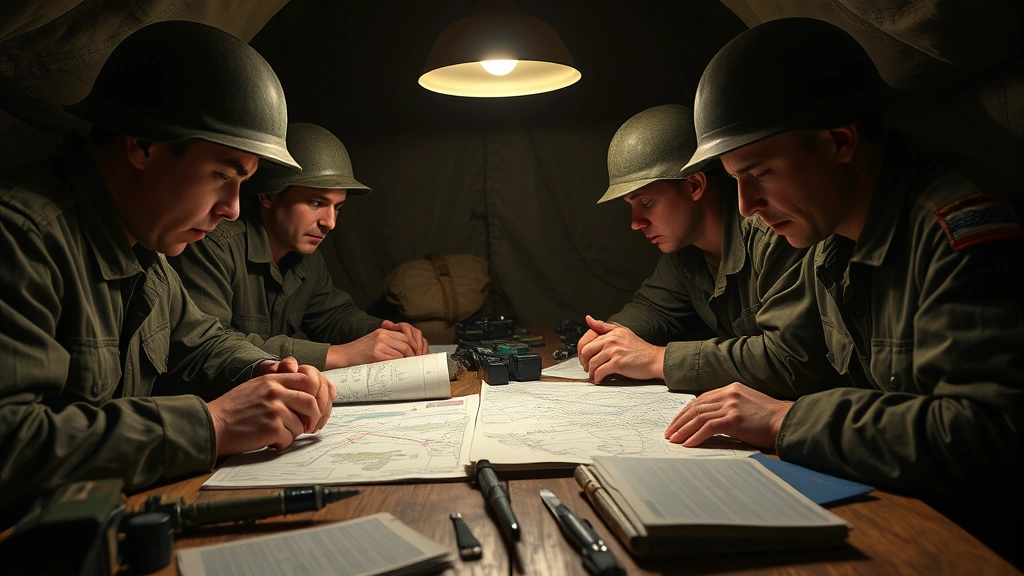
According to historical military records, the German offensive initially achieved considerable tactical surprise, with Wehrmacht forces advancing up to 70 miles into Allied territory. The film accurately depicts this shock and the subsequent scramble to organize defensive positions. American forces, particularly the 101st Airborne Division under General Anthony McAuliffe, did establish crucial defensive positions around Bastogne. However, the film’s portrayal of American command structures and strategic response deserves closer examination for accuracy.
Check out our comprehensive guide to best movie review sites for additional critical perspectives on historical war dramas.
Character Authenticity and Composite Figures
The film employs a strategy common in epic war narratives: creating composite characters who represent broader historical archetypes rather than portraying specific individuals. The main protagonist, played by Henry Fonda, represents the archetypal American soldier navigating chaos and moral complexity. While this character lacks direct historical counterpart, his experiences reflect authentic soldier accounts from the actual battle.
The film’s depiction of General Anthony McAuliffe contains both accurate and invented elements. McAuliffe’s famous response to German surrender demands—”Nuts!”—is included, and this exchange genuinely occurred. However, the film dramatizes his character beyond historical documentation, presenting him as more involved in tactical field operations than records indicate. The historical McAuliffe remained primarily in command positions rather than engaging in frontline combat personally.
German General Hasso von Manteuffel appears in the film as a strategic antagonist. The real von Manteuffel was indeed a key German commander during the Ardennes Offensive, leading the Fifth Panzer Army. However, the film’s portrayal presents him with characteristics and motivations that reflect more Hollywood convention than historical complexity. The genuine von Manteuffel was a sophisticated military strategist whose actual command decisions were far more nuanced than the film suggests.
Explore our collection of famous movie quotes including iconic lines from war cinema.
The film creates entirely fictional soldiers and commanders, which represents standard Hollywood practice but complicates historical accuracy assessment. These invented characters participate in scenarios loosely based on real events but often dramatized for emotional impact. This approach allows filmmakers creative freedom while potentially misleading viewers about specific historical details.
Battle Sequences and Combat Accuracy
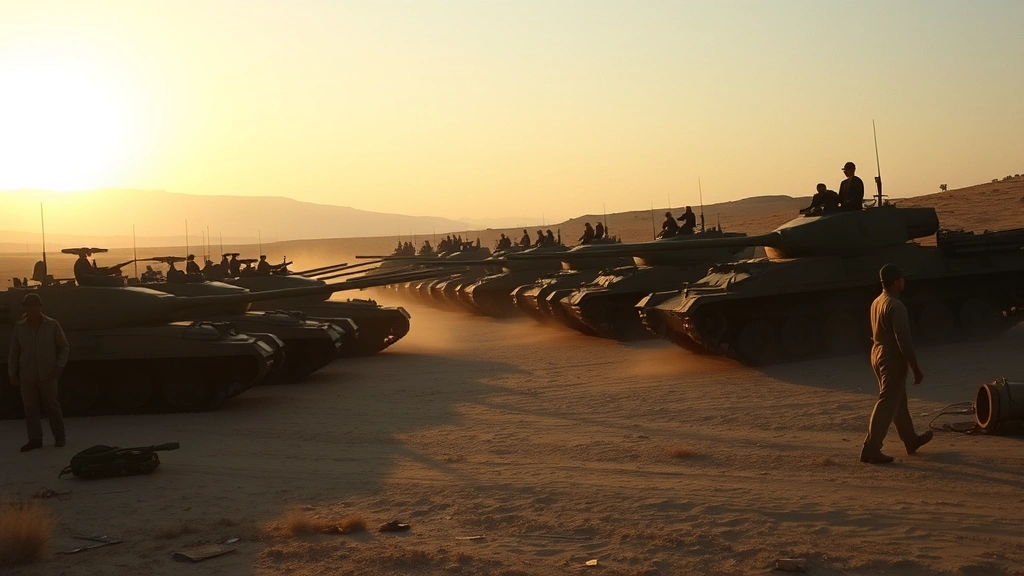
The film’s battle choreography attempts realism through extensive location filming and period-appropriate equipment. The tank combat sequences, filmed in Spain with actual vintage tanks, capture the mechanical brutality of armored warfare. However, several specific engagements depicted in the film either misrepresent historical events or invent scenarios wholesale.
The movie portrays German panther tanks as nearly invincible, emphasizing American technological disadvantage. While German armor was formidable, this characterization exaggerates the disparity. American Sherman tanks, though less heavily armored, possessed superior reliability, faster turret rotation, and more efficient logistics. The film’s emphasis on German technological superiority reflects Cold War-era narrative preferences rather than documented combat outcomes.
Particular battle sequences deserve scrutiny. The film depicts a major German breakthrough near a specific village, with American forces barely containing the advance. While German forces did achieve tactical penetrations, the specific engagement shown appears largely fictional. The surrounding topography, unit dispositions, and combat outcomes don’t match documented historical records of actual engagements in the region.
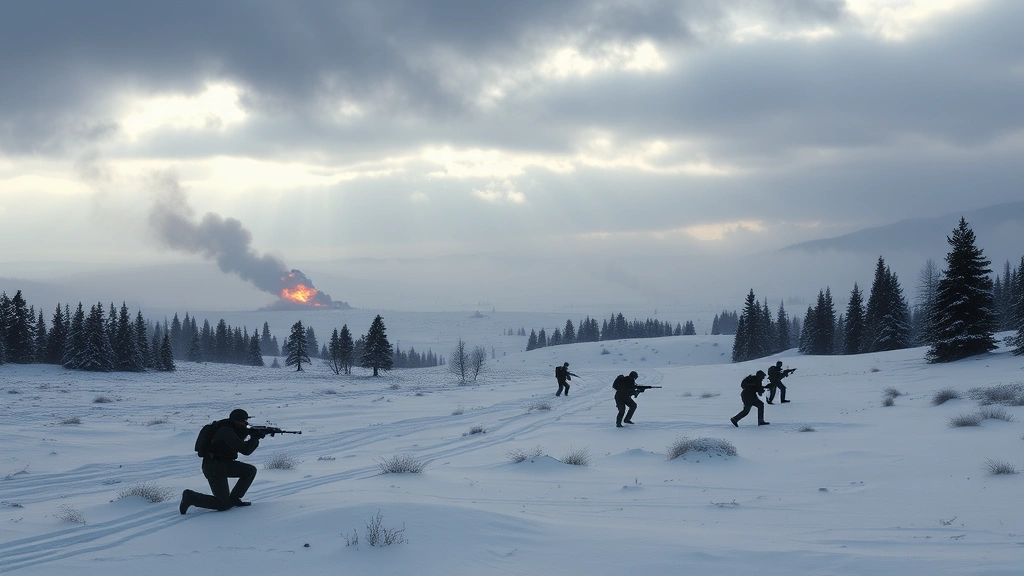
Weather conditions receive appropriate attention, as the historical Ardennes Offensive was severely hampered by winter weather and fog. The film accurately portrays how poor visibility and snow complicated military operations. However, it underemphasizes the role of air support once weather cleared, which became crucial to halting German advances.
The depiction of American infantry tactics contains both accurate and problematic elements. Soldiers’ equipment, uniforms, and basic combat procedures generally reflect historical accuracy. However, specific tactical decisions shown in the film sometimes contradict documented command decisions and soldier accounts. The film compresses multiple engagements into single dramatic sequences, creating misleading impressions of how particular battles unfolded.
Visit our Movies HD section for streaming options of classic war dramas.
Strategic Portrayal and Military Command
The film presents American high command as initially confused and reactive, which reflects genuine early-battle chaos. General Dwight Eisenhower’s command structure did struggle initially to respond to the German offensive. However, the film simplifies the actual strategic response, which involved complex coordination between American, British, and Canadian forces across multiple command structures.
Field Marshal Bernard Montgomery’s role in the battle receives minimal attention in the film, reflecting its American-centric perspective. Historically, Montgomery assumed command of American forces on the northern flank and implemented strategies that proved crucial to containing German advances. The film’s near-complete omission of this significant strategic element represents a notable historical gap.
The film portrays German strategic objectives somewhat accurately—securing fuel supplies and achieving a breakthrough to Antwerp. However, it oversimplifies the strategic debate within German high command. The historical Operation Wacht am Rhein involved significant disagreement among Nazi leaders about feasibility and objectives. The film presents German strategy as more unified and logical than historical records indicate.
American supply and logistics receive limited attention despite their historical importance. The actual battle’s outcome depended significantly on American logistical superiority, allowing rapid deployment of reserves and ammunition resupply. The film emphasizes combat action over these crucial but less dramatic logistical realities.
Visit our Screen Vibe Daily Blog for additional analysis of historical film accuracy.
Technical and Production Choices
Director Ken Annakin faced significant production constraints that affected historical accuracy. Filming in 1964-1965, nearly two decades after the actual battle, required recreating scenes using available resources. The decision to film in Spain rather than the actual Ardennes locations meant terrain and geography don’t precisely match historical battlefields. This geographical displacement affects the authenticity of tactical scenarios shown on screen.
The film’s cinematography emphasizes grand vistas and panoramic battle scenes, which differs from soldier-level perspectives documented in oral histories. This elevated viewpoint creates a different emotional and spatial understanding of the battle than ground-level accounts convey. While cinematically effective, it distances viewers from authentic soldier experiences.
Sound design choices, including explosions and gunfire, reflect 1960s production capabilities rather than accurate acoustic environments. Historical accounts describe specific sounds—particular artillery pieces, tank engines, small arms fire—with distinct acoustic signatures. The film’s generic sound design, while immersive by 1960s standards, doesn’t preserve these authentic audio markers of historical warfare.
The film’s color cinematography was relatively innovative for war films at the time. However, color film stock available in 1965 rendered certain environments differently than black-and-white photography from the actual battle period. This subtle technical difference affects how viewers visually interpret the battle’s appearance.
The decision to include extensive dialogue and character development, while dramatically necessary, compresses actual battle timelines. Real soldiers experienced extended periods of waiting, confusion, and incomplete information. The film’s narrative structure privileges dramatic action over these psychological realities.
Comparing to Other War Films
The Battle of the Bulge movie occupies an interesting position within war cinema history. Compared to earlier films like Saving Private Ryan (released 1998), the 1965 film employs different accuracy standards and filmmaking techniques. Saving Private Ryan emphasized visceral combat realism, while Battle of the Bulge balances spectacle with historical narrative.
Other World War II films provide useful comparison points. The Longest Day (1962), depicting D-Day, similarly employed composite characters and narrative compression while attempting historical authenticity. Like Battle of the Bulge, it combined actual historical figures with invented characters, creating hybrid narratives.
More recent war films employ different approaches to historical accuracy. Contemporary productions often feature extensive historical consultation and attempt greater technical authenticity. The 1965 Battle of the Bulge reflects its era’s filmmaking conventions, where dramatic narrative sometimes superseded documentary accuracy.
Documentary sources provide important counterpoints to dramatic war films. PBS documentaries on World War II offer more rigorous historical examination than feature films can accommodate. Comparing dramatic and documentary sources reveals how narrative choices shape historical understanding.
Check our 123 Movies section for additional war film recommendations and reviews.
Legacy and Cultural Impact
The 1965 Battle of the Bulge film has significantly influenced public historical understanding, despite its accuracy limitations. For many viewers, particularly before internet-enabled research, this film represented their primary visual encounter with the battle. Its influence on collective memory remains substantial, even as historical scholarship has advanced considerably since 1965.
The film’s legacy includes both positive and problematic elements. Positively, it introduces audiences to a significant historical event and captures genuine aspects of combat chaos and human resilience. Negatively, it perpetuates certain historical inaccuracies and oversimplifications that viewers might accept uncritically.
Academic historians recognize the film’s value as a cultural artifact while noting its limited utility as historical documentation. JSTOR historical journals contain scholarly analysis of how war films shape historical consciousness. This critical perspective acknowledges films’ power to inform while recognizing their essential nature as entertainment rather than historical record.
The film’s influence on subsequent war film production is evident. It established conventions for depicting large-scale military operations, including the emphasis on individual soldier experiences within broader strategic contexts. Later filmmakers have both emulated and critiqued these conventions.
Modern viewers benefit from access to primary sources, survivor testimonies, and scholarly histories unavailable during the film’s original release. This expanded information landscape allows critical evaluation of the film’s accuracy in ways previous generations couldn’t easily accomplish. The film remains entertaining and historically suggestive while requiring supplementary research for comprehensive understanding.
Explore our family movie recommendations for additional quality film selections.
FAQ
How accurate is the Battle of the Bulge movie overall?
The film captures the broad historical narrative—German surprise offensive, American defensive response, eventual German defeat—but contains numerous specific inaccuracies. It compresses a 41-day battle into 2.5 hours, necessarily omitting details. The film blends historical events with fictional scenarios and composite characters, making it entertaining but not reliable as sole historical documentation.
Which characters in the film were real historical figures?
General Anthony McAuliffe appears as himself, though dramatized beyond historical record. General Hasso von Manteuffel represents the German side, though the film invents many character details. Most other characters are fictional composites or entirely invented, representing archetypal soldier experiences rather than specific individuals.
Does the film accurately portray the weather and terrain?
The film appropriately emphasizes winter weather conditions that complicated the actual battle. However, it was filmed in Spain, so the terrain doesn’t precisely match the Ardennes region. The general landscape captures the hilly, forested character of the actual battlefield, though specific geographic features differ.
How do tank battles depicted in the film compare to historical reality?
The film accurately portrays that German tanks were formidable opponents, but it exaggerates German technological superiority. American Shermans were less heavily armored but more reliable and logistically efficient. The specific tank engagements shown are largely fictional dramatizations rather than documented historical battles.
What major historical elements does the film omit?
The film largely omits British and Canadian forces’ roles, particularly Field Marshal Montgomery’s crucial command of northern operations. It underemphasizes American logistical superiority and air support’s importance once weather cleared. The film also simplifies German strategic objectives and internal disagreements among Nazi leadership.
Should I rely on this film for historical understanding?
The film serves as entertaining introduction to the Battle of the Bulge but shouldn’t be your sole historical source. Supplement it with American History Museum resources, survivor accounts, and scholarly histories for comprehensive understanding. Treat the film as cultural artifact and entertainment rather than historical documentary.


