
Top Shark Movies Ranked: Expert Picks for Every Thriller Fan
The shark movie genre has captivated audiences for decades, delivering pulse-pounding suspense, stunning cinematography, and unforgettable moments of terror beneath the waves. From the groundbreaking thriller that defined summer blockbusters to contemporary creature features pushing creative boundaries, the best shark movies represent some of cinema’s most thrilling achievements. These films transcend simple monster narratives—they explore human vulnerability, survival instincts, and our primal fear of the unknown lurking in unexplored depths.
Whether you’re seeking classic terror or modern interpretations of oceanic danger, our curated ranking examines the films that have genuinely scared audiences and influenced how we perceive these magnificent predators. We’ve analyzed critical reception, cultural impact, technical execution, and rewatchability to determine which shark movies deserve your immediate attention. This comprehensive guide draws from critical consensus platforms and industry analysis to provide authoritative recommendations.
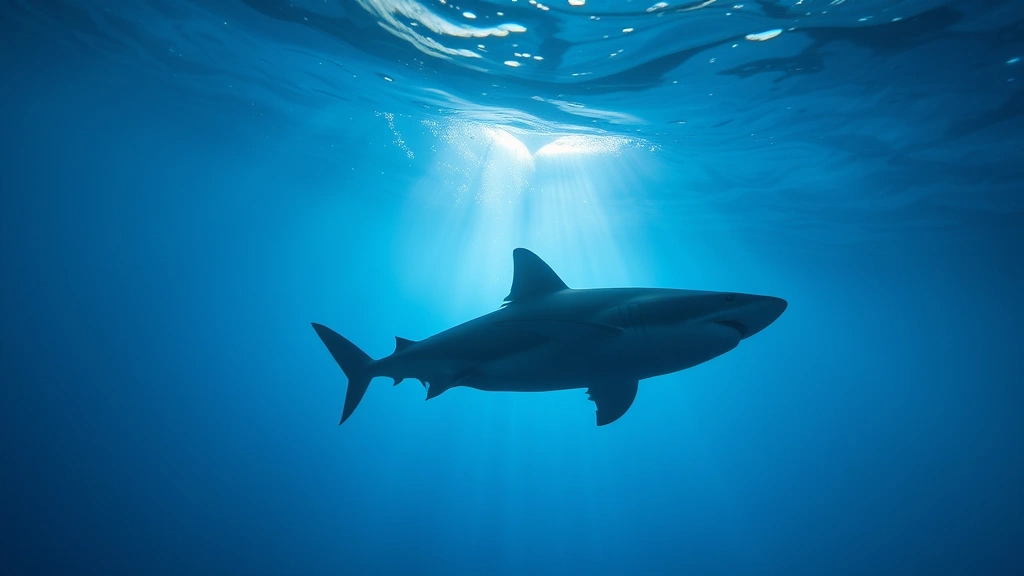
The Undisputed Masterpiece: Jaws
Steven Spielberg’s Jaws (1975) remains the definitive shark movie and arguably the most influential thriller ever created. This film didn’t just establish the shark genre—it essentially invented the summer blockbuster as we know it. Released during a period when mechanical failures plagued production, Spielberg’s limitations became creative advantages. The mechanical shark’s unreliability forced him to suggest danger rather than explicitly show it, creating psychological terror that proves far more effective than modern CGI spectacle.
The narrative brilliance of Jaws lies in its three-act structure and character development. Police Chief Brody’s journey from land-bound anxiety to reluctant sea warrior, paired with Quint’s monological brilliance and Hooper’s scientific perspective, creates a perfect ensemble dynamic. John Williams’ iconic score has become synonymous with shark imagery itself—those two descending notes trigger primal fear responses in audiences worldwide. The film’s technical achievements earned it three Academy Awards and fundamentally changed how studios approached marketing and theatrical releases.
Contemporary analysis reveals Jaws functions as sophisticated social commentary about bureaucratic indifference, economic interests overriding public safety, and masculine performance. The shark becomes a metaphor for forces beyond individual control—environmental, economic, and existential threats that require collective action. This thematic depth, combined with impeccable filmmaking, explains why Jaws continues captivating new generations of viewers. If you haven’t experienced this essential cinema, understanding the most iconic movie quotes from this film provides cultural context that enriches the viewing experience.

Deep Blue Sea and Creature Feature Excellence
Renny Harlin’s Deep Blue Sea (1999) represents the apex of late-90s creature feature filmmaking, combining practical effects, compelling character arcs, and genuinely shocking narrative turns. Set in an underwater research facility, the film features genetically enhanced sharks—a premise that could have veered into ridiculous territory but instead becomes a vehicle for exploring scientific hubris and environmental consequences. The facility setting provides claustrophobic tension impossible in open-ocean scenarios, creating an underwater haunted house atmosphere that proves devastatingly effective.
What distinguishes Deep Blue Sea is its willingness to eliminate major characters unexpectedly. The shocking death of a prominent actor midway through the film signals that conventional narrative rules don’t apply—anyone could perish at any moment. This unpredictability generates sustained tension throughout the runtime. Stella Teems’ performance as a determined scientist combines intelligence with vulnerability, avoiding typical action-movie clichés. The practical shark effects, while occasionally visible as animatronics, possess a tangible presence that many modern CGI creatures lack.
The film explores themes of scientific responsibility, corporate malfeasance, and the hubris inherent in attempting to control nature. The sharks themselves become sympathetic characters—enhanced predators responding to stimuli beyond their control, victims of human experimentation. This moral complexity elevates the film beyond simple monster narrative into commentary on bioethics and environmental stewardship. For those interested in how film criticism evaluates such genre entries, exploring how to become a film critic provides frameworks for deeper analytical engagement with creature features.
IMAGE_2
Modern Shark Cinema: The Meg and Contemporary Entries
Jon Turteltaub’s The Meg (2018) brought shark cinema into the contemporary blockbuster era with mixed results that ultimately reveal interesting truths about modern genre filmmaking. Starring Jason Statham as an unconventional action hero, the film pits humanity against a prehistoric megalodon—a creature so massive it transcends realistic threat assessment and becomes pure spectacle. The film’s self-aware tone acknowledges its own absurdity, leaning into fun rather than sustained terror.
While The Meg lacks the psychological depth of Jaws or the practical craftsmanship of Deep Blue Sea, it succeeds as entertaining summer escapism. The underwater cinematography showcases beautiful locations and creature design, even if the narrative remains straightforward. Statham’s charismatic performance carries the film through slower sequences, and the action sequences deliver visceral thrills. The film demonstrates how contemporary shark movies often prioritize spectacle and humor over existential dread—a fundamental shift in how modern cinema approaches the genre.
Other notable modern entries include The Shallows (2016), which strips the shark movie to its essentials—Blake Lively’s determination against a great white in shallow water. Director Jaume Collet-Serra crafts impressive tension from minimal elements, proving that constraint breeds creativity. The film’s intimate scale contrasts sharply with The Meg‘s grandiose approach, yet both demonstrate how contemporary filmmakers reimagine shark narratives for modern audiences with different thematic priorities and technical capabilities.
Hidden Gems and International Perspectives
Beyond mainstream Hollywood productions, international shark cinema offers fascinating perspectives often overlooked in English-language critical discourse. The Last Shark (1981), an Italian production, provides surprisingly effective tension despite modest budgets. The film’s European sensibility differs markedly from American approaches, emphasizing atmosphere and slow-building dread over action-movie dynamics. Regional variations in how different cultures approach shark narratives reveal deeper truths about universal fears and culturally specific anxieties.
Australian cinema has produced memorable shark entries reflecting that nation’s unique relationship with oceanic danger. The genre’s cultural specificity means shark movies from different regions often explore distinct themes—environmental degradation, tourism exploitation, indigenous displacement, or colonial legacy. These international perspectives prevent shark cinema from becoming creatively stagnant, introducing fresh visual approaches and thematic concerns that enrich the overall genre.
Lesser-known entries like Ghost Shark (2013) or Avalanche Sharks (2013) represent the B-movie tradition where budgetary limitations inspire creative problem-solving. While these films lack the technical sophistication of major studio productions, their ingenuity and willingness to explore bizarre premises provide entertainment value for genre enthusiasts. Exploring the broader landscape of shark cinema—including its lower-budget manifestations—provides comprehensive understanding of how this genre functions across different production contexts and audience expectations.
Cult Classics and B-Movie Brilliance
The shark movie genre encompasses fascinating cult classics that have developed dedicated followings despite limited theatrical releases or critical dismissal. Lair of the White Worm (1988), while not strictly a shark movie, incorporates serpentine creatures that function within similar psychological frameworks. These boundary-pushing films demonstrate how creature features can explore surreal, artistic territory beyond conventional narrative structures.
Barracuda (1978) and Piranha (1978) represent the exploitation cinema tradition, where low budgets inspire creative problem-solving and transgressive content. While technically fish rather than sharks, these films operate within the same generic ecosystem, exploring similar anxieties about predatory nature and human vulnerability. Joe Dante’s Piranha particularly stands out for its satirical edge and willingness to attack military-industrial establishments. These films demonstrate how creature features function as vehicles for social commentary when directed by filmmakers with thematic clarity.
The appeal of cult shark movies lies partly in their rejection of commercial calculation. Freed from studio interference or demographic targeting, these films pursue singular visions that occasionally achieve genuine artistry despite technical limitations. For viewers interested in cinema beyond mainstream releases, exploring comprehensive movie review sites provides access to critical perspectives on lesser-known genre entries. Additionally, checking the best movies available on Netflix often reveals hidden gems that streaming platforms have rescued from obscurity.
What Makes Shark Movies Resonate
Understanding shark cinema’s enduring appeal requires examining the psychological and thematic dimensions these films consistently explore. Sharks represent primal fear—the unknown predator in environments where humans are fundamentally disadvantaged. Unlike terrestrial animals, sharks operate in a realm where our sensory capabilities diminish dramatically. We cannot see clearly, move efficiently, or breathe naturally in their domain. This fundamental vulnerability generates existential anxiety that filmmakers expertly exploit.
Shark movies also explore themes of human arrogance and environmental consequence. From Jaws‘s economic indifference to Deep Blue Sea‘s scientific hubris, these narratives repeatedly examine how human systems fail to respect natural forces. Climate change, ocean acidification, and habitat destruction increasingly contextualize shark narratives as environmental allegories. The shark becomes not merely a monster but a symptom of ecosystem imbalance—an organism responding to human-generated changes in its habitat.
The isolation inherent in shark scenarios creates narrative advantages. Surrounded by water, characters cannot escape to civilization. Help arrives slowly, if at all. This isolation forces confrontation with fundamental survival instincts and interpersonal dynamics under extreme pressure. The genre explores how ordinary people respond to extraordinary circumstances, revealing character through action rather than exposition. These thematic consistencies explain why shark movies, despite their specific focus, achieve universal resonance across cultural and temporal boundaries.
IMAGE_3
Contemporary scholarship increasingly recognizes shark cinema as legitimate artistic expression rather than disposable entertainment. The American Film Institute and academic institutions now examine creature features as texts worthy of serious critical analysis. This scholarly attention validates what enthusiasts have long understood—that shark movies, at their best, represent sophisticated filmmaking exploring profound human anxieties through spectacular entertainment.
For those seeking to deepen their engagement with film analysis and criticism, ScreenVibe Daily’s comprehensive blog offers ongoing critical perspectives on cinema across genres. The blog regularly explores how contemporary films build upon or subvert genre traditions, providing frameworks for understanding how shark movies fit within broader cinematic conversations about fear, survival, and human limitation.
FAQ
What is the highest-rated shark movie of all time?
Jaws (1975) consistently ranks as the highest-rated shark movie across critical platforms and audience surveys. Its combination of technical excellence, narrative sophistication, thematic depth, and cultural impact remains unmatched. The film’s influence on cinema extends far beyond the shark genre, fundamentally transforming how studios approach blockbuster filmmaking and marketing strategies.
Are there any recent shark movies worth watching?
Yes, The Shallows (2016) and The Meg (2018) represent notable recent entries. The Shallows excels at tension-building through constraint and minimalism, while The Meg prioritizes entertaining spectacle. Both demonstrate how contemporary filmmakers continue exploring shark narratives with modern sensibilities and technical capabilities, though neither achieves the psychological resonance of classic entries.
Why do shark movies work so effectively as horror narratives?
Sharks trigger primal fears rooted in human vulnerability and environmental unfamiliarity. We are fundamentally disadvantaged in ocean environments—unable to see clearly, move efficiently, or breathe naturally. This vulnerability generates existential anxiety that filmmakers expertly manipulate through narrative structure, cinematography, and sound design. Additionally, sharks represent forces beyond human control, making them effective metaphors for environmental, economic, and existential threats.
Which shark movie has the best special effects?
Deep Blue Sea (1999) combines practical animatronics with early CGI to create convincing shark effects that still hold up remarkably well. The Meg (2018) showcases more advanced digital creature design, though some prefer the tangible presence of practical effects. The debate between practical and digital effects in shark cinema reflects broader conversations about visual authenticity and emotional impact in contemporary filmmaking.
What themes do shark movies typically explore?
Shark movies consistently examine human arrogance, environmental consequence, survival instincts, and vulnerability. These narratives explore how ordinary people respond to extraordinary circumstances, often revealing institutional failures and individual moral choices under extreme pressure. Contemporary shark films increasingly function as environmental allegories, with sharks representing ecosystem imbalance resulting from human activity. Thematically, the genre explores fundamental questions about humanity’s place within natural systems and our capacity to respect forces beyond our control.


