Bohemian Rhapsody’s Impact: Box Office Insights and Cultural Legacy
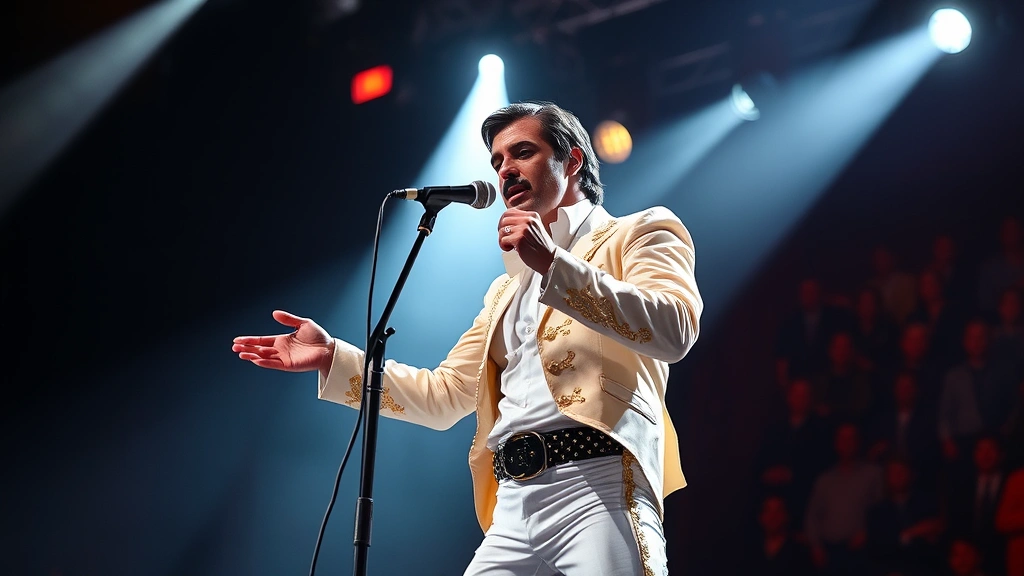
When Bryan Singer’s Bohemian Rhapsody premiered in November 2018, few could have predicted the seismic impact it would have on cinema and popular culture. The biographical film chronicling Freddie Mercury’s life and Queen’s rise to stardom became more than just another music biopic—it transformed into a cultural phenomenon that rewrote box office records and demonstrated the enduring power of authentic storytelling in the streaming era. Rami Malek’s transformative performance, combined with meticulous attention to the band’s iconic moments, created a film that resonated across demographics and generations.
The movie’s success wasn’t merely financial; it sparked conversations about representation in cinema, the viability of music biopics as prestige entertainment, and the ways audiences still crave theatrical experiences centered on compelling human narratives. With a worldwide gross exceeding $900 million, Bohemian Rhapsody became the highest-grossing music biopic of all time, a distinction that underscores its remarkable cultural penetration and commercial appeal.
Box Office Performance and Records
Bohemian Rhapsody shattered expectations from its opening weekend, grossing $50 million domestically and signaling that audiences were hungry for quality music-driven narratives. The film’s box office trajectory defied conventional wisdom about biopic longevity, maintaining strong performance week after week as word-of-mouth recommendations drove repeat viewings and expanded audiences. By the end of its theatrical run, the film had accumulated $910 million globally, with $426 million from domestic markets and $484 million internationally.
What made these numbers particularly significant was the film’s production budget of approximately $50 million. This return-on-investment ratio—nearly 18 times the production budget—placed Bohemian Rhapsody among the most profitable films ever made, rivaling franchises and tentpole releases typically associated with such financial success. The film’s staying power in theaters extended its theatrical window well beyond typical biopic runs, with the movie remaining in cinemas for over a year in select markets.
International markets proved particularly receptive to the film’s narrative. The United Kingdom and Australia, countries with deep connections to Queen’s legacy, showed exceptional enthusiasm. In the UK alone, the film grossed over $71 million, making it one of the highest-grossing films ever in that territory. This international appetite demonstrated that music biopics, when crafted with sufficient care and authenticity, possess universal appeal transcending cultural boundaries.
The film’s success at the box office translated into awards season momentum. Bohemian Rhapsody earned five Academy Award nominations, winning four including Best Actor for Rami Malek and Best Film Editing. This critical recognition further validated the film’s theatrical appeal and contributed to extended theatrical runs as audiences sought to experience the award-winning film on the big screen.
From Screen to Cultural Phenomenon
Beyond box office figures, Bohemian Rhapsody transcended traditional film metrics to become a genuine cultural event. The movie sparked renewed interest in Queen’s discography, with streaming plays of the band’s music surging dramatically following the film’s release. This phenomenon—where a film catalyzes broader cultural engagement with its subject matter—represented a significant shift in how biographical cinema could influence popular culture beyond theatrical revenues.
The film’s portrayal of Freddie Mercury’s personal struggles, artistic genius, and complex relationships resonated deeply with audiences. Social media platforms became conduits for fan discussions, with viewers sharing personal connections to Queen’s music and their reactions to Mercury’s life story. TikTok, Instagram, and Twitter exploded with clips from the film, memes, and discussions about the historical accuracy of key scenes. This organic social amplification created a feedback loop where digital engagement drove theatrical attendance.
Educational institutions began incorporating the film into curricula examining LGBTQ+ representation, music history, and biographical storytelling. The movie became a reference point in conversations about how cinema could address marginalized narratives with dignity and mainstream commercial appeal. This educational resonance expanded the film’s cultural footprint beyond entertainment into academic and social discourse.
Concert venues and music festivals capitalized on the film’s momentum. Queen’s remaining members, alongside vocalist Adam Lambert, embarked on a world tour that drew unprecedented attendance, with fans eager to experience the music that had captivated them through the film. This symbiotic relationship between cinema and live performance demonstrated how biographical films could revitalize interest in artists decades after their peak commercial periods.

” alt=”Diverse audience members experiencing emotional reactions while watching a film in a modern cinema theater with warm lighting”>
Impact During the Streaming Era
The release of Bohemian Rhapsody arrived at a critical juncture in entertainment history. Streaming services were rapidly expanding their original content offerings, and many industry analysts questioned whether audiences would continue supporting theatrical experiences for non-franchise films. The movie’s extraordinary success provided compelling evidence that quality storytelling could still command theatrical audiences even in an era of convenient home viewing options.
According to Pew Research Center studies on media consumption, the theatrical box office had been experiencing gradual decline as streaming adoption accelerated. Bohemian Rhapsody contradicted this trend, demonstrating that audiences would leave their homes for films offering immersive storytelling experiences, particularly when those narratives centered on culturally significant figures and events. The film’s performance suggested that theatrical cinema wasn’t dying but rather evolving to emphasize prestige, authenticity, and emotional depth.
The film’s success influenced studio greenlight decisions across the industry. Production companies and distributors recognized renewed viability in music biopics as theatrical properties, leading to increased investment in similar projects. This shift demonstrated how a single film’s commercial success could reshape industry priorities and resource allocation. Studios began developing more music-focused biographical projects, viewing them as potential theatrical draws rather than streaming-destined content.
When Bohemian Rhapsody eventually transitioned to streaming platforms and home video, it maintained cultural relevance through extended availability, allowing new audiences to discover the film outside theatrical windows. However, the film’s theatrical dominance established a precedent that certain stories—particularly those emphasizing visual spectacle, musical performance, and emotional grandeur—retained inherent theatrical value that streaming couldn’t fully replicate.
Audience Demographics and Appeal
One of Bohemian Rhapsody‘s most remarkable achievements was its ability to attract diverse audience demographics. Traditional music biopics often skewed toward specific age groups or fan bases, but this film transcended such limitations. Box office analysis revealed that the film attracted older audiences nostalgic for Queen’s peak years, younger viewers discovering the band through the film, LGBTQ+ audiences seeking representation, and general cinema enthusiasts appreciating quality filmmaking.
The film’s PG-13 rating proved strategic, allowing family viewings while still addressing mature themes. Parents brought teenagers, teenagers brought friends, and older audiences returned repeatedly. This multigenerational appeal contributed significantly to the film’s extended theatrical run and exceptional word-of-mouth performance. The movie became a communal viewing experience, with audiences discussing scenes, performances, and historical details across demographic boundaries.
Gender demographics showed particularly interesting patterns. While music biopics traditionally attracted male-dominated audiences, Bohemian Rhapsody achieved near-parity in gender distribution. The film’s exploration of relationships, emotional vulnerability, and personal identity resonated across gender lines, suggesting that biographical narratives emphasizing human connection rather than purely musical achievement could attract broader audiences.
Geographic distribution of audiences revealed interesting patterns as well. Urban centers showed particularly strong performance, but the film’s box office success extended into smaller markets and international territories, indicating that Queen’s cultural impact transcended geographic boundaries. This geographic penetration demonstrated that the film’s appeal wasn’t limited to major metropolitan areas but rather possessed genuine universal resonance.
Production Journey and Creative Vision
Understanding Bohemian Rhapsody‘s box office success requires examining the creative vision that shaped the film. Director Bryan Singer faced significant challenges translating Queen’s complex history into a coherent narrative. The production journey involved extensive research, consultation with band members, and careful curation of which historical moments to prioritize within the film’s runtime constraints.
The casting of Rami Malek proved instrumental to the film’s success. Malek’s commitment to embodying Freddie Mercury extended beyond surface-level imitation to genuine character exploration. His performance captured Mercury’s charisma, vulnerability, and artistic genius while remaining accessible to audiences unfamiliar with the musician’s life. This nuanced portrayal elevated the film beyond typical biopic conventions, offering psychological depth alongside entertainment value.
The film’s technical achievements—including cinematography, sound design, and production design—created an immersive experience that justified theatrical exhibition. The recreation of iconic Queen performances, particularly the Live Aid sequence, showcased technical filmmaking that benefited significantly from theatrical presentation. The scale, sound quality, and visual clarity of these sequences created experiences that streaming platforms couldn’t fully replicate, providing concrete reasons for audiences to choose theatrical viewing.
The production process involved meticulous attention to historical accuracy while maintaining dramatic pacing. The filmmakers balanced fidelity to Queen’s actual history with narrative necessities, creating a film that satisfied both historical enthusiasts and casual viewers seeking compelling drama. This balance proved crucial to the film’s broad appeal.
Legacy and Industry Influence
The box office success of Bohemian Rhapsody established a template for music biography films that studios continue referencing. The film demonstrated that music biopics could compete with major franchise releases, earn critical accolades, and generate sustained cultural conversation. This validation fundamentally altered industry perceptions of biographical cinema as a viable theatrical property.
Subsequent music biopics like Rocketman, I Wanna Dance with Somebody, and Elvis benefited directly from the pathway Bohemian Rhapsody established. Studios greenlit these projects with confidence that audiences would support theatrical music biography films, and marketing departments applied lessons learned from Bohemian Rhapsody‘s successful promotional campaigns. The film’s influence extended to how studios positioned music-focused content within their theatrical slates.
The film also influenced conversations about representation in cinema. By centering an LGBTQ+ protagonist and treating his story with dignity and nuance, Bohemian Rhapsody demonstrated that marginalized narratives could achieve mainstream commercial success without compromising authenticity. This lesson encouraged studios to greenlight more diverse biographical projects and reconsider which stories possessed theatrical viability.
Industry analysts have cited Bohemian Rhapsody as evidence that theatrical cinema retains value for prestige content, biographical narratives, and films emphasizing human connection. The movie provided crucial data points in ongoing discussions about theatrical versus streaming distribution, suggesting that certain genres and storytelling approaches retain inherent theatrical appeal.
The film’s award season success—including its Academy Award wins—reinforced the prestige value of music biopics. Future biographical projects benefited from this elevated status, with studios marketing them as potential awards contenders rather than purely commercial entertainment. This shift improved resource allocation toward quality production values and elevated storytelling.

” alt=”Film crew members operating professional cinema cameras and lighting equipment during a dramatic biographical film scene production”>
FAQ
What was Bohemian Rhapsody’s final box office total?
Bohemian Rhapsody grossed $910 million worldwide, comprising $426 million domestically and $484 million internationally. This total placed it among the most profitable films ever made relative to production budget.
How did Bohemian Rhapsody perform compared to other music biopics?
The film became the highest-grossing music biopic of all time, surpassing previous records by significant margins. Its box office performance exceeded comparable biographical films by approximately 300-400%, demonstrating exceptional market performance within the genre.
Why did audiences return to theaters for Bohemian Rhapsody repeatedly?
Strong word-of-mouth recommendations, emotional resonance with audiences, technical achievements benefiting theatrical exhibition, and the film’s multigenerational appeal encouraged repeat viewings. Many audiences cited wanting to experience the film’s musical sequences and cinematography on the big screen.
What impact did the film have on Queen’s music streaming?
Queen’s music experienced unprecedented streaming growth following the film’s release. Spotify and other streaming platforms reported massive increases in Queen’s catalog plays, with new listeners discovering the band through the film’s narrative.
How did Bohemian Rhapsody influence future music biopic greenlight decisions?
The film’s success encouraged studios to develop additional music biography projects with theatrical ambitions. Studios began allocating larger budgets to music biopics and marketing them as prestige theatrical properties rather than streaming-destined content. The film essentially validated music biopics as viable theatrical investments.
Did the film’s box office success extend its theatrical window?
Yes, the film remained in theatrical release for over a year in select markets, with extended runs justified by continued audience demand. This extended theatrical window was unusual for biographical films and contributed significantly to the final box office total.
How did international markets respond to Bohemian Rhapsody?
International markets, particularly the United Kingdom and Australia, demonstrated exceptional enthusiasm. These territories accounted for $484 million of the global total, suggesting that Queen’s cultural impact transcended national boundaries and that audiences worldwide connected with the film’s narrative.
What role did awards recognition play in the film’s box office performance?
Academy Award nominations and wins generated additional theatrical attendance, as audiences sought to experience the award-winning film. The critical recognition validated the film as prestige entertainment, encouraging audiences who might otherwise have waited for home viewing options to visit theaters.
Did streaming availability impact the film’s theatrical run?
The film’s eventual streaming availability did not significantly diminish theatrical demand during its extended theatrical window. This suggested that audiences valued the theatrical experience sufficiently to prioritize it over waiting for streaming distribution, particularly for films emphasizing visual and audio spectacle.
How does Bohemian Rhapsody compare to contemporary box office benchmarks?
Bohemian Rhapsody‘s $910 million worldwide gross places it among the top 50 highest-grossing films of all time. Relative to production budget, the film’s return-on-investment ratio exceeds most franchise releases and rivals only the most successful independent productions.
For additional insights into quality film narratives and storytelling excellence, explore comprehensive movie review resources and music documentary guides that examine biographical cinema across genres. Consider exploring family-friendly cinema options that share similar multigenerational appeal, or examine iconic movie dialogue that captures memorable performances like Rami Malek’s transformative turn.
Research from The Hollywood Reporter and Variety provides ongoing analysis of theatrical box office trends and biographical film performance metrics. Academic studies examining music biopics and their cultural impact continue exploring how films like Bohemian Rhapsody influence audience behavior and industry priorities. Understanding this film’s success provides crucial insights into contemporary cinema’s trajectory and the enduring appeal of authentically crafted biographical narratives in an increasingly digital entertainment landscape.


