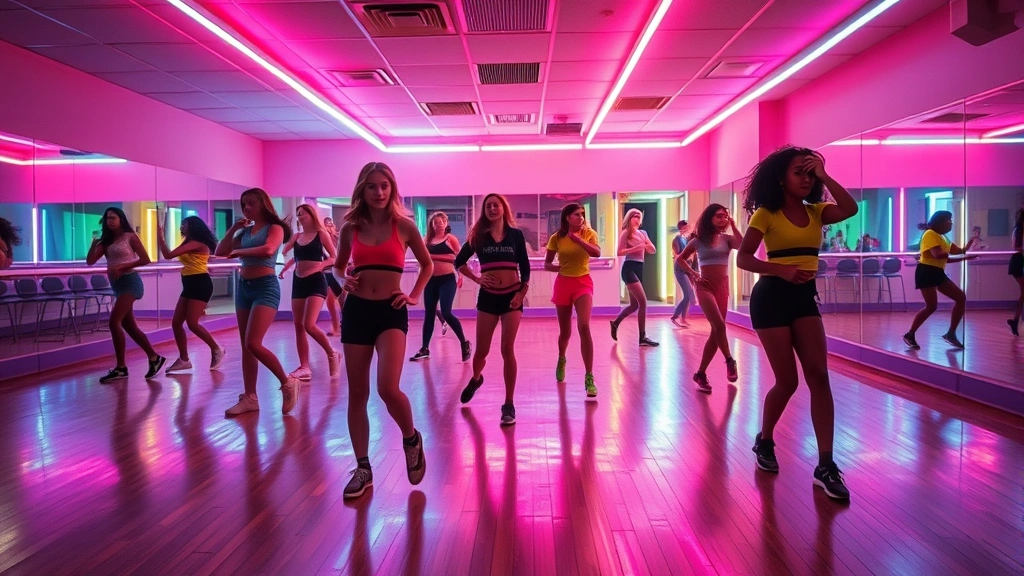
Girls Just Wanna Have Fun: The Enduring Legacy of 80s Film Nostalgia
The 1980s represent a golden era of cinema that continues to captivate audiences decades later. Among the most beloved films of this decade is Girls Just Wanna Have Fun, a movie that perfectly encapsulates the spirit, style, and cultural zeitgeist of the era. This film, released in 1985 and starring Sarah Jessica Parker, became an instant classic that defined a generation’s approach to youth, freedom, and self-expression. The movie’s influence extends far beyond its initial theatrical run, shaping how we remember and romanticize the 1980s today.
What makes Girls Just Wanna Have Fun so significant isn’t just its entertainment value—it’s how the film captured the essence of teenage rebellion and female empowerment during a transformative decade. The soundtrack, choreography, fashion, and narrative all work together to create a time capsule that audiences still gravitate toward. In an era dominated by streaming services and digital media, the resurgence of 80s nostalgia in popular culture demonstrates how certain films transcend their original context to become cultural touchstones. Understanding this phenomenon requires examining the film’s production, cultural impact, and its continued relevance in contemporary media consumption.
The 1985 Phenomenon: Context and Release
Girls Just Wanna Have Fun arrived at a pivotal moment in cinema history. The mid-1980s were characterized by a boom in teen-oriented films, with studios recognizing the demographic’s spending power and cultural influence. Released on April 19, 1985, the film faced competition from other notable releases but quickly found its audience. The movie was directed by Alan Metter and produced by independent producers, giving it a scrappier, more authentic feel compared to some of the more polished studio productions of the era.
The film’s premise—a teenager named Janey Glenn (Sarah Jessica Parker) who wants to audition for a televised dance competition despite her strict, religiously conservative parents—resonated powerfully with audiences. This central conflict between parental authority and teenage autonomy became a recurring theme in 1980s cinema, reflecting broader societal tensions of the period. The movie’s success at the box office wasn’t immediate, but it found tremendous staying power through theatrical re-releases, home video distribution, and later through cable television rotation on channels like MTV and VH1.
What distinguished this film from other teen comedies was its genuine embrace of dance and music as narrative elements rather than mere accessories. The choreography wasn’t an afterthought; it was central to the storytelling. This approach influenced how subsequent filmmakers approached films with musical elements, demonstrating that dance-centered narratives could carry substantial dramatic weight.
Sarah Jessica Parker and the Cast
Sarah Jessica Parker’s performance as Janey Glenn became iconic for an entire generation. At 40 years old during filming (though playing a teenager), Parker brought a sophistication and vulnerability to the role that elevated the material. Her career trajectory demonstrates how a strong performance in a beloved film can create lasting cultural resonance. Before Girls Just Wanna Have Fun, Parker was known primarily for her television work, but this film showcased her range as both an actress and dancer.
The supporting cast proved equally important to the film’s success. Helen Hunt, who would later become a television superstar through Mad About You, played one of Janey’s friends. The ensemble chemistry created an authenticity that younger audiences found relatable. The film also featured Jonathan Silverman in a notable role, and these performances helped establish a template for teen ensemble casts that became standard throughout the decade and beyond.
The actors’ commitment to the choreography was remarkable. Rather than relying solely on dance doubles, the cast members learned extensive routines, giving the musical sequences a coherence and energy that audiences could feel. This dedication to craft influenced how actors approached similar roles in subsequent films, with casting directors increasingly prioritizing physical capability alongside traditional acting skills. When exploring famous movie quotes and moments, many fans cite specific dance sequences from this film as among the most memorable in cinema.
Fashion, Music, and Cultural Impact
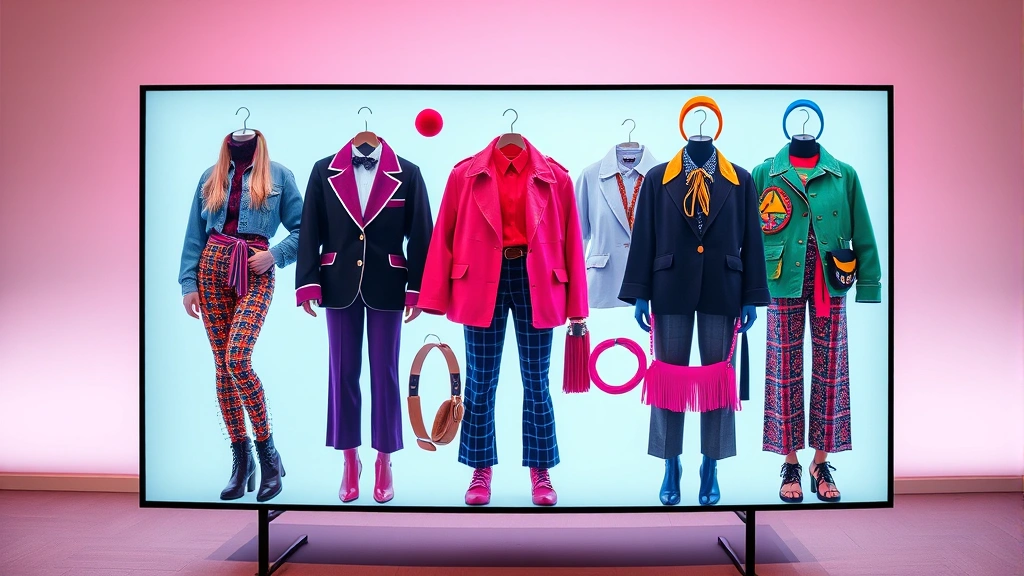
The aesthetic of Girls Just Wanna Have Fun became synonymous with 1980s youth culture. The film’s costume design, created by Marilyn Matthews, featured leg warmers, neon colors, oversized blazers, and accessories that defined the era. These weren’t costumes in the theatrical sense; they were authentic representations of how young people actually dressed during the mid-1980s. The fashion choices made in the film influenced real-world clothing trends, with teenagers seeking out similar pieces to emulate their on-screen heroes.
The musical score and soundtrack played an equally crucial role in the film’s cultural penetration. The title track, performed by Cyndi Lauper (whose music video was released the same year), became inextricably linked with the film despite not being originally written for it. The song’s message of individualism and self-acceptance aligned perfectly with the film’s thematic concerns. Other tracks in the film featured contemporary artists, creating a sonic landscape that captured the pop and new wave sensibilities of the mid-1980s.
Beyond fashion and music, the film’s choreography by Kenny Ortega (who would later create iconic dance sequences for Dirty Dancing) established visual signatures that became associated with 1980s youth culture. The specific style of movement—energetic, geometric, highly stylized—influenced how dance appeared in subsequent films and music videos. Television programs and film critics evaluating dance sequences increasingly referenced this film as a benchmark for quality choreography in narrative cinema.
Why 80s Nostalgia Dominates Today
The resurgence of 1980s nostalgia in contemporary culture isn’t coincidental—it reflects a deliberate cultural cycle. According to Pew Research Center studies on generational media consumption, millennials and younger Gen X audiences who grew up with 1980s culture now occupy significant positions as content creators, marketers, and decision-makers. This demographic actively seeks out and celebrates the media of their childhood, creating a feedback loop that reinforces 80s cultural references across streaming platforms, fashion brands, and entertainment properties.
Girls Just Wanna Have Fun specifically benefits from this nostalgia cycle because it addresses timeless themes through a period-specific lens. The fundamental conflict between parental restriction and teenage autonomy remains relevant across generations. Contemporary audiences can appreciate the film as both a historical artifact and as a story that speaks to universal coming-of-age experiences. The 1980s aesthetic, once considered dated, has been rehabilitated and celebrated as genuinely cool, driving renewed interest in films from the period.
Streaming services have capitalized on this nostalgia, making classic 1980s films readily available to new audiences. When exploring the best movies on Netflix and similar platforms, 80s titles consistently appear in recommendations and curated collections. This accessibility has democratized access to films that might have been difficult to find a decade ago, introducing them to viewers who weren’t born when they were originally released.
The broader cultural embrace of retro aesthetics—evident in fashion, design, and entertainment—creates an environment where films like Girls Just Wanna Have Fun thrive. Nostalgia functions as more than mere sentimentality; it represents a cultural statement about values, authenticity, and a perceived superiority of past eras compared to the present moment.
The Film’s Place in Modern Streaming
The digital revolution has fundamentally altered how audiences discover and engage with classic films. Girls Just Wanna Have Fun now exists in multiple formats and platforms simultaneously—theatrical versions, home video editions, streaming services, and digital rentals. This proliferation means that the film reaches audiences across different demographic groups and viewing contexts. A parent introducing the film to their children experiences it differently than a millennial watching it independently or a Gen Z viewer encountering it for the first time through TikTok clips.
Streaming platforms have recognized the commercial value of 1980s content, actively acquiring licensing rights and promoting these titles to subscribers. The algorithmic recommendations that drive platform engagement increasingly surface films from this era to users with demonstrated interest in nostalgia content. This technological infrastructure essentially amplifies the natural cultural cycle, making 1980s films more visible and accessible than they would be through traditional distribution methods.
The film’s cultural references and memes have proliferated across social media, introducing new audiences to the material in fragmented, decontextualized ways. A dance sequence from Girls Just Wanna Have Fun might appear in a TikTok compilation, prompting viewers to seek out the complete film. This organic discovery process, mediated through digital platforms, creates engagement patterns that traditional media distribution couldn’t achieve.
When considering the best movie review sites for exploring classic cinema, contemporary critics often reassess films like this with fresh perspective, highlighting aspects that original reviewers may have overlooked. This critical reexamination contributes to the film’s cultural rehabilitation and sustained relevance.
Influence on Subsequent Teen Comedies
The template established by Girls Just Wanna Have Fun became foundational for teen comedies throughout the 1980s and beyond. The film demonstrated that audiences would embrace narratives centered on teenage agency, that musical elements could enhance rather than distract from storytelling, and that ensemble casts could carry films through their chemistry and authenticity. Subsequent films like Footloose (1984), Dirty Dancing (1987), and Flashdance (1983) built upon the formula that Girls Just Wanna Have Fun helped establish.
The film’s influence extended to television, with series like Fame (which predated the film but gained renewed popularity afterward) and later shows like Glee drawing inspiration from the dance-centered narrative structure. The idea that high school experiences could be explored through musical performance became a staple of youth-oriented entertainment. Contemporary productions still reference this formula, demonstrating the enduring power of the template established in 1985.
Directors and screenwriters cite Girls Just Wanna Have Fun as influential when discussing their approach to teen narratives. The film’s balance between humor, drama, and spectacle—achieved without excessive sentiment or condescension toward its young characters—set a standard that many subsequent films aspired toward. The ScreenVibe Daily Blog has extensively documented how 80s teen films influenced contemporary cinema, highlighting this film’s particular importance in establishing conventions that persist today.
The film’s treatment of parental conflict as a serious dramatic element rather than mere comedy set it apart from some contemporaries. While the movie doesn’t shy away from humor, it takes Janey’s desire for self-expression seriously, validating her perspective even as it acknowledges her parents’ concerns. This nuanced approach influenced how subsequent filmmakers handled generational conflict in teen narratives.
Modern filmmakers working in similar genres frequently study this film as a masterclass in tone, pacing, and character development. The efficiency with which the narrative establishes character, conflict, and stakes within the first act remains a model for screenwriting instruction. When discussing adaptations and original screenplays, critics often note how original teen comedies like this one sometimes surpass adapted material in authenticity and cultural resonance.
FAQ
What year was Girls Just Wanna Have Fun released?
Girls Just Wanna Have Fun was released on April 19, 1985. The film arrived during a particularly fertile period for teen-oriented cinema, competing with and complementing other notable releases from the mid-1980s.
Who starred in the original film?
Sarah Jessica Parker played the lead role of Janey Glenn, with Helen Hunt and Jonathan Silverman in supporting roles. The ensemble cast was crucial to the film’s success, creating authentic chemistry that resonated with audiences.
Is the film available on streaming services?
Yes, Girls Just Wanna Have Fun is available on various streaming platforms and through digital rental services. Availability varies by region and platform, but the film’s popularity ensures regular presence across major streaming services. Check your preferred platforms for current availability.
What made this film significant in 1980s cinema?
The film captured the essence of 1980s youth culture through its fashion, music, choreography, and narrative focus on teenage autonomy. It demonstrated that dance-centered narratives could carry substantial dramatic weight and established a template for teen comedies that persisted for decades.
How does the film hold up for contemporary audiences?
Modern viewers appreciate the film both as a historical artifact and as a story addressing universal coming-of-age themes. The 1980s aesthetic has been rehabilitated culturally, and the film’s themes of self-expression and parental conflict remain relevant. Contemporary audiences often discover the film through streaming services and social media, finding it both entertaining and nostalgic.
What is the film’s legacy in popular culture?
Girls Just Wanna Have Fun remains a cultural touchstone that defined 1980s youth cinema. Its influence extends to contemporary films and television, with filmmakers regularly referencing its approach to teen narratives, choreography, and ensemble storytelling. The film exemplifies how certain movies transcend their original era to achieve lasting cultural significance.


