
Bollywood’s Global Impact: Expert Insights on Hindi Movie Dominance
Bollywood has transcended geographical boundaries to become a cultural phenomenon that shapes entertainment consumption worldwide. What began as regional cinema in Mumbai has evolved into a multi-billion dollar industry that influences fashion, music, storytelling conventions, and digital media strategies across continents. The global reach of Hindi movies represents more than commercial success—it reflects a fundamental shift in how non-English language content commands international attention and builds devoted fan communities.
The expansion of streaming platforms, strategic international partnerships, and a new generation of filmmakers willing to blend traditional narratives with contemporary sensibilities have positioned Bollywood at the forefront of global entertainment discourse. Industry experts now recognize that understanding Bollywood’s trajectory provides crucial insights into the future of international cinema, audience behavior, and the economics of cultural exports. This comprehensive analysis explores how Hindi movie production has achieved unprecedented global penetration while maintaining its distinctive artistic identity.
The Evolution of Bollywood as a Global Entertainment Force
Bollywood’s journey from regional Indian cinema to global entertainment powerhouse spans decades of strategic evolution and cultural adaptation. The industry emerged from Mumbai’s film studios in the early twentieth century, but it wasn’t until the late 1990s and early 2000s that Hindi movies began achieving consistent international recognition. Films like Dilwale Dulhania Le Jayenge and Kabhi Khushi Kabhie Gham demonstrated that Bollywood narratives possessed universal emotional resonance, particularly among diaspora communities seeking cultural connection.
According to Pew Research Center studies on global media consumption, the appetite for non-English language content has grown exponentially over the past fifteen years. Bollywood capitalized on this trend by producing films that balanced traditional Indian values with cosmopolitan storytelling. The industry’s willingness to explore themes of immigration, identity negotiation, and cross-cultural romance created narrative bridges that resonated with audiences far beyond India’s borders.
Expert analysts from major media institutions note that Bollywood’s global ascendancy coincided with technological infrastructure improvements. International theatrical releases, satellite broadcasting, and eventually streaming availability transformed Hindi movies from niche products into mainstream entertainment options. The industry’s annual output of approximately 1,500 films provided consistent content supply, ensuring that international audiences had regular access to new Bollywood productions across multiple genres and styles.
Streaming Platforms and the International Distribution Revolution
The arrival of subscription-based streaming services fundamentally altered Bollywood’s global distribution landscape. Netflix, Amazon Prime Video, and specialized platforms like Hotstar democratized access to Hindi movie catalogs, eliminating geographical and temporal barriers that previously restricted international viewership. Where theatrical releases once required coordinated international marketing campaigns and physical distribution infrastructure, streaming platforms enabled simultaneous global availability with minimal logistical overhead.
Data from Statista’s streaming market analysis reveals that Indian-language content represents the fastest-growing segment on major platforms. Netflix’s investment in Hindi movie production and acquisition exceeded $1 billion annually by 2023, signaling institutional confidence in Bollywood’s revenue-generating potential. Amazon Prime Video similarly expanded its Hindi content library, recognizing that Bollywood productions attract premium subscribers across North America, Europe, and the Middle East.
This streaming revolution enabled a paradoxical outcome: while theatrical releases declined in importance for certain film categories, the total global audience for Hindi movies expanded dramatically. A film that might have attracted limited international theatrical distribution could now reach hundreds of millions of potential viewers simultaneously. Streaming platforms also provided granular viewership data, allowing producers to understand which narrative elements, genres, and storytelling approaches resonated most strongly with international audiences. Check our best movies on Netflix for current Bollywood recommendations.
The economics of streaming fundamentally altered production incentives. Where theatrical releases demanded A-list actors and massive budgets, streaming platforms proved willing to fund experimental narratives and emerging talent. This diversification created space for Bollywood to explore stories that traditional theatrical models might have rejected as commercially risky, expanding the industry’s thematic range and international appeal.
Cultural Resonance and Diaspora Audiences
The Indian diaspora represents Bollywood’s most consistent international audience segment, but the relationship between Hindi movies and diaspora communities has evolved considerably. Initially, diaspora audiences sought entertainment that maintained cultural continuity and linguistic familiarity. Bollywood provided accessible narratives in Hindi and English, often centered on family dynamics, cultural preservation, and navigation of dual identities that directly reflected diaspora experiences.
Contemporary Bollywood increasingly addresses diaspora audiences as sophisticated consumers capable of appreciating both traditional and experimental storytelling. Films no longer rely exclusively on nostalgia or cultural reinforcement; instead, they explore complex diaspora realities including identity fragmentation, generational conflict, and the psychological dimensions of cultural displacement. This narrative maturation has attracted diaspora viewers seeking authentic representation rather than simplified cultural mirrors.
Research from The Hollywood Reporter’s international media analysis indicates that diaspora audiences now represent approximately 40-50% of Bollywood’s international theatrical revenue, with streaming audiences showing different demographic distributions. Significantly, Hindi movie consumption has expanded beyond traditional diaspora populations to include audiences with no direct Indian heritage or linguistic connection. This expansion reflects the universal emotional accessibility of Bollywood narratives and the industry’s successful adaptation to global storytelling conventions.
The diaspora’s economic purchasing power has attracted significant investment and production attention. Filmmakers now strategically develop narratives with diaspora resonance, understanding that this audience segment demonstrates high engagement rates and willingness to consume multiple formats—theatrical releases, streaming, merchandise, and social media content. Explore our ScreenVibe Daily Blog for deeper analysis of diaspora media consumption patterns.
Economic Impact and Industry Growth Metrics
Bollywood’s economic significance extends far beyond film production revenues. The industry generates substantial income through ancillary markets including music licensing, merchandise sales, tourism, and cultural consulting. The global Hindi movie market was valued at approximately $2.3 billion in 2023, with projections suggesting 8-12% annual growth through 2030. This growth trajectory positions Bollywood among the world’s fastest-expanding film industries.
International theatrical releases contribute approximately $300-400 million annually, with North America, United Kingdom, and Middle East markets representing the largest revenue sources. However, streaming revenue has begun exceeding theatrical income for many producers, particularly in the Hindi language segment. Production budgets for international-targeted Hindi movies have increased substantially, with prestige productions now commanding budgets comparable to mid-budget Hollywood productions.
The industry’s economic expansion has attracted significant foreign investment. International production companies, streaming platforms, and media conglomerates have established dedicated Bollywood divisions, recognizing Hindi movie production as a strategically important investment category. This capital influx has enabled production quality improvements, expanded technological capabilities, and increased compensation for creative talent, creating competitive advantages in international talent recruitment.
Employment generation represents another significant economic dimension. The Bollywood production ecosystem employs hundreds of thousands of individuals across technical, creative, and administrative roles. International expansion has created additional employment opportunities in dubbing, subtitling, localization, and international marketing functions. Several Indian cities beyond Mumbai have developed film production infrastructure specifically designed to support international Bollywood projects.
Storytelling Innovation and Genre Expansion
Contemporary Bollywood demonstrates remarkable narrative diversity, moving beyond the romantic comedy and family drama templates that historically dominated the industry. Hindi movie producers now confidently explore psychological thrillers, science fiction narratives, horror genres, and experimental storytelling approaches previously considered incompatible with Bollywood conventions. This genre expansion directly responds to international audience expectations and streaming platform requirements for diverse content portfolios.
Filmmakers like Ari Aster-influenced horror directors and Nolan-adjacent thriller specialists have emerged from the Bollywood ecosystem, demonstrating that Hindi cinema can compete effectively in genres traditionally dominated by Western productions. The success of psychological thrillers like Article 15 and experimental narratives proves that international audiences will engage with Hindi-language content across diverse genres when production quality and storytelling sophistication meet international standards.
The integration of global storytelling conventions with distinctly Indian cultural elements has created a hybrid narrative model that resonates internationally while maintaining cultural authenticity. Hindi movies increasingly feature ensemble casts representing diverse Indian communities, acknowledging the subcontinent’s linguistic and cultural plurality. This inclusive approach broadens both domestic and international appeal, positioning Bollywood as representative of India’s complex multicultural reality rather than a monolithic cultural product.
Streaming platforms have accelerated this narrative innovation by funding experimental projects that theatrical models might have rejected. Limited series, anthology formats, and non-linear storytelling approaches have found enthusiastic audiences, expanding the possibilities for Hindi-language narrative expression. These innovations position Bollywood at the forefront of global entertainment experimentation, challenging Western narrative hegemony and demonstrating alternative storytelling possibilities.
The Role of Social Media and Digital Marketing
Social media has become central to Bollywood’s international expansion strategy, enabling direct audience engagement and organic viral content distribution. Hindi movie promotional campaigns now strategically leverage TikTok, Instagram, YouTube, and emerging platforms to build anticipation and reach younger demographics with minimal marketing expenditure. Behind-the-scenes content, actor interactions, and user-generated content campaigns create parasocial relationships that extend audience investment beyond theatrical releases.
Digital marketing analytics reveal that Bollywood content generates disproportionately high engagement rates on social platforms compared to Western film industries. Hindi movie trailers regularly achieve hundreds of millions of views, with engagement metrics suggesting authentic audience enthusiasm rather than algorithmic manipulation. This organic reach demonstrates genuine international interest in Bollywood productions and validates the industry’s strategic social media investments.
Influencer partnerships have become increasingly sophisticated, with major productions collaborating with international content creators to reach non-traditional demographics. These partnerships introduce Hindi movies to audiences who might not actively consume Indian cinema, expanding the potential audience base. The economics of influencer marketing have proven significantly more cost-effective than traditional international advertising campaigns while generating superior engagement metrics.
TikTok’s algorithm particularly favors short-form Bollywood content, with dance sequences, dialogue excerpts, and music clips achieving viral distribution across diverse audience segments. This platform success has influenced production decisions, with filmmakers increasingly incorporating TikTok-friendly content into narrative structures. The platform’s global reach has transformed Bollywood music and dance sequences into genuine international cultural phenomena, extending the industry’s influence beyond traditional film audiences.
Challenges and Future Trajectories
Despite unprecedented global success, Bollywood confronts significant structural challenges that may impact future international expansion. The industry’s financial model remains heavily dependent on domestic Indian box office revenues, creating vulnerability to international market fluctuations. Production financing for international-targeted Hindi movies remains more difficult to secure than equivalent Hollywood productions, despite improving availability of capital.
Talent recruitment and retention present ongoing challenges. International success has created opportunities for Indian actors and filmmakers to pursue Hollywood careers, with several prominent Bollywood figures transitioning to English-language productions. Retaining creative talent within the Hindi film industry requires competitive compensation and international prestige recognition that Bollywood has only recently begun achieving.
Quality control remains inconsistent, with significant production variation between major studios and independent producers. International audiences increasingly expect consistent production standards, and Bollywood’s reputation for occasional technical deficiency may limit audience expansion among demographics with high quality expectations. Addressing this perception requires sustained investment in production infrastructure and technical training.
Representation and diversity issues continue generating criticism. While Bollywood has improved significantly, the industry faces ongoing scrutiny regarding caste representation, gender dynamics, and LGBTQ+ inclusion. International audiences increasingly demand progressive representation, and Bollywood’s ability to address these concerns while maintaining cultural authenticity will significantly impact future international reception.
Regulatory challenges present emerging obstacles. Several international markets have implemented quotas or restrictions on non-English language content, potentially limiting Bollywood’s distribution advantages. Geopolitical tensions between India and certain countries occasionally impact theatrical release accessibility. The industry must develop strategies to navigate these regulatory environments while maintaining international distribution networks. Consider exploring our movies coming out in 2025 and 2026 for upcoming Bollywood releases.
Artificial intelligence and technological disruption may fundamentally alter production economics. AI-assisted dubbing, localization, and even content creation could reduce production costs while expanding content availability. However, these technologies also present risks regarding creative authenticity and employment displacement within the industry.
The future trajectory suggests continued international expansion alongside increased competition from other non-English language film industries. Korean, Japanese, and Spanish-language productions have achieved significant international recognition, potentially fragmenting the global market for non-English content. Bollywood’s ability to maintain competitive advantage depends on continued narrative innovation, production quality improvement, and strategic adaptation to evolving audience preferences and technological infrastructure.
Industry experts anticipate that Bollywood will increasingly position itself as a primary source of global entertainment content rather than a regional or diaspora-focused industry. This positioning requires sustained investment in production quality, narrative innovation, and international marketing infrastructure. The convergence of technological capability, capital availability, and audience demand suggests that Hindi movies will continue expanding their international footprint, potentially achieving parity with English-language productions in certain demographic segments and geographic markets.
Several emerging trends support optimistic projections. The success of Indian-origin creators in Hollywood has created bridge figures capable of facilitating Bollywood-Hollywood collaborations. International production companies increasingly recognize Hindi-language content as strategically important investment categories. Younger audiences demonstrate greater openness to non-English language entertainment, suggesting demographic tailwinds for Bollywood expansion. For comprehensive film analysis and recommendations, check our best movie review sites guide.
FAQ
What defines Bollywood versus other Hindi movie industries?
Bollywood specifically refers to the Mumbai-based film industry producing primarily Hindi-language commercial cinema. While other Indian film industries produce regional language content (Tamil, Telugu, Kannada), Bollywood maintains the largest production volume, biggest budgets, and most extensive international distribution infrastructure. The term encompasses not just films but the entire entertainment ecosystem including music, fashion, and celebrity culture centered on Hindi movie production.
How have streaming platforms changed Bollywood’s international presence?
Streaming platforms eliminated geographic distribution barriers, enabling simultaneous global availability for Hindi movies. They reduced the importance of theatrical release coordination and provided granular viewership data informing production decisions. Platforms like Netflix and Amazon invested billions in Hindi content production, validating Bollywood’s international commercial viability. Streaming also enabled experimental narratives that theatrical models might have rejected, expanding the industry’s thematic range. Visit our best movie quotes collection for memorable Hindi cinema dialogue.
Which international markets represent Bollywood’s largest audience segments?
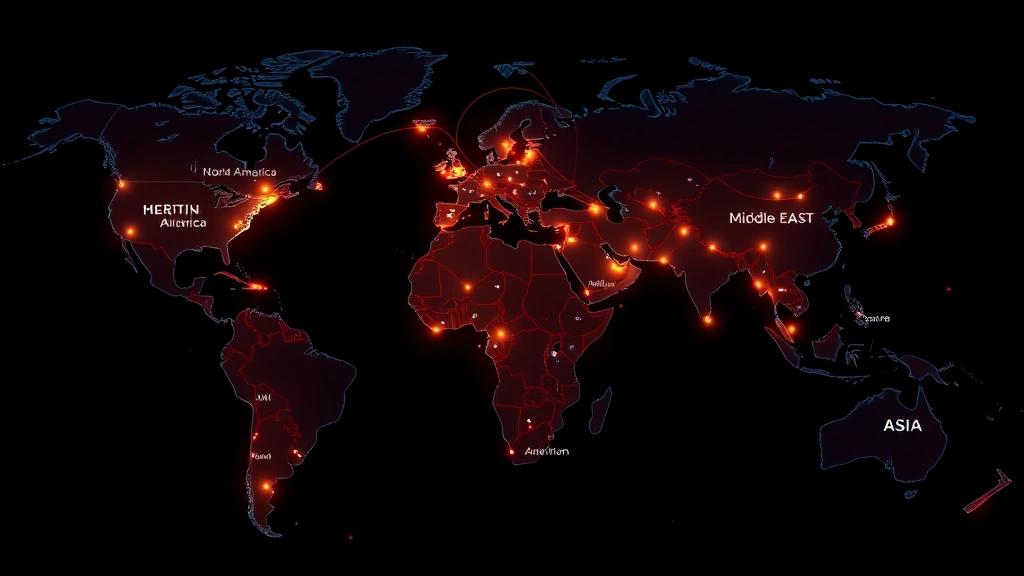
North America, United Kingdom, Middle East, Southeast Asia, and South Africa represent Bollywood’s largest international markets. The Indian diaspora concentrates in these regions, but non-diaspora audiences have increasingly engaged with Hindi movie content. North America generates the largest theatrical revenue, while streaming audiences show different geographic distributions with significant engagement from European and Asian markets previously underrepresented in theatrical releases.
How does Bollywood address cultural authenticity while appealing to international audiences?
Contemporary Bollywood balances cultural specificity with universal emotional resonance. Filmmakers incorporate distinctly Indian narrative elements, cultural values, and aesthetic approaches while exploring themes—family dynamics, identity, ambition—that resonate across cultural boundaries. The industry increasingly acknowledges India’s multicultural complexity through diverse casting and narrative representation, positioning Hindi movies as authentically Indian rather than homogenized for international consumption.
What production quality standards must Bollywood maintain for international competitiveness?
International audiences expect cinematography, sound design, editing, and visual effects comparable to mid-to-high budget Hollywood productions. Bollywood has substantially improved technical capabilities, but quality inconsistency remains a perception issue. Sustained investment in production infrastructure, technical training, and quality control processes will determine whether Bollywood achieves consistent international recognition as technically sophisticated cinema.
How do economic factors influence Hindi movie production decisions?
Production budgets, financing availability, and expected revenue streams directly shape narrative development and genre selection. International streaming investments have enabled experimental projects, while theatrical release economics favor established star power and proven genres. Exchange rates, international market performance, and capital availability significantly impact production scale and international targeting strategies. The increasing availability of foreign investment has expanded production possibilities while potentially creating pressure toward commercially conservative decision-making.


