Table of Contents
Introduction
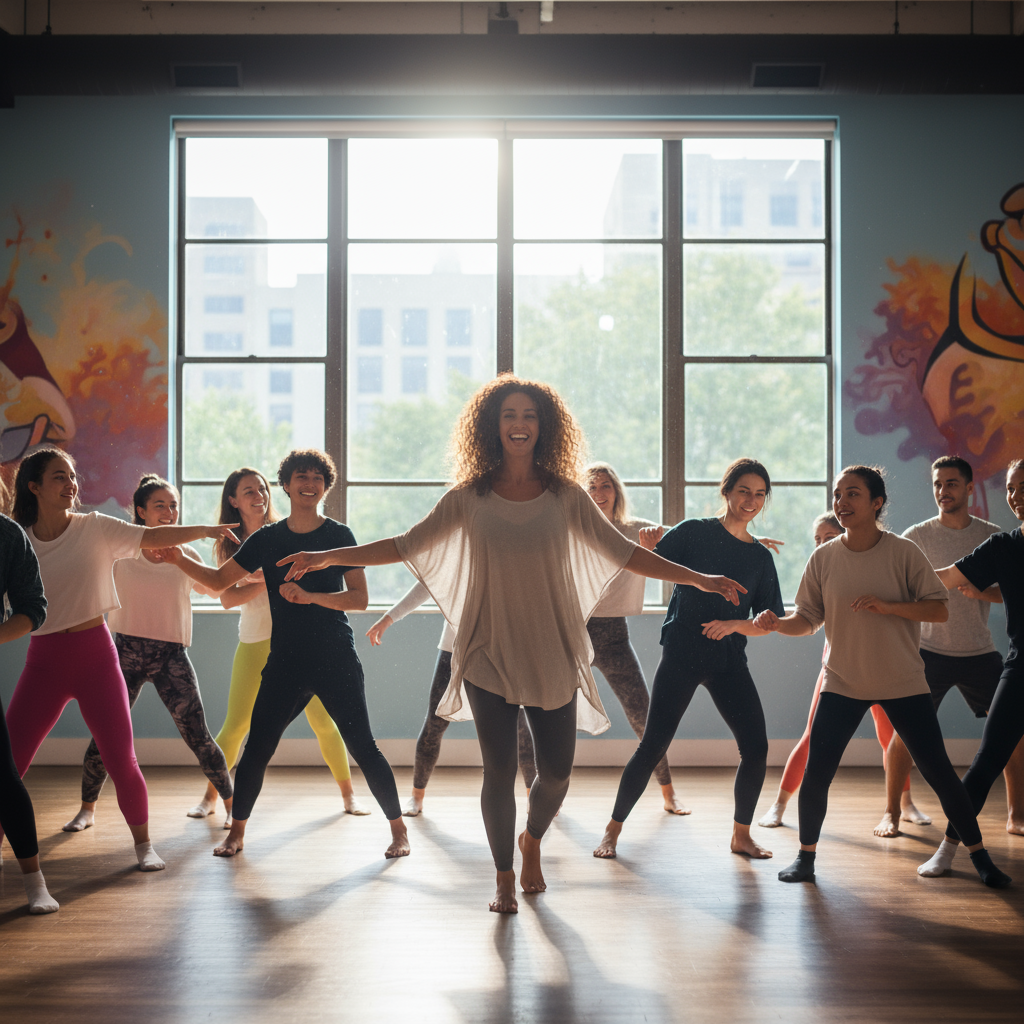
Picture this: you’re watching someone nail a perfect pirouette, and you feel that familiar spark—the same one that got you into dance in the first place. Now imagine being the person who helped them get there. That’s the magic of becoming a dance instructor. It’s not just about teaching steps (though that’s important too). You’re shaping confidence, building discipline, and sometimes—if you’re really lucky—watching someone discover they’re capable of way more than they ever imagined.
Here’s what most people don’t realize about dance instruction: sure, you need to know your technique inside and out. But the real game-changer? Learning how to connect with a shy six-year-old who’s afraid to move, or helping a teenager find their voice through movement. Dance instructors wear many hats—teacher, mentor, cheerleader, and sometimes therapist all rolled into one. And honestly, understanding how to build your skills and reputation in any creative field gives you a serious edge. Because let’s face it—this industry can be competitive, and the instructors who thrive are the ones who know how to stand out while genuinely caring about their students.
But before we dive into the nitty-gritty details, let’s talk about what you’re really signing up for. Dance instruction goes way beyond counting beats and correcting posture. You’re facilitating something deeper—creativity, self-expression, and that incredible moment when movement becomes art. Many dance instructors actually start by exploring various artistic paths in entertainment before finding their calling in the studio. That diverse background? It’s pure gold when you’re trying to keep classes fresh and engaging for students who learn in completely different ways.
And here’s something they don’t tell you in dance school: your education never really stops. The best instructors I know are constantly learning—new techniques, better teaching methods, even seemingly unrelated skills that make them more well-rounded. Take music marketing for performers, for example. Understanding how artists build and maintain their audience can transform how you attract students and keep them coming back. It’s these extra layers that separate good instructors from great ones.
What You’ll Learn in This Guide
Ready to turn your passion into a profession? We’re going to walk through everything you need to know—from the skills that matter most to the credentials that actually open doors. No fluff, just the real deal about building a dance career that lasts.
- Understanding the Role: Learn what a dance instructor does daily, including teaching techniques, class management, and adapting lessons for different skill levels.
- Educational Pathways: Discover the formal dance training and academic courses that will prepare you to teach effectively and confidently.
- Certification and Credentials: Explore the available certification programs, what they entail, and how they can enhance your credibility and opportunities.
- Building Your Career: Understand how to gain teaching experience, market your skills, find jobs, or even start your own dance studio for a sustainable career.
Throughout this journey, you’re going to discover there’s so much more to dance instruction than you might expect. We’ll cover everything from the educational foundation you’ll want to build to that nerve-wracking (but exciting!) moment when you step into your first teaching role. The goal? Making sure you’re not just prepared—you’re confident, capable, and ready to make a real difference in your students’ lives.
First up, we’ll dive deep into what kind of training actually matters. Formal dance education? Absolutely crucial. But we’ll also explore those extra academic qualifications that can set you apart. And if you’re curious about how the broader entertainment world connects to dance, you’ll love learning about starting a music band—because understanding rhythm and performance from a musician’s perspective can seriously elevate your teaching game.
Then we’ll get into the skills that really matter—and spoiler alert, it’s not just about being able to demonstrate a perfect grand jeté. Communication, patience, adaptability—these are the qualities that turn good dancers into exceptional teachers. We’ll also break down the certification landscape (because yes, credentials matter), and give you the inside scoop on building your career from the ground up. Whether you’re planning to join an established studio or dreaming of opening your own space, we’ve got strategies that work. This is your roadmap to a dance career that’s not just successful, but deeply fulfilling. Let’s get started.
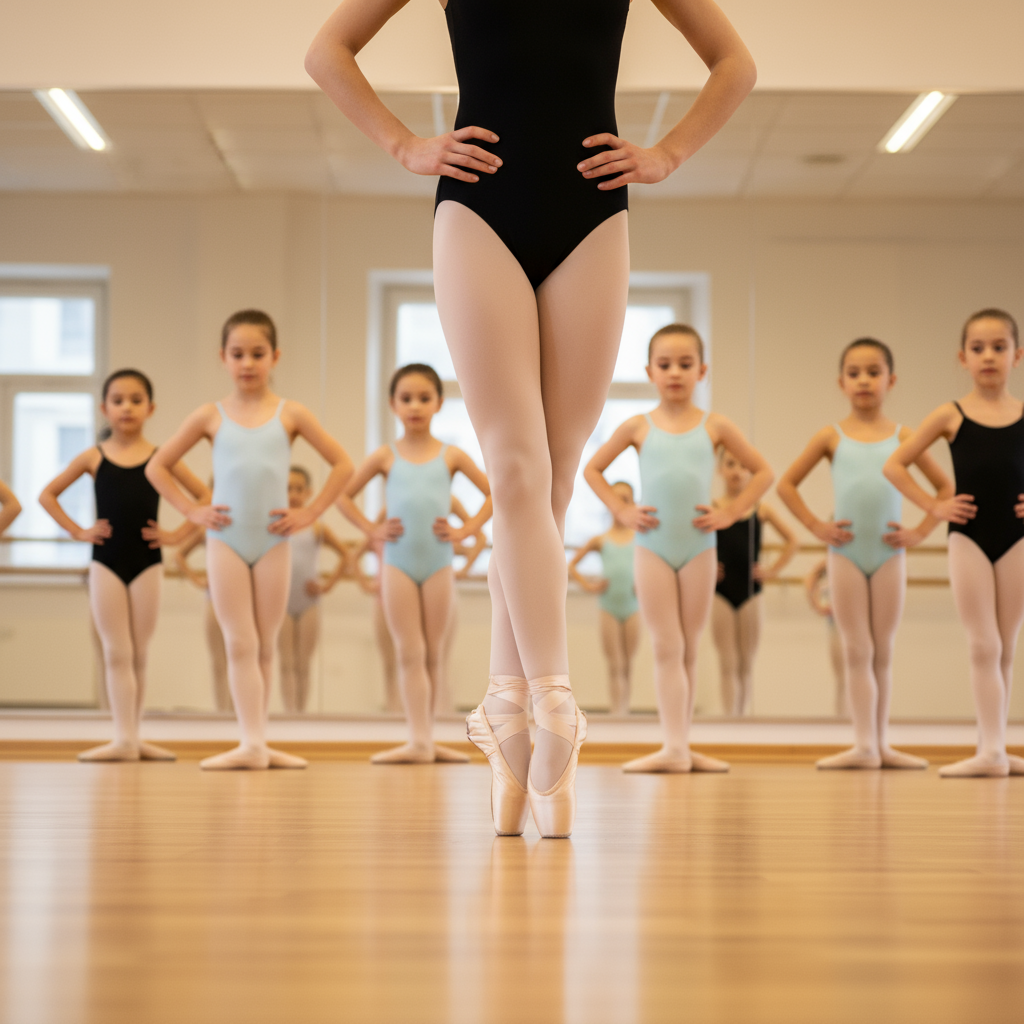
So you want to teach dance? That’s amazing! There’s something magical about turning your passion for movement into a career where you get to inspire others every single day. But here’s the thing—loving dance and knowing how to teach it are two very different skills. You’ll need both to make it work. The good news? With the right preparation and some hands-on experience, you can absolutely build a thriving career as a dance instructor. Let’s walk through what it really takes to get there, starting with the education side of things and then diving into how you actually land those teaching gigs.
Educational Requirements for Aspiring Dance Instructors
First things first: you need solid dance training. I’m talking about more than just being good at one style. The best instructors have trained in multiple dance forms because, trust me, your students are going to surprise you with what they want to learn. Professional dance schools and academies are your best bet here—they give you structure, access to experienced teachers, and plenty of performance opportunities. Plus, you’ll be learning alongside other serious dancers, which pushes you to grow faster than you would on your own.
But don’t stop at just dance classes. This might sound surprising, but some of the most effective instructors I know have backgrounds in anatomy, kinesiology, or education. Why? Because understanding how bodies move (and how people learn) makes you a way better teacher. You’ll know how to prevent injuries, adapt movements for different skill levels, and actually explain concepts instead of just saying “do what I do.” Many certification programs actually require this kind of academic background, so it’s worth considering even if you’re not planning to get certified right away.
Key Aspects of Educational Preparation
Here’s what you should focus on as you’re building your educational foundation:
- Formal Dance Training Variety: Don’t just stick to your favorite style. Jazz, ballet, contemporary, hip-hop—the more you know, the more versatile you’ll be as an instructor. Students love teachers who can adapt and bring different elements into their classes.
- Participation in Dance Academies: Serious dance schools aren’t just about technique. They teach you how to perform under pressure, work with different teaching styles, and build the confidence you’ll need when you’re standing in front of your own class.
- Supplementary Academic Knowledge: Those anatomy and education courses might seem boring now, but they’re game-changers. You’ll understand why certain movements feel hard, how to spot potential injuries, and how to actually help students improve instead of just correcting them.
- Certification and Credentials: Not always required, but they definitely help. Certification shows studios (and parents) that you take teaching seriously and know what you’re doing. It’s an investment that usually pays off in better job opportunities.
Once you’ve got your educational foundation sorted, you’re ready for the fun part—actually getting out there and teaching. But experience doesn’t just happen overnight, and there are smart ways to build it up.
Gaining Experience and Building a Dance Instruction Career
Here’s where the real learning begins. You can study dance theory all day, but until you’re standing in front of a group of eight-year-olds (or adults, for that matter) trying to explain a pirouette, you don’t really know what teaching is like. Start by assisting experienced instructors at local studios. Shadow them, help with demonstrations, and gradually take on more responsibility. Most studios are happy to have extra help, and it’s the best way to learn classroom management without the pressure of being fully in charge.
Don’t overlook community opportunities either. Volunteer to teach at community centers, summer camps, or after-school programs. The pay might not be great (or nonexistent), but you’ll gain confidence and learn how to work with different age groups and skill levels. Plus, word of mouth in the dance community is powerful—today’s volunteer gig could lead to tomorrow’s paid position.
Eventually, you might want to think bigger. Starting your own studio is a huge step, but it’s not just about dance anymore—you’re running a business. You’ll need to understand marketing, manage finances, and create an environment where students actually want to come back. It’s challenging, but there’s nothing quite like the independence of building something that’s truly yours.
Key Aspects of Gaining Experience and Career Building
Here’s your roadmap for turning training into a real career:
- Internships and Assistant Roles: This is where you learn the stuff they don’t teach in dance class—like how to handle a student who’s having a meltdown, or how to keep a class engaged when they’re clearly not feeling it. Watch experienced teachers closely and ask questions.
- Volunteering and Community Engagement: Community classes are perfect for experimenting with your teaching style. Plus, you’ll build a network of people who believe in you, which is incredibly valuable when you’re starting out.
- Job Search and Networking Strategies: Dance is a relationship business. Go to performances, join professional associations, and actually talk to people at dance events. Many jobs never get posted online—they go to people the studio already knows and trusts.
- Starting Your Own Studio: If you go this route, remember that being a great dancer and being a great business owner are different skill sets. Take some business courses, learn about marketing, and be prepared for the fact that you’ll spend a lot of time on non-dance tasks, especially in the beginning.
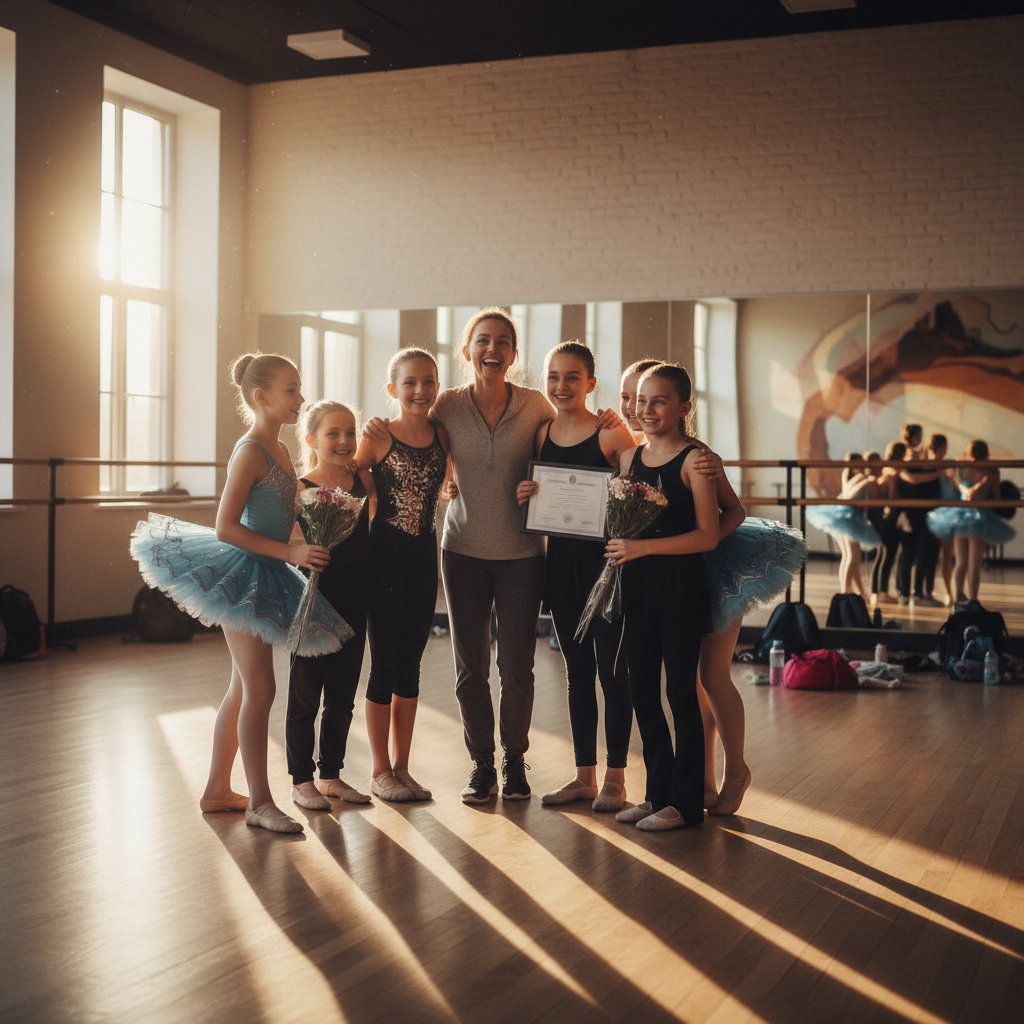
So you want to become a dance instructor? Here’s the thing—it’s one of those careers that’ll change your life in ways you never expected. Sure, you’ll teach choreography and technique. But you’ll also become a confidence builder, a creative spark, and sometimes even a life coach. Whether you’re working with shy five-year-olds taking their first ballet steps or adults finally pursuing their dream of learning salsa, you’re shaping more than just dance moves. You’re helping people discover what their bodies can do.
Let’s talk about what actually makes a great dance instructor. (Spoiler alert: it’s not just about being the best dancer in the room.) You need rock-solid training across multiple dance styles—that’s your foundation. Think of respected dance academies as your launching pad, and never stop learning. But here’s what they don’t always tell you: the magic happens in how you communicate. Can you break down a complex movement into bite-sized pieces? Do you have the patience to explain something fifteen different ways until it clicks? Can you read a room and adjust when someone’s struggling? That adaptability? It’s everything.
Now, about those credentials. Do you absolutely need certification to teach dance? Not always. But here’s my advice—get them anyway. Why? Because they open doors and give both you and your students confidence. Plus, gaining real teaching experience through internships or assisting other instructors is like getting paid to learn. (Trust me, classroom management is an art form you’ll want to practice before you’re flying solo.)
Ready to actually start your career? You’ve got options. Maybe you’ll hunt for positions at established studios, which means diving into the local dance community and networking like your career depends on it (because it kind of does). Or perhaps you’re the entrepreneurial type who dreams of opening your own studio. Fair warning: that path requires you to become part artist, part business owner. You’ll need to master everything from marketing to managing client relationships. It’s challenging, but incredibly rewarding when you create that perfect space where students thrive.
Want some actionable next steps? Start by expanding your dance training—versatility is your superpower in this field. Hunt down those certification courses when you can. They’re worth the investment. Get your hands dirty by assisting experienced instructors or volunteering with community programs. You’ll be amazed how much you learn just by watching seasoned pros handle different situations. And don’t underestimate the power of showing up—attend performances, join dance organizations, make connections. The dance world is smaller than you think, and relationships matter.
Here’s what I want you to remember: every dancer you’ll ever teach started exactly where you are right now—with a dream and the willingness to take that first step. As a dance instructor, you’re not just teaching movement. You’re giving people permission to express themselves, to take up space, to feel powerful in their own skin. That five-year-old who’s afraid to leap might become the teenager who uses dance to work through tough emotions. That adult beginner might discover a passion that transforms their entire outlook on life. Your influence ripples out in ways you’ll never fully know, but trust me—it matters more than you can imagine.
Frequently Asked Questions
-
What qualifications do I need to become a dance instructor?
- Typically formal dance training, some certifications, and strong teaching skills are needed.
-
Is certification required to teach dance?
- Certification is not always mandatory but greatly enhances credibility and job opportunities.
-
How can I get teaching experience as a new instructor?
- Internships, assistant roles, and volunteering are great ways to build experience.
-
Can I start my own dance studio?
- Yes, with adequate experience and planning, opening a studio is a viable career path.
-
What skills are most important for a dance instructor?
- Communication, patience, adaptability, and physical fitness are key skills.