
Table of Contents
Introduction
So you want to start a band? That’s awesome. There’s something magical about getting together with a group of people who just *get* music the way you do. Picture this: you’re all crammed into someone’s garage, instruments everywhere, and suddenly—boom—that perfect chord progression hits. The hair on your arms stands up. That’s the moment you know you’re onto something special.
Music connects us in ways that words alone never could. It tells stories, breaks down walls, and sometimes makes us ugly-cry in the best possible way. But here’s the thing about starting a band—it’s not just about being talented (though that helps). You’ve got to figure out who you’re doing this with, what your sound is, and how the heck you’re going to make it all work. Want some inspiration? Check out the best music documentaries out there. Seriously, these films will show you the real deal—the late nights, the breakthrough moments, and yes, the drama that comes with chasing your musical dreams.
Here’s something cool though—starting a band opens up way more doors than you might think. Maybe you’re killer at vocals but also have a knack for voice work. Cross-training in entertainment skills isn’t just smart; it’s fun. This complete guide on becoming a voice actor breaks down everything from training to gear, and honestly? The skills overlap more than you’d expect. Plus, having multiple creative outlets keeps things fresh when band practice gets intense.
You know what’s funny? Building a band is a lot like making a short film. Bear with me here. Both require a shared vision, people who can work together under pressure, and the ability to roll with the punches when things don’t go as planned. (And trust me, they rarely do.) The creative process behind how to make a short film actually teaches you a ton about collaboration and storytelling—skills that’ll serve your band well when you’re trying to craft that perfect setlist or navigate creative differences.
Want a fun way to bond with your future bandmates and work on your chops? Karaoke nights. I’m not kidding. There’s something about belting out crowd favorites that breaks down barriers and gets everyone comfortable being a little ridiculous together. The best karaoke songs of 2025 can give you ideas for covers, help you gauge each other’s range, and honestly, just provide some much-needed laughs during those early, awkward rehearsals.
What You’ll Learn in This Guide
Alright, let’s get down to business. We’re going to walk through everything you need to know to get your band off the ground. No fluff, no theory—just practical stuff that actually works. Here’s what we’re covering:
- Choosing Band Members: How to find people who won’t drive you crazy (most of the time) and actually show up when they say they will.
- Defining Your Music Style: Figuring out your sound without having a creative meltdown—whether you’re going original, doing covers, or mixing both.
- Practice and Performance Strategies: Setting up rehearsals that don’t suck, picking songs that work, and getting comfortable on stage without wanting to hide.
- Managing Band Logistics: The not-so-glamorous stuff—gear, practice space, who’s bringing the amp, and how to handle money without ruining friendships.
Look, starting a band isn’t just about the music (though obviously that’s the fun part). You’re also building something that people will hopefully want to watch, follow, and support. Understanding marketing communication strategies might sound boring, but think of it as learning how to tell your story better. How do you get people excited about your sound? How do you connect with venues? How do you build a fan base that actually cares? This stuff matters more than you think.
Ready to dive in? Over the next sections, we’re going to break down everything from finding the right people to getting your first gig. We’ll talk about real challenges you’ll face (like that one person who’s always late to practice) and give you concrete steps to handle them. Whether you’re dreaming of selling out arenas or just want to play some killer house parties, the foundation is the same. Let’s build something amazing together—your sound, your way, your band.
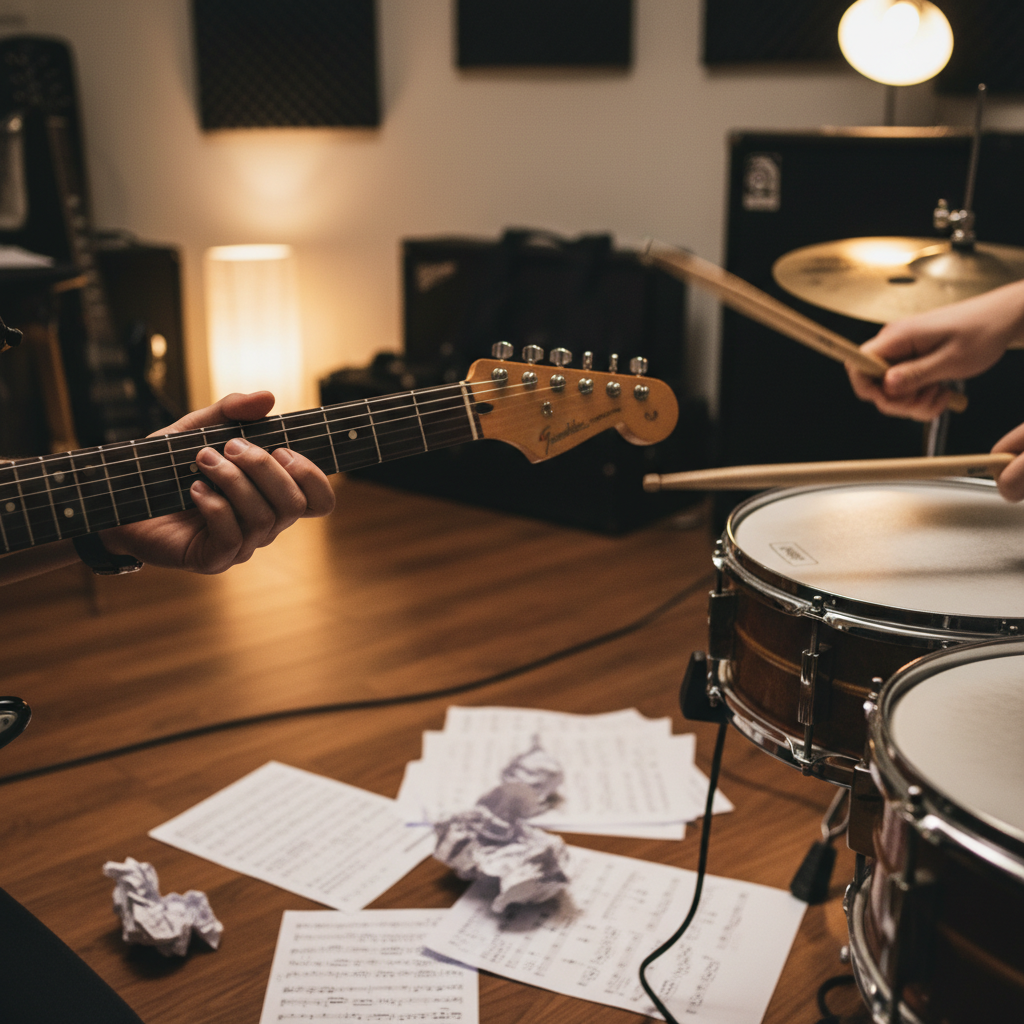
Starting a music band? Buckle up—you’re in for one hell of a ride. Sure, it’s all about passion and creativity, but here’s what most people don’t tell you: it’s also about making some seriously smart decisions early on. We’re talking about the kind of choices that can make or break your musical dreams before you even get to your first gig. Let’s dig into the two biggest game-changers: finding the right people to jam with and figuring out what your band actually sounds like.
Choosing the Right Band Members
Here’s the truth nobody wants to admit—talent isn’t everything. You could have the most technically gifted guitarist in town, but if they show up to practice whenever they feel like it (or worse, turn every rehearsal into their personal ego trip), your band’s going nowhere fast. The magic happens when you find people who not only know their way around their instruments but actually give a damn about the bigger picture. Think of it like this: you’re not just picking musicians, you’re choosing your creative family. And trust me, you’ll be spending a lot of time together. Understanding the skills and roles needed in a band gives you a head start on knowing what to look for.
But wait—there’s more to it than just skills. Chemistry matters. A lot. I’m talking about those moments when someone throws out a random idea during practice and suddenly everyone’s nodding and building on it. That’s when you know you’ve got something special. Before you even audition anyone, get crystal clear on your expectations. How often will you practice? What are your performance goals? Where do you see this thing going? Having these conversations upfront saves you from those awkward “I thought we were just doing this for fun” moments later. It’s like what happens in successful multimedia productions—when everyone’s on the same page, the end result is always stronger.
Key Aspects of Choosing Band Members
Getting the right people in your band isn’t rocket science, but it does require some thought:
- Skills and Roles: Figure out what instruments you actually need for your sound. Vocals, guitar, drums, bass, maybe keys—don’t just grab whoever’s available. You want people whose skill levels complement each other, not someone who’ll be constantly trying to catch up or showing off.
- Personality and Commitment: Look for people who can actually communicate without drama and show up when they say they will. You’d be amazed how rare this is in the music world. Find folks who share your level of ambition—whether that’s playing local coffee shops or conquering the world.
- Finding Members: Hit up local shows, check out musician forums online, ask around. Music schools are goldmines for finding serious players. Social media groups work too, but be prepared to wade through a lot of “ISO band for my sick beats” posts.
- Shared Vision: Have the big conversation early. What kind of music do you want to make? How serious is this? What does success look like to everyone? Get this stuff out in the open before anyone’s feelings get hurt.
Once you’ve got your crew together, you’ll face your next big decision: what’s your band going to sound like? This isn’t just about picking a genre and calling it a day—it’s about creating something that’s uniquely yours.
Defining Your Music Style
Alright, let’s talk style. And no, I don’t mean whether you’re going to wear matching outfits (please don’t). Your musical style is basically your band’s fingerprint—it’s what makes people stop scrolling and actually listen. The cool thing is, this identity doesn’t have to come from some grand artistic vision. Sometimes it just emerges naturally when different musical backgrounds collide in the best possible way. Each band member brings their own influences to the table, and when you mix them together? That’s where the magic happens.
Now, here’s a question that splits bands right down the middle: originals or covers? Both have their place, honestly. Original songs let you flex your creative muscles and say something that’s actually yours. But covers? They’re not just crowd-pleasers—they’re training wheels for your live performance chops. Most successful bands do both, especially when they’re starting out. Plus, watching music documentaries about how other artists found their sound can be incredibly inspiring when you’re trying to figure out your own path.
Key Aspects of Defining Music Style
Nailing down your sound takes some work, but here’s how to approach it:
- Exploring Influences: Everyone brings something different to the table. Have those late-night conversations about who you grew up listening to, what makes you excited about music. Don’t be surprised if someone’s obsession with 80s synth-pop ends up being exactly what your folk-rock needs.
- Original vs. Cover Songs: Why not both? Originals showcase what you’re really about, while covers can help you connect with audiences and learn how songs actually work. Just don’t become a cover band by accident—it happens more than you’d think.
- Audience Consideration: Pay attention to your local scene. What works at the dive bar downtown might bomb at the college venue across town. You don’t have to pander, but understanding your audience helps you connect better.
- Consistent Identity: Whatever you choose, own it. Your sound and image should feel like they belong together. Consistency isn’t about being boring—it’s about being memorable.
Getting these two big pieces right—your people and your sound—sets you up for everything else that’s coming. We’re talking practice schedules, equipment decisions, and eventually, those nerve-wracking first performances. But when you’ve got the right band members who share your vision and a sound that’s authentically yours? That’s when being in a band stops feeling like work and starts feeling like the adventure it’s supposed to be.

Starting a band? It’s one hell of a ride. You’ve just walked through everything—from finding the right people who actually show up to practice, to nailing down a sound that’s uniquely yours. Getting those fundamentals right matters more than you might think. The right bandmates, consistent rehearsals, and songs that actually work together? That’s your foundation right there.
Sure, you’re going to hit some bumps. Creative differences will happen (trust me, they always do). Someone’s going to be late to practice. Again. But here’s the thing—these challenges don’t have to kill your band’s vibe. Keep talking to each other. Really talking, not just passive-aggressive comments between songs. Respect what everyone brings to the table, and remember why you’re all there in the first place.
Ready to take this further? Here’s where things get interesting. Want to level up your vocal game? Check out how to become a voice actor—seriously, the techniques you’ll learn will make your stage presence so much stronger. And if you need some inspiration (or just want to see how the pros handle the chaos), dive into the best music documentaries out there. They’ll remind you why this whole crazy journey is worth it. For building chemistry with your bandmates, try tackling some of the best karaoke songs of 2025—it’s practice disguised as fun, and you’ll work on stage presence without the pressure. Don’t forget the business side either. Learning solid marketing communication strategies will help you actually get people to your shows and keep them coming back.
Look, every band’s story is different. Some take off fast, others build slowly. What matters is that you keep pushing forward together. Celebrate the small wins—nailing that tricky bridge, getting through a whole set without major mistakes, or just having a practice where everyone actually shows up on time. If you’re hungry to keep growing, that voice acting guide might be your next move—performers are performers, and those skills transfer beautifully to the stage. Your musical journey is just getting started, so embrace the mess, the magic, and everything in between.
Frequently Asked Questions
-
How many members do I need to start a band?
- A band typically starts with at least two members, but having three to five members is common for a fuller, richer sound that allows for more musical diversity and stage presence.
-
Do we need to write original songs?
- Not necessarily. Many bands begin by performing cover songs to build confidence and audience appeal, while others focus on original music to craft their unique identity. Most successful bands blend both.
-
Where can we find venues to perform?
- Local bars, coffee shops, community events, and open mic nights are excellent starting points for live performances, providing opportunities to connect with audiences and gain valuable experience.
-
How often should we practice?
- Consistent practice, usually once or twice a week, helps improve skills and strengthens group cohesion, ensuring your band sounds polished and ready for gigs.
-
What if band members disagree?
- Open communication and a willingness to compromise are key to resolving conflicts. Focusing on shared goals and respecting each other’s ideas keeps the band united and productive.