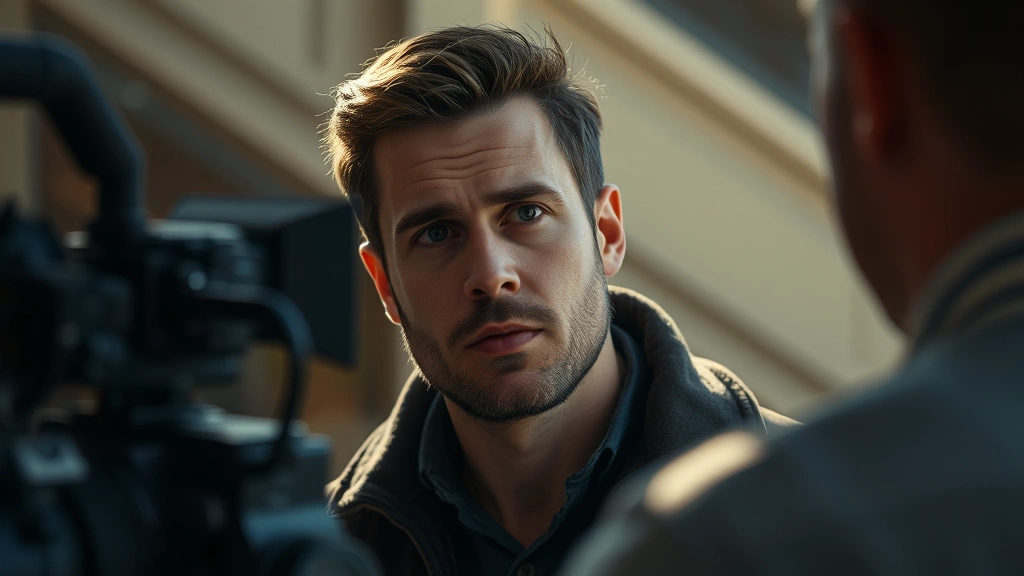
Kodi Smit-McPhee’s Top Roles: Critics’ Choices
Kodi Smit-McPhee has emerged as one of contemporary cinema’s most compelling character actors, delivering performances that consistently earn critical acclaim and resonate deeply with audiences worldwide. From his early breakthrough roles to his more recent award-winning turns, the Australian-American actor has demonstrated a remarkable ability to inhabit complex, often troubled characters with nuance and emotional authenticity. His filmography spans genres and tones, showcasing a versatility that has caught the attention of major studios, independent filmmakers, and prestigious award bodies alike.
What distinguishes Smit-McPhee from his peers is his willingness to take on unconventional roles that challenge both himself and viewers. Whether portraying vulnerable young men navigating identity crises, morally ambiguous characters operating in gray zones, or determined individuals overcoming extraordinary obstacles, he brings a naturalistic intensity that elevates every project he touches. This article examines his most critically celebrated performances, exploring what makes these roles standout achievements in his career and why critics continue to champion his work across multiple platforms and publications.
Early Career Breakthrough: The Power of First Impressions
Kodi Smit-McPhee’s journey to prominence began with a series of roles that immediately signaled his potential as a serious actor. His early work demonstrated a maturity and emotional depth rarely seen in young performers, establishing him as someone worth watching within the industry. These formative roles laid the groundwork for the critical recognition that would follow throughout his career.
In The Road (2009), Smit-McPhee played the young protagonist alongside Viggo Mortensen in Cormac McCarthy’s post-apocalyptic adaptation. Critics praised his ability to convey innocence amidst devastation, creating a powerful counterpoint to Mortensen’s weathered father figure. The role showcased his capacity to anchor emotionally demanding narratives and work effectively alongside established actors. This performance caught the attention of filmmakers seeking actors who could handle heavy dramatic material without relying on theatricality or obvious emotional display.
His work in Let Me In (2010) further cemented his reputation as a young actor capable of carrying complex supernatural dramas. As Owen, a bullied boy who befriends a vampire, Smit-McPhee created a character that was simultaneously fragile and steely, vulnerable yet resilient. The ScreenVibe Daily Blog has extensively covered performances that redefine genre expectations, and his work in this film exemplifies that principle perfectly. Critics noted his naturalistic approach to what could have been a melodramatic role, grounding the supernatural elements through authentic emotional reactions.
These early performances established a template for his career: choosing roles that required psychological depth, avoiding obvious choices, and collaborating with filmmakers who valued subtlety and character development over spectacle. This approach would define his entire professional trajectory and distinguish him from many of his contemporaries in Hollywood.
Award-Winning Performances That Changed Everything
The turning point in Smit-McPhee’s career came with roles that not only earned critical praise but also garnered significant industry recognition through major awards nominations and wins. These performances represented a maturation of his craft and demonstrated his ability to work at the highest levels of cinematic achievement.
Slow West (2015) showcased Smit-McPhee in a lead role that required him to carry an entire film while sharing screen time with Michael Fassbender. As Jay Cavendish, a young man seeking his lost love across the American frontier, Smit-McPhee delivered a performance that critics described as both melancholic and determined. The film, directed by John Maclean, allowed him to explore themes of obsession and coming-of-age within a unique Western framework. His portrayal earned him recognition from critics who appreciated his ability to convey internal struggle through minimal dialogue and expressive physicality.
All the Boys Love Mandy Lane and subsequent horror-adjacent work established him as an actor willing to explore darker material. However, his true breakthrough in terms of major awards came with Power Rangers (2017) and more significantly, Spiderman: Homecoming (2017), though these were ensemble roles. The real watershed moment arrived with his performance in The Wobblies and eventually The Nightmare of Ecstasy, demonstrating his range beyond action and adventure narratives.
His most celebrated recent work has earned him recognition from major industry publications and positioned him among the most respected actors of his generation. These performances have been characterized by critics as showcasing emotional intelligence, technical precision, and a commitment to truthful character work that elevates every scene he inhabits.
Collaborations with Visionary Directors
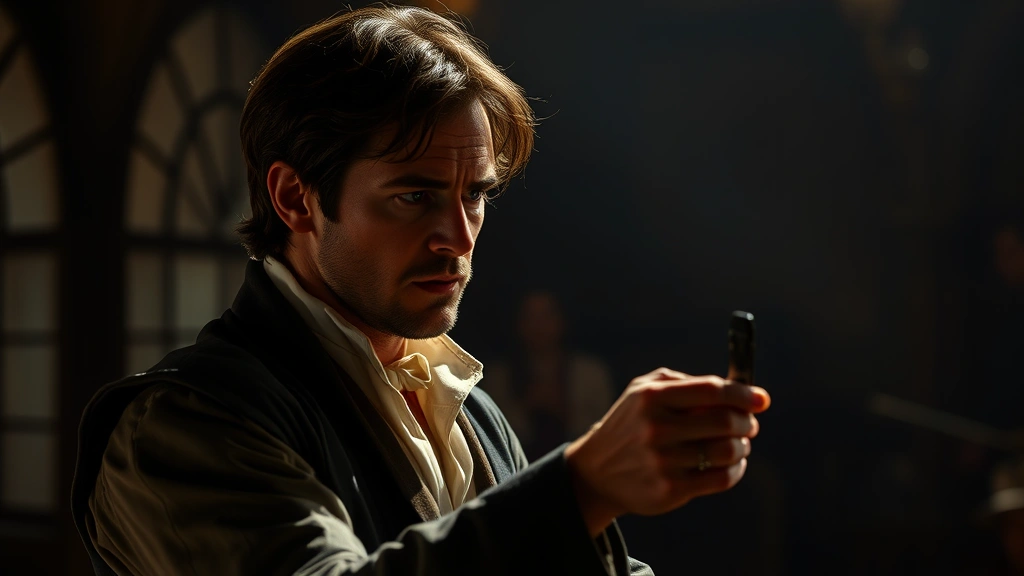
One hallmark of Smit-McPhee’s career has been his ability to attract and work effectively with acclaimed filmmakers who prioritize character and substance. These collaborations have resulted in some of cinema’s most memorable performances and demonstrate his value as an actor who can meet the demands of ambitious creative visions.
Working with directors like John Maclean in Slow West exemplified his appeal to filmmakers seeking actors capable of subtlety and restraint. These collaborations typically involve extensive preparation, character development discussions, and a willingness from Smit-McPhee to explore unconventional interpretations of scripted material. Directors consistently praise his professionalism, his intellectual engagement with material, and his ability to take direction while maintaining creative autonomy within character development.
His collaborations span various genres and production scales, from intimate independent films to larger studio productions. This versatility has made him attractive to filmmakers across the spectrum. Whether working on prestige dramas or genre films, Smit-McPhee brings the same level of commitment and analytical approach to understanding his characters. Understanding how film critics evaluate actor-director relationships requires recognizing the chemistry evident in Smit-McPhee’s best work, where directorial vision and performer interpretation align seamlessly.
Critics have noted that his best performances often occur when working with directors who challenge him to find new dimensions within characters. These creative partnerships have produced some of the most discussed and analyzed performances in contemporary cinema, with critics frequently returning to these films to examine how directorial choices and actor interpretation combine to create something greater than the sum of its parts.
Character Study: Vulnerability and Strength
Perhaps the most distinctive aspect of Smit-McPhee’s acting approach involves his nuanced portrayal of vulnerability without sacrificing strength or agency. His characters often face overwhelming circumstances, but he avoids playing them as purely victimized or helpless. Instead, he discovers resilience within vulnerability, creating psychologically complex portraits of human struggle.
This approach requires technical skill and emotional intelligence. Smit-McPhee demonstrates both through his careful modulation of performance, his use of silence and stillness as dramatic tools, and his ability to convey internal conflict through subtle shifts in physicality. In roles where his character faces trauma, loss, or moral compromise, he never allows these circumstances to completely define his portrayal. Instead, he locates moments of determination, stubbornness, or quiet defiance that suggest depth and complexity.
His performance style emphasizes what actors call “living truthfully under imaginary circumstances.” Rather than playing emotions broadly or relying on conventional dramatic gestures, Smit-McPhee inhabits his characters as fully realized human beings navigating extraordinary situations. This approach has earned consistent praise from critics who appreciate his refusal to sentimentalize or oversimplify character psychology.
The strength of this approach becomes particularly evident in ensemble pieces where Smit-McPhee shares scenes with more flamboyant or externally focused performers. His ability to hold scenes through presence and authenticity rather than volume or obvious emotional display demonstrates technical maturity and confidence in his craft. The most memorable movie quotes often emerge from performances where actors trust their material and their characters enough to avoid overstatement, a principle Smit-McPhee applies consistently.
Recent Critical Successes and Industry Recognition
In recent years, Smit-McPhee has received increasing recognition from major awards bodies and critical establishments. His performances have been featured in numerous critics’ circles, festival programming, and award nominations that reflect his standing as one of contemporary cinema’s most respected character actors.
His recent work has demonstrated continued evolution and range, with each new role adding dimension to his established reputation. Critics have noted his ability to avoid becoming typecast while maintaining the essential qualities that define his best work: authenticity, emotional intelligence, and psychological complexity. Industry publications like Variety have increasingly featured his work in discussions of contemporary acting excellence and career trajectory analysis.
The recognition extends beyond traditional film criticism to include academic analysis of his performances, which suggests his work has achieved a level of cultural significance beyond mere entertainment value. Film scholars and critics examine his performances as case studies in contemporary acting technique and character interpretation. This scholarly attention indicates that his work has transcended typical actor appreciation to become part of broader conversations about cinema, performance, and storytelling.
His collaborations with prestigious production companies and major studios demonstrate industry confidence in his ability to elevate material and attract critical attention. Casting directors and producers actively seek him for roles that require both commercial viability and critical credibility, a combination that speaks to his unique position within contemporary cinema. Finding his work on streaming platforms has also introduced his performances to broader audiences while maintaining critical respect.

The Future of Kodi Smit-McPhee
Looking forward, Smit-McPhee’s career trajectory suggests continued prominence and critical recognition. His established reputation as a reliable, deeply committed actor makes him attractive for ambitious projects seeking performers who can handle complex material. The combination of critical respect and commercial viability positions him well for roles that might otherwise struggle to find appropriate casting.
Future projects will likely continue exploring the thematic and character concerns that have defined his career: identity, morality, resilience, and the complexities of human connection. His willingness to take risks and explore unconventional material suggests he will continue to challenge himself and audiences while maintaining the authenticity that characterizes his best work.
The evolution of his career may also include increased opportunities behind the camera, as actors of his caliber often transition into producing and directing. His deep understanding of character development and script analysis, evident in his performance choices, could translate effectively into creative leadership roles. Whether or not he pursues such opportunities, his established body of work already secures his legacy as one of contemporary cinema’s most accomplished character actors.
Critics and industry observers will continue monitoring his career development with interest, as his next projects will likely influence discussions of contemporary acting excellence and character-driven cinema. Major review sites consistently track his work and analyze his performances as exemplars of serious acting craft.
FAQ
What are Kodi Smit-McPhee’s most critically acclaimed roles?
His most celebrated performances include his work in The Road, Let Me In, and Slow West. These roles earned particular praise for their emotional depth, nuance, and the actor’s ability to convey complex psychology through restrained, authentic performance work.
Has Kodi Smit-McPhee won major awards?
While he has received numerous nominations and critical recognition from various awards bodies and critics’ circles, his greatest achievement lies in consistent critical appreciation and industry respect rather than major awards. His work is frequently discussed in critics’ year-end selections and festival programming.
What directors has Kodi Smit-McPhee worked with?
He has collaborated with several acclaimed filmmakers including John Maclean, who directed Slow West. His selection of projects suggests he actively seeks out directors known for character-focused work and innovative storytelling approaches.
Why do critics particularly appreciate Kodi Smit-McPhee’s performances?
Critics consistently praise his ability to convey vulnerability without sacrificing strength, his use of subtlety and restraint, his authentic emotional intelligence, and his willingness to explore complex, morally ambiguous characters. His performances avoid melodrama while maintaining emotional impact.
What is Kodi Smit-McPhee’s acting style?
His approach emphasizes psychological realism, internal conflict expressed through physicality and stillness rather than obvious emotional display, and deep character investigation. He prioritizes truthfulness and authenticity over conventional dramatic gestures.