Maddie Ziegler’s Impact: Film & TV Insights
Maddie Ziegler has transformed from a viral dance sensation on Dance Moms into one of Hollywood’s most compelling young performers. Her evolution across film and television demonstrates how digital-age stardom can transcend initial platforms, creating lasting cultural impact. With roles spanning indie films, major studio productions, and prestigious television projects, Ziegler represents a new generation of entertainers who built their foundation through social media before conquering traditional media landscapes.
Her filmography reveals a deliberate artistic trajectory—moving beyond dance-centric narratives into complex dramatic roles that challenge both her skills and audience expectations. From her early collaborations with Sia to her recent television work, Ziegler’s career illustrates how young performers can leverage multi-platform recognition to access meaningful creative opportunities. This analysis explores her most significant projects, her impact on contemporary entertainment, and what her career trajectory suggests about the future of celebrity in the streaming era.
Dance Moms to Hollywood: The Foundation
Maddie Ziegler’s ascent began on Lifetime’s Dance Moms (2011-2019), where she emerged as the standout performer among young dancers competing under the intense direction of choreographer Abby Lee Miller. The reality series became a cultural phenomenon, generating discussions about child performance, competitive pressure, and artistic development. Ziegler’s consistent technical excellence and emotional expressiveness distinguished her within the ensemble, making her the de facto face of the show during its peak viewership years.
The platform provided invaluable exposure, but more importantly, it established Ziegler as someone capable of handling pressure while maintaining artistic integrity. Unlike many reality TV participants who become synonymous with tabloid drama, Ziegler focused on her craft. Her performances demonstrated maturity beyond her years, earning respect from dance professionals and casual viewers alike. This foundation proved essential when transitioning to acting—she already possessed the discipline, work ethic, and camera presence required for professional entertainment.
The show’s success also coincided with the rise of YouTube and Instagram, allowing Ziegler to build a massive social media following independent of the Lifetime network. This digital presence became her most valuable asset, creating direct audience connection that transcended traditional media gatekeeping. When she eventually pursued acting, she brought millions of engaged followers to each new project, something casting directors and producers immediately recognized as marketable.
Sia Collaborations: Redefining Music Video Art
The partnership between Maddie Ziegler and Australian singer-songwriter Sia represents one of contemporary pop culture’s most compelling creative collaborations. Beginning with the 2014 music video for “Chandelier,” Ziegler became Sia’s visual muse and primary dancer in a series of innovative music videos that transcended typical pop format. These weren’t conventional dance videos—they were experimental visual narratives that positioned Ziegler’s body as an expressive instrument for emotional storytelling.
Sia’s deliberate choice to keep her own face hidden while elevating Ziegler’s movement created fascinating artistic tension. The videos garnered billions of views collectively, introducing Ziegler’s dance abilities to audiences far beyond the reality TV demographic. More significantly, the collaboration demonstrated that contemporary dance could serve as legitimate artistic expression within mainstream pop culture, not merely as entertainment spectacle. Each video featured increasingly sophisticated choreography and conceptual depth, with Ziegler executing movements that required extraordinary technical skill and emotional nuance.
These collaborations included “Elastic Heart” (2015), “Big Girls Cry” (2015), and “Alive” (2016), among others. Each video explored different emotional territories—vulnerability, resilience, transformation—with Ziegler’s interpretive abilities carrying significant narrative weight. The partnership also influenced how other artists approached music video production, proving that innovative visual concepts could compete commercially with traditional performance-based videos. For Ziegler specifically, these projects provided a portfolio of artistic work that distinguished her from typical child performers, establishing her as a serious dancer-artist rather than merely a talented young entertainer.
Film Breakthrough and Dramatic Roles
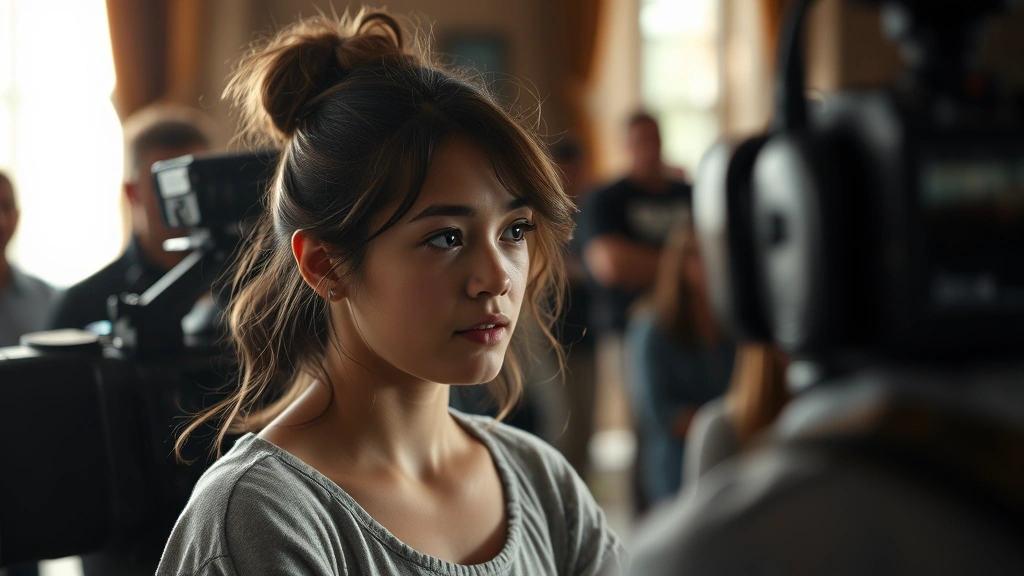
Ziegler’s transition to dramatic acting began in earnest with The Fallout (2021), an independent film directed by Rory Jansen that premiered at the SXSW Film Festival. Playing Vada, a high school student processing trauma following a school shooting, Ziegler demonstrated substantial dramatic range. The role required vulnerability, introspection, and emotional authenticity—qualities distinct from performance-based work. Critics noted her naturalistic acting style and ability to convey complex psychological states through subtle facial expressions and body language.
The film’s success at festivals and its eventual HBO Max release positioned Ziegler as a legitimate dramatic actor rather than a dancer attempting to act. Her performance earned widespread acclaim from critics who specifically highlighted her maturity and emotional intelligence. The role also attracted attention from serious filmmakers and casting directors who might not have considered her for dramatic work based solely on her reality TV and music video background.
Following The Fallout, Ziegler appeared in West Side Story (2021), Steven Spielberg’s ambitious musical film adaptation. Playing Valentina (a reimagined version of the original’s Anybodys character), Ziegler worked alongside established actors and experienced one of cinema’s most celebrated contemporary directors. The role combined her dance background with dramatic acting requirements, though the film received mixed critical reception. Regardless of critical consensus about the overall project, Ziegler’s performance demonstrated her ability to function within large-scale studio productions and collaborate with world-class talent.
Her film work continued with roles in Maddie (2022) and other independent projects, establishing a pattern of seeking out challenging material rather than pursuing obvious commercial vehicles. This selective approach has enhanced her credibility as an artist, suggesting she prioritizes meaningful creative opportunities over maximum commercial exposure. Compared to many young performers who accept every available role, Ziegler’s career demonstrates thoughtful curation and artistic ambition.
Television Career Evolution
Beyond Dance Moms, Ziegler’s television work has expanded significantly. She appeared in the reboot of Flower Power and various guest appearances on notable series. More significantly, her television presence evolved from reality competition format into dramatic storytelling platforms. This transition reflects broader industry trends toward viewing television as a venue for serious artistic work, particularly on streaming platforms where creative boundaries differ from traditional broadcast networks.
Ziegler’s streaming presence has grown substantially, with appearances on platforms like Netflix and HBO Max becoming central to her contemporary career. These platforms actively seek young performers with existing fan bases, recognizing that established social media followings translate into guaranteed viewership. However, Ziegler has distinguished herself by refusing to simply leverage her existing audience—instead, she pursues projects that challenge her artistically and potentially alienate casual followers unfamiliar with her dramatic work.
Her television work demonstrates understanding of contemporary media consumption patterns. Streaming has fundamentally altered how audiences discover and consume content, and performers who recognize this shift gain significant advantages. Ziegler’s willingness to work across multiple platforms—appearing in dramatic series, competing in dance-adjacent programming, and maintaining social media presence—reflects sophisticated understanding of modern entertainment landscape. Check out our guide on best movie review sites to explore how contemporary criticism evaluates performances like hers.
Impact on Youth Entertainment
Maddie Ziegler’s career trajectory has influenced how entertainment industry perceives young performers’ potential. Her success demonstrates that reality TV participants can transition into legitimate acting careers, challenging previous assumptions that reality television represents a career endpoint rather than launching pad. This has created opportunities for other young performers with similar backgrounds, expanding career pathways beyond traditional child actor training.
Her impact extends to how dance is positioned within entertainment hierarchies. Historically, dancers occupied subordinate positions to actors, singers, and musicians. Ziegler’s integration into dramatic acting, film work with prestigious directors, and recognition as a multidisciplinary artist has elevated dance’s cultural status. Young dancers now view performance careers as potentially encompassing multiple artistic disciplines rather than remaining confined to dance-specific work.
The ScreenVibeDaily blog regularly discusses how young performers navigate contemporary entertainment, and Ziegler’s career frequently appears as instructive example. Her approach to career development—combining social media presence with traditional entertainment work, pursuing artistic integrity alongside commercial viability—offers lessons for emerging performers. Additionally, her willingness to discuss mental health, the pressures of fame, and career challenges publicly has contributed to broader conversations about child performer welfare.
Ziegler’s influence on her peers cannot be overstated. Other young performers observe her career decisions, her selective approach to projects, and her success in transitioning between entertainment formats. This influence extends internationally, as social media enables global audiences to follow her work and career trajectory. Young dancers and performers worldwide reference her as example of how to build sustainable career in contemporary entertainment landscape.
Streaming Era Significance
The streaming revolution has fundamentally altered how young performers build and sustain careers. Ziegler’s adaptation to this environment illustrates broader industry transformation. Traditional television networks once gatekept access to mass audiences; now, performers with substantial social media followings can secure streaming deals based on existing audience size rather than solely on casting director recommendations or traditional audition processes.
Ziegler represents a hybrid model—she possesses both traditional entertainment credentials (film roles, television appearances, industry recognition) and digital-era advantages (massive social media following, direct audience connection, content creation capability). This combination makes her exceptionally valuable to streaming platforms, which prioritize metrics like subscriber acquisition and audience engagement. Her followers represent guaranteed viewership for projects she joins, while her traditional entertainment credentials ensure critical credibility.
The streaming era also enables niche content that traditional broadcasting might not support. Ziegler’s involvement in indie films, experimental television projects, and unconventional narratives becomes feasible because streaming platforms operate under different economic models than broadcast networks. This has allowed her to pursue more artistically adventurous work while maintaining financial viability. For context on how entertainment criticism has evolved in this era, explore how to become a film critic to understand how contemporary critics evaluate streaming-era performances.
Looking forward, Ziegler’s career suggests several emerging patterns in entertainment. First, the distinction between “traditional” and “digital” entertainment continues dissolving—successful performers seamlessly integrate across formats. Second, social media presence increasingly influences casting decisions and project viability. Third, young performers with existing audiences possess negotiating leverage that previous generations lacked. Ziegler’s trajectory demonstrates all three patterns simultaneously.
Her selective project choices also indicate that discerning audiences increasingly value artistic integrity over celebrity ubiquity. Ziegler could theoretically accept every available role and maximize short-term earnings; instead, she pursues meaningful projects, suggesting that long-term career sustainability requires artistic credibility. This approach contrasts with earlier models where young performers accepted maximum work to maintain visibility. The shift reflects audience sophistication—contemporary viewers distinguish between genuine artistic development and mere celebrity maintenance.
External research from Pew Research Center on digital media consumption patterns provides context for understanding how performers like Ziegler navigate contemporary landscape. Their studies on how young people consume entertainment through streaming and social media align with observable patterns in Ziegler’s career development. Additionally, media research organizations have documented how social media influence increasingly determines entertainment industry outcomes.
The future likely holds continued evolution for Ziegler’s career. As streaming consolidates further and audience fragmentation increases, performers with her combination of traditional credentials and digital presence will likely occupy increasingly valuable positions. She represents a template for young entertainers entering the industry: build authentic audience connection, maintain artistic standards, develop multidisciplinary skills, and leverage multiple platforms strategically rather than chasing every opportunity indiscriminately.
For those interested in understanding how contemporary entertainment evaluates young performers, our guide to best family movies 2025 discusses films appropriate for diverse age groups, reflecting how entertainment increasingly caters to varied audience demographics. Ziegler’s work often appeals across age ranges, demonstrating her broad appeal and sophisticated artistic choices.
FAQ
What was Maddie Ziegler’s breakthrough role?
While Ziegler gained initial fame through Dance Moms, her dramatic breakthrough came with The Fallout (2021), where she played a high school student processing trauma. This indie film premiered at SXSW and demonstrated her serious acting capabilities beyond dance and performance.
How many Sia music videos did Maddie Ziegler appear in?
Ziegler appeared in numerous Sia music videos beginning with “Chandelier” (2014), including “Elastic Heart,” “Big Girls Cry,” “Alive,” and several others. These collaborations became culturally significant artistic partnerships that elevated both artists’ profiles.
Did Maddie Ziegler appear in West Side Story?
Yes, Ziegler played Valentina in Steven Spielberg’s 2021 West Side Story adaptation. This role combined her dance background with dramatic acting requirements within a major studio production.
What is Maddie Ziegler’s social media following?
Ziegler maintains millions of followers across Instagram, TikTok, and other platforms. Her social media presence significantly influences her marketability to studios and streaming platforms seeking performers with existing engaged audiences.
Has Maddie Ziegler won awards for her acting?
While Ziegler has received critical acclaim for specific performances, particularly in The Fallout, her major awards recognition remains limited compared to her industry prominence. However, critical appreciation from respected film critics and industry professionals validates her artistic development.
What distinguishes Maddie Ziegler’s career approach?
Unlike many young performers who accept maximum available work, Ziegler selectively pursues projects offering genuine artistic challenges. This approach has enhanced her credibility and longevity, suggesting she prioritizes meaningful creative opportunities over immediate commercial exposure.