Annabelle 3 Review: Expert Horror Analysis
The Conjuring Universe continues to expand with Annabelle Comes Home, the third installment in the demonic doll franchise that has captivated horror audiences worldwide. Directed by Gary Dauberman, this 2019 film returns to the origins of terror while introducing fresh scares and a deeper exploration of supernatural mythology. Our comprehensive analysis examines the film’s narrative structure, directorial choices, performances, and cultural impact within the broader horror landscape.
As part of the interconnected Conjuring cinematic universe, Annabelle Comes Home serves as both a standalone horror experience and a crucial link in the franchise’s mythology. The film explores the dangerous consequences of supernatural artifacts and the protective measures required to contain genuine evil. This expert review breaks down every element that makes this installment a significant entry in contemporary horror cinema.
Plot Summary and Setup
Annabelle Comes Home functions as a prequel-adjacent narrative that explores the doll’s arrival at the Warren house and the supernatural chaos that follows. The film opens with Ed and Lorraine Warren (Patrick Wilson and Vera Farmiga) investigating a possessed doll that has claimed numerous victims. After securing the artifact in their artifact room—a locked chamber containing dangerous supernatural objects—the Warrens leave their home in the care of a babysitter and her friend, setting the stage for catastrophic events.
When the babysitter’s friend discovers the locked artifact room and releases Annabelle from her protective case, she unknowingly unleashes a conduit for malevolent forces. The film’s central conflict emerges as multiple supernatural entities manifest throughout the Warren household, each more terrifying than the last. This setup effectively raises the stakes while maintaining the franchise’s established mythology. For those interested in understanding the broader best movies available for streaming, horror films like this demonstrate the genre’s continued evolution.
The narrative structure cleverly uses the artifact room as both a literal and metaphorical space, representing the boundary between the natural and supernatural worlds. Each object within the room carries its own malevolent history, creating opportunities for expanded universe storytelling. The film’s pacing accelerates as supernatural manifestations increase, building tension through escalating supernatural encounters rather than relying solely on jump scares.
Directorial Vision and Style
Gary Dauberman’s directorial approach brings a fresh perspective to the Conjuring franchise while maintaining tonal consistency with previous installments. His vision emphasizes atmospheric tension and character-driven horror, moving beyond simple scares to explore genuine psychological dread. Dauberman demonstrates remarkable control over pacing, allowing scenes to breathe before delivering impact, creating a rhythm that keeps audiences perpetually uncertain about when danger will strike.
The director’s visual language incorporates classic horror techniques alongside modern sensibilities, creating a hybrid approach that appeals to both traditional horror enthusiasts and contemporary audiences. Camera movements remain purposeful and deliberate, avoiding unnecessary stylistic flourishes that might distract from the narrative tension. Dauberman’s background in screenwriting clearly influences his directorial choices, as dialogue-heavy scenes receive as much attention as action sequences.
His use of negative space proves particularly effective, with the Warren house becoming a character itself—a sprawling, shadow-filled environment where danger lurks around every corner. The production design complements this vision, with period-appropriate details establishing the film’s setting while creating visual interest. This directorial approach shares similarities with other acclaimed horror directors discussed in our best movie review sites guide, where experts analyze directorial choices in depth.
Character Development and Performances
The ensemble cast delivers nuanced performances that elevate the material beyond typical horror fare. Vera Farmiga’s return as Lorraine Warren maintains the character’s established compassion and psychic sensitivity while allowing for character growth. Patrick Wilson continues to bring gravitas to Ed Warren, balancing skepticism with protective instincts. Their brief screen time proves crucial in establishing the film’s emotional stakes and moral framework.
Madison Iseman emerges as a compelling lead in her role as babysitter Babette, bringing vulnerability and determination to her character’s journey. Her performance grounds the supernatural chaos in human emotion, making her survival feel genuinely earned rather than convenient. Katie Sarife’s portrayal of Annabelle’s discoverer captures youthful curiosity mixed with escalating horror, creating a sympathetic character despite her catastrophic mistake.
Supporting performances from the young cast members add authenticity to the experience, with child actors delivering age-appropriate reactions to increasingly terrifying circumstances. The chemistry between characters feels genuine, creating emotional investment in their survival. This character-focused approach distinguishes Annabelle Comes Home from purely spectacle-driven horror films, aligning with the thoughtful storytelling discussed in our guide on becoming a film critic.
The performances demonstrate understanding of horror genre conventions while subverting certain expectations. Characters make logical decisions given their circumstances rather than falling into contrived plot devices. This intelligent characterization respects audience intelligence and creates genuine tension around character survival rather than relying on audience frustration with poor decision-making.
Horror Elements and Scares
The film employs a sophisticated arsenal of horror techniques, layering multiple approaches to create comprehensive dread. Jump scares exist within the film’s structure but never dominate the experience, instead punctuating longer sequences of mounting tension. Dauberman demonstrates restraint in deploying these techniques, making each scare feel earned rather than manipulative.
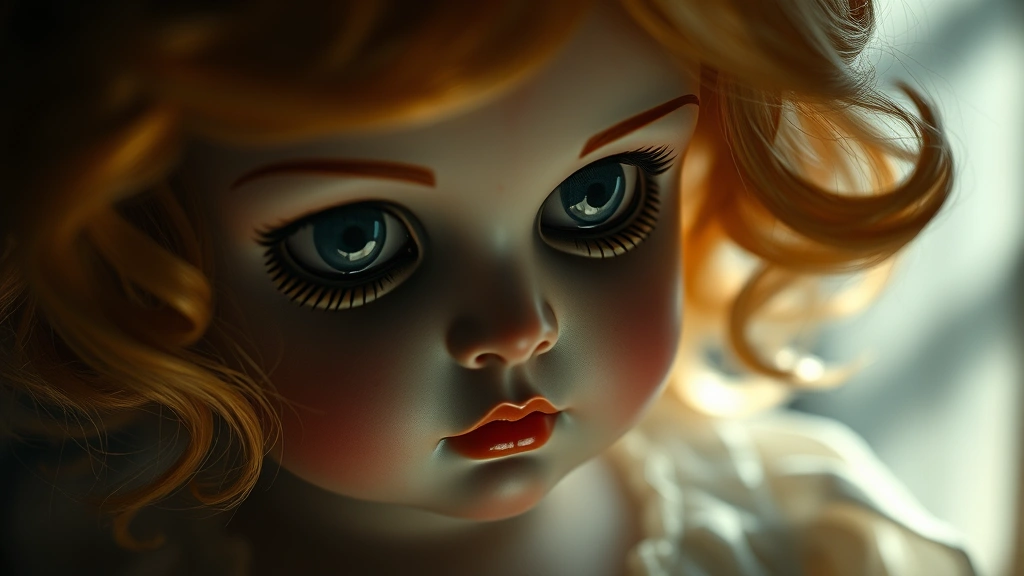
Practical effects and creature design showcase impressive craftsmanship, with supernatural manifestations appearing genuinely unsettling rather than ridiculous. The possessed doll itself remains effectively creepy throughout, with subtle movements and expressions conveying menace. Additional supernatural entities introduced throughout the film’s runtime expand the horror palette, each with distinct visual designs and terrifying capabilities.
Sound design plays an equally crucial role in the horror experience, with composer Joseph Bishara creating an ominous score that permeates every scene. Ambient sounds and silence prove equally effective, with the film’s sound team understanding that absence of audio can be more terrifying than aggressive musical cues. This sophisticated approach to horror construction reflects the genre’s evolution, as documented by Pew Research Center, which studies media consumption patterns and audience preferences.
The horror escalates logically throughout the narrative, with early scares establishing the film’s rules before breaking them in increasingly disturbing ways. Supernatural logic remains internally consistent, allowing audiences to understand the danger while remaining uncertain about potential solutions. This balance between comprehension and uncertainty generates sustained tension across the film’s runtime.
Technical Execution and Cinematography
Cinematographer Michael Burgess creates a visually cohesive film that balances clarity with atmospheric shadows. The Warren house’s architecture receives careful framing, with compositions emphasizing isolation and vulnerability. Lighting design shifts subtly between scenes, creating psychological shifts in tone without jarring transitions.
Camera work remains largely static during dialogue sequences, allowing performances to command attention, while moving fluidly during action and supernatural sequences. This dynamic approach keeps the visual experience engaging without becoming distracting. The production’s budget translates effectively on screen, with practical effects and set design receiving appropriate investment.
Visual effects integrate seamlessly with practical elements, creating a cohesive supernatural aesthetic. The film avoids excessive CGI, instead relying on practical puppetry, makeup, and clever camera work to bring supernatural elements to life. This restraint creates more convincing horror than overtly digital creatures might provide.
Color grading emphasizes cool tones during daytime sequences while introducing warmer, more sickly hues as supernatural activity increases. This subtle visual language communicates danger without explicit exposition. The technical execution demonstrates professional competence across all departments, with cinematography serving the narrative rather than overwhelming it.
Thematic Depth and Symbolism
Annabelle Comes Home explores themes of responsibility, curiosity, and the consequences of violating established boundaries. The artifact room represents societal rules and protections that exist for valid reasons, with the film punishing violation of these boundaries through supernatural consequences. This thematic framework extends beyond simple morality, examining how curiosity and youthful rebellion can have genuine dangers.
The doll itself functions as a symbol of childhood innocence corrupted by malevolent forces, representing broader anxieties about childhood vulnerability. Annabelle’s appearance—designed to look like a child’s toy—creates cognitive dissonance that amplifies the horror. This symbolism operates on both conscious and subconscious levels, generating unease beyond mere supernatural threat.
The Warren house serves as a sanctuary that becomes a prison, inverting audience expectations about safe spaces. This thematic inversion creates psychological horror beyond physical threat, exploring how safety can be illusory. The film suggests that knowledge of supernatural danger creates vulnerability, as ignorance might provide protection through simple avoidance of dangerous information.
Gender dynamics within the film warrant analysis, with female characters demonstrating agency and problem-solving despite supernatural threat. The babysitter character resists victimhood tropes, instead taking active roles in confronting danger. This characterization reflects contemporary horror’s increased attention to female-centered narratives, as discussed in media analysis from The Hollywood Reporter‘s entertainment journalism.

Cultural Impact and Audience Reception
The film’s box office success demonstrates continued audience appetite for Conjuring universe content, with Annabelle Comes Home earning over $230 million worldwide. This commercial success validates the franchise’s expansion strategy while confirming that audiences value interconnected universe storytelling within horror cinema. The film’s performance influenced subsequent franchise decisions and studio confidence in horror properties.
Critical reception proved generally positive, with reviewers praising the film’s technical execution and character development. Horror publications and mainstream critics alike recognized the film’s sophisticated approach to scares, elevating it above typical franchise sequels. This critical-commercial alignment remains relatively rare, suggesting the film succeeded across multiple audience segments.
The film’s cultural relevance extends beyond box office metrics, influencing broader horror discourse around supernatural mythology and universe building. Audiences engaged deeply with the artifact room concept, generating fan theories about contained supernatural objects. This engagement demonstrates how effective world-building generates audience investment beyond individual films.
Social media discussions highlighted various scares and supernatural concepts, with audiences debating which manifestations proved most terrifying. This organic conversation amplified the film’s reach beyond traditional marketing channels. The film’s influence on contemporary horror trends reflects its significance within the genre’s evolution, as analyzed by Journalist’s Resource, which documents media industry trends.
For those interested in exploring horror cinema more broadly, our best family movies guide provides context for how horror fits within broader entertainment landscapes. Additionally, understanding famous movie quotes helps contextualize how horror cinema contributes to broader film culture. The ScreenVibeDaily blog provides ongoing analysis of horror trends and cinema developments.
FAQ
Is Annabelle Comes Home appropriate for younger audiences?
The film carries a PG-13 rating, making it technically accessible to younger viewers with parental permission. However, the horror elements prove genuinely frightening and may disturb sensitive viewers. Parents should consider their individual child’s tolerance for scares before screening.
Do I need to watch previous Conjuring films to understand Annabelle Comes Home?
The film functions as a standalone narrative while enriching the experience for franchise fans. Previous viewing helps contextualize character relationships and supernatural mythology, but isn’t strictly necessary for plot comprehension. New audiences can enjoy the film independently while franchise enthusiasts appreciate additional layers of meaning.
How does this film compare to other entries in the Conjuring universe?
Annabelle Comes Home ranks favorably within the franchise, offering strong character development and sophisticated horror alongside the universe’s established mythology. Its focus on contained supernatural chaos differs from other films’ broader investigations, providing variety within the franchise’s formula.
What makes the Annabelle doll so effective as a horror icon?
The doll’s design exploits childhood associations with toys while remaining subtly uncanny. Its simple appearance prevents audience desensitization while allowing audiences to project their own fears onto the object. This psychological effectiveness transcends special effects, creating horror through suggestion rather than explicit depiction.
Are there Easter eggs or references to other Conjuring films?
Yes, the artifact room contains multiple references to previous franchise entries, with careful viewers spotting objects and implications from other films. These Easter eggs reward franchise familiarity while remaining unobtrusive for new audiences.
What supernatural concepts does the film introduce?
Beyond Annabelle herself, the film introduces multiple supernatural entities with distinct characteristics and threat levels. The artifact room concept expands the universe’s mythology, suggesting numerous dangerous supernatural objects exist throughout the world. These concepts open possibilities for future franchise expansion.