Where Was Blue Lagoon Filmed? Expert Insight Into This Iconic Island Paradise
The 1980 film The Blue Lagoon captivated audiences worldwide with its stunning tropical scenery and survival narrative. Viewers have long wondered about the actual filming locations that brought this island paradise to life on screen. The production team’s choice of location proved instrumental in creating the film’s immersive atmosphere and visual authenticity that continues to resonate with audiences decades later.
Understanding where The Blue Lagoon was filmed provides fascinating insight into how filmmakers transformed a real-world location into a cinematic paradise. The selection process involved careful consideration of geography, accessibility, and natural beauty. This comprehensive guide explores the actual filming locations, production challenges, and behind-the-scenes details that shaped this memorable adventure film.
Primary Filming Location: Fiji
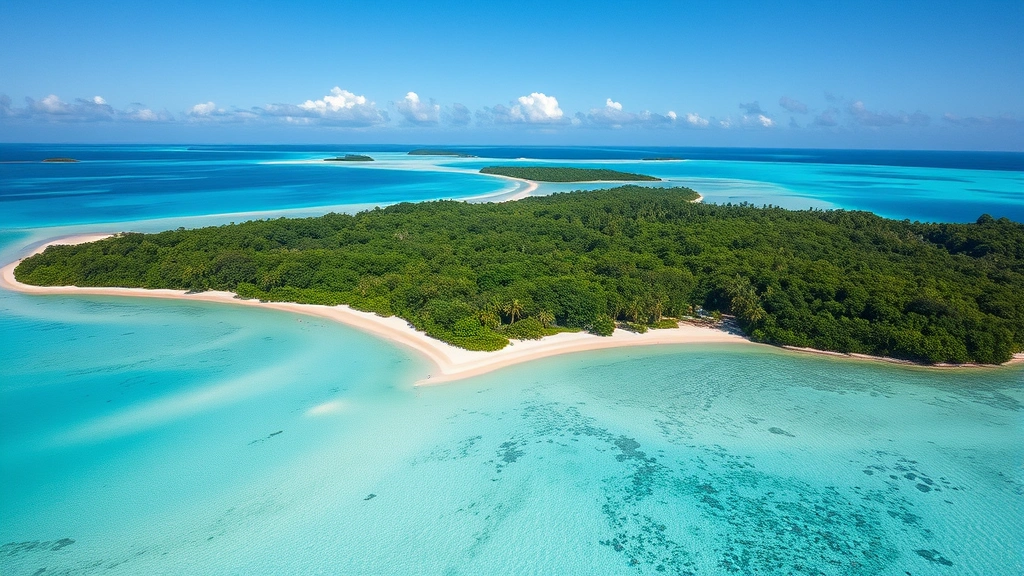
The Blue Lagoon was primarily filmed in Fiji, a South Pacific island nation renowned for its pristine beaches and crystalline waters. Director Randal Kleiser selected Fiji as the ideal setting after extensive location scouting throughout the Pacific region. The decision to film in Fiji proved transformative for both the production and the nation’s international profile. The filmmakers recognized that Fiji’s natural landscape possessed the authentic tropical atmosphere necessary to ground the story’s survival elements in visual credibility.
Fiji’s geographic position in the South Pacific, approximately 2,000 kilometers northeast of New Zealand’s North Island, provided the remote and isolated aesthetic the narrative demanded. The archipelago comprises over 330 islands, though only around one-third are inhabited. This abundance of untouched natural environments allowed production teams to identify locations that appeared completely uninhabited and pristine—essential for depicting the marooned children’s isolated world.
The specific choice of Fiji over other Pacific locations reflected careful consideration of infrastructure, crew accessibility, and visual distinctiveness. Unlike some competing locations, Fiji offered established ports and basic production facilities while maintaining the unspoiled appearance required for the film. The availability of quality cinematography resources in Fiji during the late 1970s made the location logistically feasible for a major Hollywood production.
Specific Islands and Geographic Details
The production team utilized multiple islands within Fiji’s archipelago to capture the diverse visual elements needed for The Blue Lagoon. The primary filming occurred on islands in the Lomaiviti Group, which offered the combination of sandy beaches, coral formations, and dense vegetation that matched the script’s requirements. These islands provided natural harbors and protected lagoons—critical for safety during water-based filming sequences.
The lagoon itself, which serves as the film’s central visual element and narrative anchor, was filmed in locations featuring natural coral reefs and shallow turquoise waters. Fiji’s lagoons are renowned for their exceptional clarity and distinctive coloration, attributes that cinematographer Jack Cardiff captured with remarkable precision. The natural water temperature, remaining consistently warm year-round, eliminated the need for extensive cold-water safety protocols that might have complicated production.
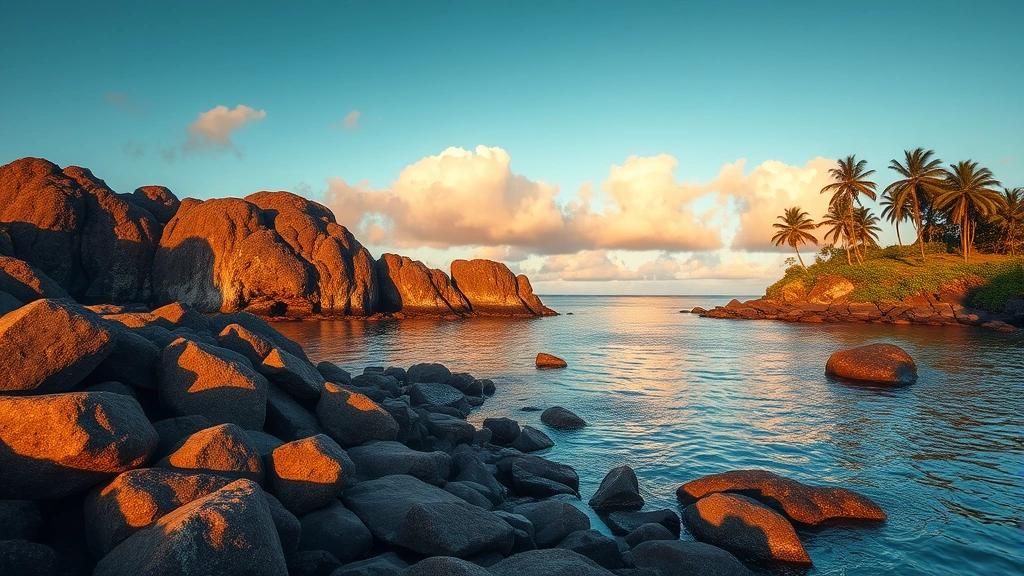
Production also utilized beaches on several smaller islands to create visual variety while maintaining the narrative’s sense of geographic isolation. The filmmakers strategically selected locations with different characteristics—rocky outcroppings for dramatic establishing shots, sandy beaches for survival sequences, and dense jungle vegetation for scenes depicting the children’s adaptation to island life. This geographic diversity within a concentrated region allowed efficient production scheduling while maximizing visual authenticity.
The crew faced unique challenges related to Fiji’s maritime environment. Tidal patterns, seasonal weather variations, and ocean currents required careful planning for each filming day. The production team worked closely with local maritime experts to schedule water-based sequences during optimal conditions. Understanding these environmental factors proved essential for both safety and achieving the desired cinematographic results.
Production Challenges in Tropical Filming
Filming in Fiji’s tropical environment presented substantial logistical and technical challenges that tested the production team’s resourcefulness. Heat and humidity affected equipment performance, particularly camera mechanisms and film stock sensitive to moisture exposure. The crew implemented specialized storage and protection protocols to preserve equipment integrity throughout the production schedule. Tropical rainfall, while essential for the ecosystem’s visual richness, frequently interrupted filming sequences and required careful scheduling around weather patterns.
The remote island locations meant that all supplies, equipment, and personnel required transportation by boat. This dependency on maritime logistics created scheduling constraints and limited the ability to respond quickly to equipment failures or unexpected complications. The production team maintained substantial equipment redundancy and carried extensive spare parts to address potential technical issues without delaying shooting. Communication with the mainland required radio systems, as standard telephone infrastructure was unavailable in the filming locations.
Health and safety considerations were paramount in this remote tropical setting. The crew faced exposure to unfamiliar diseases, dangerous marine life, and limited medical facilities. Production protocols included comprehensive medical screening, vaccination requirements, and on-site medical personnel equipped to handle emergencies. The insurance and liability considerations for filming in such isolated locations required extensive negotiation with underwriters and local authorities.
The young actors, particularly Brooke Shields and Christopher Atkins who portrayed the marooned children, required specialized supervision in the challenging environment. Child labor laws and safety regulations necessitated careful monitoring of working hours, environmental exposure, and emotional well-being. The production team arranged for tutoring, parental supervision, and regular breaks to ensure the young performers’ welfare while maintaining production efficiency. The actors’ inexperience with tropical conditions required gradual acclimation and constant attention to dehydration and sun exposure risks.
Local wildlife presented both opportunities and challenges. The presence of exotic birds, tropical fish, and other fauna enhanced the film’s visual authenticity, but also required careful management to ensure crew safety. Certain marine creatures, including potentially dangerous fish species, necessitated safety briefings and precautions during water filming. The production team worked with local guides possessing expertise in tropical ecosystems to navigate these environmental considerations.
Set Design and Practical Effects
While Fiji’s natural landscape provided the foundational visual environment, the production team implemented extensive set design and construction to enhance specific narrative moments. The children’s shelter, a crucial element in the survival narrative, was constructed on a beach location combining natural rock formations with built structures. The filmmakers designed the shelter to appear gradually developed as the children adapted to island life, requiring multiple construction phases filmed across weeks of production.
The production team built practical structures that would withstand tropical weather while appearing authentic and organic within the natural environment. Materials were carefully selected to weather realistically on film while maintaining structural integrity. Some constructed elements were designed to deteriorate visibly during filming, reflecting the narrative’s passage of time and the children’s improving survival capabilities. This attention to detail created visual storytelling that reinforced character development through environmental changes.
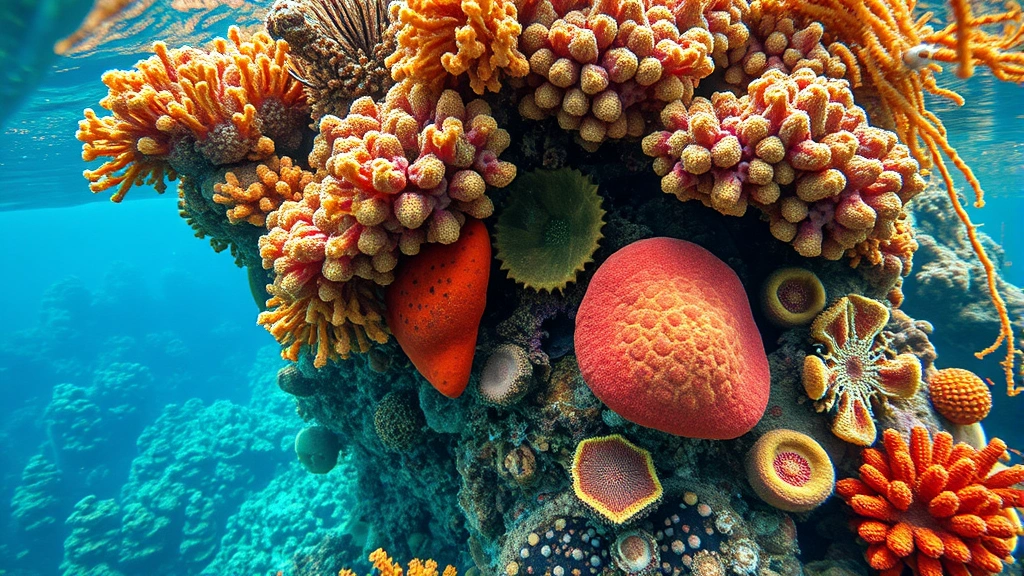
Underwater cinematography required specialized equipment and techniques rarely employed in major productions of that era. Cinematographer Jack Cardiff pioneered underwater filming methods that captured the lagoon’s beauty while maintaining narrative clarity. The crew developed custom underwater camera housings and lighting systems to illuminate the reef environment without appearing artificial. These technical innovations represented significant advances in underwater cinematography for narrative filmmaking.
The production team utilized practical effects extensively to enhance natural elements. Water effects, fire sequences, and weather elements were augmented through practical techniques rather than relying on post-production manipulation. This approach created a tactile quality that enhanced the film’s immersive atmosphere. The commitment to practical effects meant that actors performed genuinely dangerous sequences with professional safety management, contributing to the authentic emotional resonance of their performances.
Impact on Fiji’s Tourism Industry
The Blue Lagoon‘s international success dramatically elevated Fiji’s profile as a tourist destination. The film’s visual presentation of Fiji’s natural beauty reached global audiences and inspired substantial tourism growth. Travel agencies began marketing Fiji explicitly by referencing the film, and tourism boards capitalized on the movie’s romantic imagery to attract visitors. This cinematic exposure provided invaluable marketing that would have cost millions through conventional advertising channels.
The film’s release in 1980 coincided with expanding international tourism infrastructure in Fiji. Airlines increased service to Fiji, and resort development accelerated to accommodate growing visitor numbers. Many resorts explicitly marketed their proximity to actual filming locations, creating tourism experiences centered on the movie’s legacy. This commercial success benefited Fiji’s economy substantially, generating employment and foreign exchange revenue for decades following the film’s release.
However, the tourism surge also created environmental pressures on Fiji’s delicate ecosystems. Increased visitor numbers stressed coral reefs, beaches, and island vegetation. The production’s own environmental impact—infrastructure development, waste generation, and resource consumption—contributed to gradual ecological changes in filming locations. Environmental scientists have documented both positive and negative consequences of cinema-driven tourism development in Fiji’s island communities.
The film’s legacy shaped Fiji’s international identity in complex ways. While tourism revenue proved economically beneficial, the association with a narrative featuring shipwrecked Caucasian children sometimes overshadowed Fiji’s rich indigenous culture and contemporary identity. Tourism marketing often emphasized the film’s romantic imagery rather than authentic cultural experiences, creating tensions between cinematic fantasy and cultural authenticity. Contemporary tourism development in Fiji increasingly addresses these dynamics, promoting both natural beauty and indigenous heritage.
Comparing Original and Remake Locations
The 1991 remake of The Blue Lagoon, titled Return to the Blue Lagoon, returned to Fiji for filming, demonstrating the location’s continued suitability for island-based narratives. However, the filmmaking technology and production approaches differed substantially from the original. Digital cinematography and improved equipment allowed the remake to achieve different visual aesthetics while maintaining the location’s essential tropical characteristics. The return to the same geographic region underscored Fiji’s enduring appeal for filmmakers seeking authentic tropical environments.
Comparing the two productions reveals how technological advancement and evolving cinematic styles shaped different interpretations of the same location. The original film emphasized natural lighting and practical effects, while the remake incorporated more sophisticated cinematography techniques. Both productions, however, relied fundamentally on Fiji’s natural landscape as their primary visual asset. This continuity demonstrates the location’s irreplaceable qualities for this particular narrative.
Other filmmakers have subsequently utilized Fiji for tropical-themed productions, extending the location’s association with island narratives. Film critics and industry analysts frequently reference The Blue Lagoon when discussing location cinematography and tropical filmmaking aesthetics. The original production established templates and demonstrated logistical approaches that subsequent productions have adapted and refined.
The evolution of Fiji as a filming destination reflects broader changes in global cinema production. Increased competition from other Pacific locations, evolving labor standards, and environmental regulations have altered the landscape for major productions. Contemporary productions considering tropical island locations weigh Fiji against alternatives including Samoa, Vanuatu, and other Pacific nations. Despite this competition, Fiji’s infrastructure and cinematic legacy continue attracting productions seeking authentic tropical environments.
FAQ
Which specific islands in Fiji were used for filming The Blue Lagoon?
The production primarily utilized islands in the Lomaiviti Group, though the exact locations remain partially undisclosed by the production company. The filmmakers selected multiple islands to capture diverse visual elements while maintaining the narrative’s geographic coherence. Local Fijian guides and maritime experts were instrumental in identifying suitable filming locations that balanced accessibility with the required appearance of complete isolation.
How did tropical weather affect the filming schedule?
Tropical rainfall and seasonal weather patterns required substantial scheduling flexibility. The production team maintained contingency plans for rain interruptions and adjusted shooting schedules around anticipated weather systems. The extended filming timeline accommodated weather-related delays while maintaining production efficiency. The crew’s experience with tropical conditions improved substantially as production progressed, enabling better prediction and management of environmental factors.
Was the lagoon water actually that turquoise in real life?
Fiji’s lagoon waters genuinely display the remarkable turquoise coloration visible in the film. This natural coloration results from the interaction of sunlight with shallow sandy bottoms and the absence of significant sediment or pollution. Cinematographer Jack Cardiff enhanced these natural qualities through careful lighting and film stock selection, but the fundamental visual characteristics required minimal artificial enhancement. The authentic tropical environment provided the visual foundation that cinematography techniques amplified rather than created.
How did local Fijian communities respond to the production?
The production generated employment opportunities for local residents and created economic activity in remote island communities. However, the production’s environmental impact and the film’s narrative focus on non-indigenous characters generated mixed responses. Contemporary accounts suggest local communities appreciated the economic benefits while maintaining some ambivalence about the cinematic representation of their homeland. The production’s relationship with local communities established patterns that subsequent film productions in Fiji have sought to improve through more equitable partnerships and cultural consultation.
Can visitors to Fiji visit the actual filming locations?
Some filming locations are accessible to tourists, though many remain on private islands or protected areas. Tourism operators offer excursions to approximate filming locations, though the specific islands used for principal photography are not universally publicized. Environmental protection measures and private land ownership restrict access to certain original locations. Visitors interested in experiencing the filming locations should consult with Fijian tourism authorities regarding current accessibility and responsible tourism practices.
What cinematography techniques made the underwater scenes so visually striking?
Cinematographer Jack Cardiff pioneered underwater filming techniques including custom camera housings, specialized lighting systems, and innovative lens selections. The crew developed practical solutions to underwater filming challenges that were unprecedented in narrative cinema of that era. Production documentation and industry publications have extensively analyzed these technical innovations, establishing them as foundational to modern underwater cinematography. The commitment to practical underwater effects rather than post-production solutions created the authentic visual quality that distinguished the film’s aquatic sequences.


