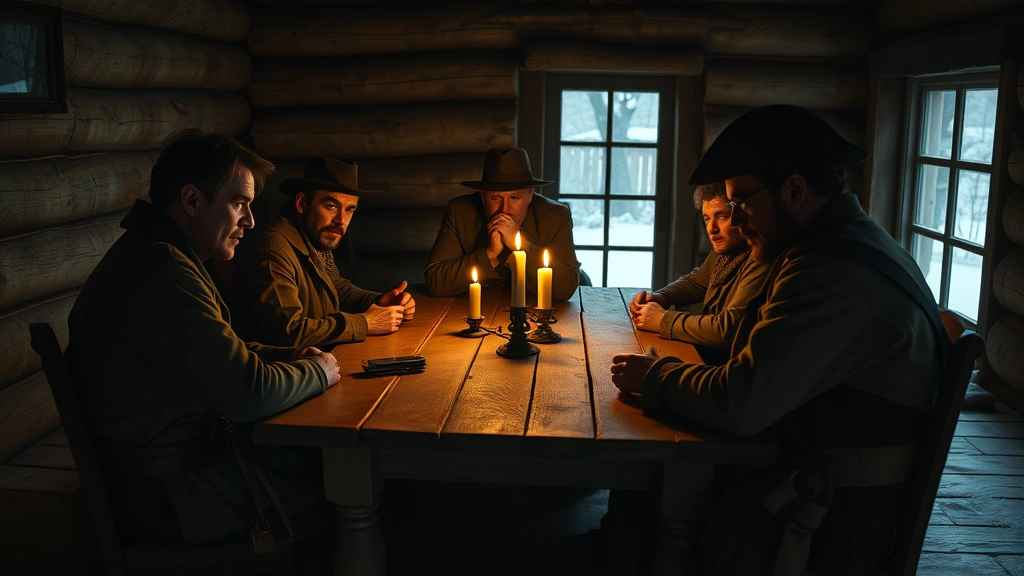
Quentin Tarantino’s The Hateful Eight stands as a masterclass in chamber filmmaking, a confined narrative that explodes with psychological tension and moral ambiguity. Released in 2015, this western-thriller hybrid challenged conventional storytelling by trapping eight characters in a cabin during a blizzard, forcing audiences to confront uncomfortable truths about prejudice, survival, and the nature of deception. The film represents a pivotal moment in contemporary cinema where auteur-driven narratives refuse to compromise on complexity, even as streaming platforms and fragmented audiences demand increasingly simplified content.
This exploration examines how The Hateful Eight influenced modern filmmaking discourse, reshaped conversations about genre boundaries, and demonstrated the commercial viability of uncompromising artistic vision. Through the lens of film criticism, production design, narrative structure, and cultural reception, we uncover why this Tarantino masterpiece continues to generate heated debate among cinephiles and casual viewers alike. The film’s impact extends beyond box office numbers—it fundamentally altered how studios perceive prestige cinema and character-driven thrillers in an era dominated by franchises.

The Hateful Eight: A Chamber Drama Reimagined
Tarantino’s eighth feature film operates within severe spatial constraints—primarily a single cabin location—yet generates extraordinary dramatic momentum. This approach recalls classical theater more than contemporary blockbuster cinema, positioning the film as a rebellion against spectacle-driven narratives. By anchoring the story in intimate character interactions rather than action sequences or expansive landscapes, Tarantino created something increasingly rare: a film that demands intellectual engagement and emotional investment simultaneously.
The premise itself functions as a pressure cooker. Eight strangers, each harboring secrets and motivations, find themselves snowbound together. The audience gradually discovers that this assembly is no accident—hidden agendas, past grievances, and survival instincts collide in ways that systematically dismantle trust and civility. This structure allows Tarantino to explore fundamental questions about human nature without the distraction of external plot mechanics. Unlike many ensemble films that prioritize action or spectacle, The Hateful Eight treats conversation as the primary dramatic vehicle.
The film’s influence on contemporary screenwriting cannot be overstated. Screenwriters increasingly recognize that dialogue-heavy, character-focused narratives can command audience attention without relying on visual effects or action set pieces. This validation matters enormously in an industry often pressured toward formulaic content. When you examine ScreenVibe Daily’s film analysis, you’ll notice growing appreciation for narratively complex films that prioritize character psychology.
Narrative Structure and Screenplay Innovation
The screenplay demonstrates structural audacity rarely seen in major studio productions. Tarantino divides the narrative into distinct chapters, each revealing new information that recontextualizes previous scenes. This fractured chronology forces viewers to actively participate in meaning-making rather than passively consuming a predetermined narrative. The technique, familiar from Tarantino’s earlier work, reaches new sophistication in The Hateful Eight—each revelation doesn’t simply add information but fundamentally alters audience understanding of character motivations and reliability.
The script’s economy of exposition proves masterful. Rather than delivering backstory through clumsy exposition, Tarantino weaves character history into dialogue that serves immediate dramatic purposes. Characters reveal themselves through conversation, argument, and carefully measured admissions. This approach respects audience intelligence while maintaining narrative momentum. The screenplay functions simultaneously as character study, mystery thriller, and philosophical meditation on trust and deception.
Critics and screenwriting instructors consistently reference The Hateful Eight when discussing advanced dialogue construction. The film demonstrates how conversations can simultaneously advance plot, develop character, build tension, and explore thematic material. This integration of multiple narrative functions within single scenes represents the kind of sophisticated writing that elevates cinema as an art form. When exploring best movie review sites, you’ll find consistent praise for the screenplay’s architectural brilliance.
Key structural elements include:
- Chapter-based narrative organization that mirrors classical dramatic form
- Nested revelations that reframe audience understanding of prior events
- Strategic information withholding that maintains suspense throughout extended sequences
- Dialogue that functions as action, character development, and thematic exploration simultaneously
- Non-linear chronology that demands active audience participation in constructing narrative meaning
Cinematography and Visual Storytelling
Cinematographer Robert Richardson’s work in The Hateful Eight transforms a confined space into a visually compelling universe. Rather than compensating for spatial limitation through frenetic camera movement or cutting, Richardson employs deliberate, purposeful cinematography that emphasizes character relationships and emotional stakes. The camera positions viewers as active participants in the psychological drama, moving with precision to reveal character expressions, spatial relationships, and the physical manifestations of tension.
The decision to shoot in 70mm—a format typically reserved for epic landscapes and grand spectacle—for a chamber drama set almost entirely indoors represents bold artistic choice. This decision fundamentally challenges assumptions about what cinematographic formats suit particular narratives. By applying epic cinematography to intimate drama, Tarantino and Richardson elevate the material, suggesting that character-driven narratives deserve the same technical sophistication as action blockbusters. The visual language communicates that these characters, their conflicts, and their moral dilemmas matter as much as any explosive action sequence.
Lighting design becomes character development. The harsh, often unflattering lighting emphasizes the characters’ moral ambiguity and psychological complexity. There are no heroic backlights or flattering angles—instead, the visual style mirrors the narrative’s refusal to provide easy moral judgments or comfortable resolutions. This approach influenced subsequent prestige television and independent cinema, demonstrating that visual sophistication serves thematic purpose rather than aesthetic vanity.
Genre Deconstruction and Western Traditions
While classified as a western, The Hateful Eight systematically deconstructs genre conventions. Traditional westerns emphasize frontier morality, clear good-versus-evil conflicts, and the triumph of civilization over wilderness. Tarantino’s film inverts these expectations. The wilderness (represented by the blizzard) provides the setting, but the real conflict emerges from human nature itself. The characters represent the failure of civilization—they bring their prejudices, violence, and moral corruption into the cabin, making the external blizzard seem almost benign by comparison.
The film interrogates the western genre’s historical relationship with racism and violence. By centering racial conflict and explicitly addressing historical atrocities, The Hateful Eight refuses the genre’s traditional evasions. This approach sparked important critical conversations about how genres encode historical narratives and whether contemporary filmmakers can reclaim genres without reproducing their problematic ideologies. The film suggests that genre deconstruction requires more than subverting plot expectations—it demands confronting the moral and historical assumptions embedded within generic conventions.
This influence extends throughout contemporary cinema. Filmmakers increasingly recognize that genre films can serve as vehicles for complex social commentary. Rather than dismissing genre cinema as inherently populist or simplistic, critics and scholars now understand that genre can be intellectually rigorous and aesthetically sophisticated. Horror-comedy and genre hybrids flourish partly because The Hateful Eight demonstrated that audiences accept formal innovation within genre frameworks.
Cultural Context and Social Commentary
The film’s explicit engagement with racism, particularly the post-Civil War context and ongoing racial violence, positioned it as culturally significant beyond entertainment value. Released during a period of intensified national conversation about systemic racism and police violence, The Hateful Eight confronted audiences with historical violence and contemporary prejudice. The film doesn’t resolve these tensions comfortably—instead, it suggests that the hatreds established during slavery persist into the present day, encoded in individual psychology and social structure.
Tarantino’s approach to racial violence has always generated controversy, but The Hateful Eight presents his most sustained engagement with the topic. Rather than deploying racial slurs or violence as stylistic flourish, the film uses language and violence to illuminate character psychology and historical trauma. This distinction matters—the film examines how prejudice operates psychologically and interpersonally rather than treating racism as backdrop or aesthetic choice.
The film’s cultural impact includes forcing mainstream film criticism to engage more seriously with how cinema represents historical trauma and social violence. Conversations about representation, authenticity, and responsibility intensified following the film’s release. While critical consensus remains divided regarding Tarantino’s approach, few dispute that the film provoked necessary conversations about cinema’s relationship to difficult historical material.
The blizzard setting itself functions metaphorically. The external storm isolates the characters, forcing confrontation with internal storms—the psychological violence, prejudices, and moral compromises that define human relationships. This symbolic framework allows Tarantino to explore how external circumstances reveal internal truths, how survival pressures strip away social civility, and how violence emerges from fear and desperation as much as from ideology.
Industry Impact and Critical Reception
Despite mixed commercial performance relative to its budget, The Hateful Eight significantly influenced industry perception of prestige cinema. The film demonstrated that audiences would engage with formally complex, dialogue-heavy narratives featuring no clear protagonist and minimal action sequences. This validation mattered to studios hesitant about financing character-driven dramas competing against franchise tentpoles and superhero spectacles.
The film earned eight Academy Award nominations, including Best Picture, cementing its status within the prestige film ecosystem. However, its cultural resonance extends beyond award recognition. Film critics, screenwriters, and film scholars consistently reference The Hateful Eight when discussing contemporary cinema’s artistic possibilities. The film appears regularly in contemporary film discussions and critical retrospectives, suggesting enduring cultural significance beyond initial release.
Critical and industry recognition includes:
- Eight Academy Award nominations across technical and creative categories
- Golden Globe nominations for Best Motion Picture–Drama and directing
- BAFTA nominations for Best Film and cinematography
- Consistent inclusion in best films of the 2010s lists by major publications
- Widespread adoption in film schools as exemplary screenwriting and cinematography
The film’s influence on subsequent filmmaking extends to both studio productions and independent cinema. Screenwriters increasingly recognize that dialogue-driven narratives can sustain feature length without action sequences or spectacle. Studios, while still preferring franchise content, acknowledge the commercial viability of prestige dramas targeting adult audiences. This modest shift in industry perception reflects The Hateful Eight‘s cumulative cultural impact.
Character Development Through Dialogue
Each of the eight characters possesses distinct vocal patterns, speech rhythms, and linguistic markers that reveal psychology and background. Tarantino’s ear for dialogue proves essential—characters don’t simply speak exposition, they reveal themselves through vocabulary choices, accent, and conversational style. Samuel L. Jackson’s Joe Gage, for instance, uses language as weapon and shield simultaneously, his elaborate monologues functioning as both character revelation and thematic commentary.
The ensemble cast—including Kurt Russell, Jennifer Jason Leigh, Walton Goggins, Michael Madsen, Demián Bichir, and others—performs with remarkable nuance. Rather than playing broad types, the actors inhabit complex individuals whose motivations remain ambiguous and contradictory. Leigh’s performance as Daisy Domergue particularly stands out, creating a character simultaneously sympathetic and monstrous, victim and villain, depending on perspective and information available.
This approach to character development through dialogue and performance influenced how contemporary screenwriters conceptualize ensemble narratives. Rather than providing characters with clear moral positions or consistent psychological traits, modern screenwriting increasingly embraces contradiction and ambiguity. Characters reveal themselves through conversation, conflict, and circumstance rather than through exposition or internal monologue. This technique respects both audience intelligence and character complexity.
The film demonstrates that dialogue serves multiple simultaneous functions: it advances narrative, develops character, builds tension, explores themes, and creates rhythm and pacing. This integration of functions represents sophisticated screenwriting craft. When examining famous movie quotes and dialogue, The Hateful Eight consistently appears, its lines memorable precisely because they illuminate character while advancing narrative.
Understanding character motivation requires audience participation. Viewers must piece together backstory, interpret subtext, and recognize when characters lie or conceal information. This active engagement with character psychology mirrors the characters’ own efforts to read each other—the audience experiences the same uncertainty and interpretive challenges as the characters themselves.
FAQ
What is The Hateful Eight about?
The Hateful Eight follows eight strangers trapped in a cabin during a blizzard. As they wait out the storm, hidden agendas emerge, trust disintegrates, and violence erupts. The narrative employs chapters and non-linear chronology to reveal how past conflicts and present circumstances collide, forcing characters to confront prejudice, survival instincts, and moral compromise.
Why did Tarantino shoot The Hateful Eight in 70mm?
Shooting in 70mm—a format typically reserved for epic landscapes—for an intimate chamber drama represents artistic statement. This choice elevates character-driven narratives to the same technical sophistication as action blockbusters. The format emphasizes facial expressions, emotional nuance, and psychological detail, treating interpersonal conflict with the visual grandeur typically reserved for external spectacle.
How does The Hateful Eight deconstruct the western genre?
Traditional westerns emphasize frontier morality and civilization versus wilderness. The Hateful Eight inverts these conventions, suggesting that human nature itself represents the greatest threat. By centering racial violence and historical trauma, the film refuses the genre’s traditional evasions, demonstrating that contemporary filmmakers can engage with genres while interrogating their problematic ideologies.
What influenced The Hateful Eight’s screenplay structure?
The chapter-based, non-linear narrative structure derives from classical dramatic forms and Tarantino’s earlier work. Each chapter reveals new information that recontextualizes prior scenes, forcing audiences to actively construct narrative meaning. This approach respects viewer intelligence while maintaining suspense and psychological engagement.
How has The Hateful Eight influenced contemporary filmmaking?
The film validated character-driven, dialogue-heavy narratives in an industry favoring spectacle and franchises. It demonstrated that audiences engage with formally complex, morally ambiguous stories featuring no clear protagonist. The film’s influence extends to screenwriting pedagogy, cinematography approaches, and critical conversations about genre, representation, and cinema’s artistic possibilities.
Is The Hateful Eight appropriate for all audiences?
No. The film contains graphic violence, racial slurs used within historical context, and intense psychological conflict. It targets adult audiences comfortable with challenging narratives and explicit content. The film’s R rating reflects both language and violence, making it unsuitable for younger viewers.
Where can I watch The Hateful Eight?
Availability varies by region and platform. Check streaming service availability guides for current information about where the film is available in your location. The film received theatrical release and subsequent streaming distribution, though specific platforms change regularly.
What makes The Hateful Eight different from other Tarantino films?
While maintaining Tarantino’s signature style—dialogue-driven narrative, non-linear chronology, genre deconstruction—The Hateful Eight emphasizes spatial constraint and psychological intensity over action sequences. The film’s sustained focus on a single location and ensemble cast psychology distinguishes it from Tarantino’s other work, approaching chamber drama territory while maintaining his distinctive voice.


