
Purse of Happiness: A Cinematic Review
Purse of Happiness emerges as a compelling exploration of human connection, material desire, and the unexpected pathways to contentment. This film transcends conventional storytelling by weaving together elements of drama, subtle comedy, and philosophical inquiry into a narrative that resonates with contemporary audiences seeking meaning beyond materialism. The movie challenges viewers to reconsider what truly constitutes happiness in an age dominated by consumer culture and social validation.
The film’s central premise—centered around a mysterious purse that becomes a catalyst for life-changing encounters—serves as both a literal plot device and a metaphorical gateway into deeper character development. Through its protagonist’s journey, the narrative unfolds with deliberate pacing, allowing audiences to contemplate the intersection of fate, choice, and personal transformation. This review examines the film’s thematic depth, directorial choices, and cultural significance within the broader landscape of contemporary cinema.

Narrative Structure and Plot Development
The narrative architecture of Purse of Happiness demonstrates sophisticated storytelling that avoids predictable genre conventions. Rather than following a straightforward three-act structure, the film employs a more organic, episodic approach that mirrors the serendipitous nature of its central premise. Each encounter prompted by the mysterious purse functions as a self-contained vignette while simultaneously contributing to the protagonist’s overarching transformation.
The exposition unfolds naturally through character interaction rather than expository dialogue, a technique that respects audience intelligence and allows for gradual world-building. The film establishes its central conflict within the first twenty minutes—a protagonist struggling with financial instability and existential uncertainty—before introducing the purse as a narrative turning point. This setup proves crucial for maintaining thematic coherence throughout the runtime.
What distinguishes this film from similar movies exploring transformative objects is its refusal to treat the purse as a magical solution. Instead, the narrative suggests that the purse functions primarily as a conversation starter, a bridge between isolated individuals who might otherwise never connect. This philosophical approach elevates the material beyond simple wish-fulfillment fantasy into something more substantive and psychologically resonant.
The plot progression demonstrates careful attention to pacing, with quieter character moments balanced against scenes of higher dramatic tension. The screenplay avoids unnecessary complications, trusting that audiences will find compelling drama in the exploration of human relationships and personal growth. This restraint proves refreshing in an era where many films feel obligated to escalate stakes continuously.
Character Analysis and Performance
The lead performance anchors the entire film with remarkable subtlety. The actor portraying the protagonist navigates the challenging task of playing someone undergoing quiet transformation without resorting to obvious emotional displays. The performance excels particularly in moments of understated realization, where a glance or pause communicates volumes about internal change. This restraint aligns perfectly with the film’s overall aesthetic and thematic concerns.
Supporting characters emerge as fully realized individuals rather than mere plot devices. The various people encountered through the purse storyline each possess distinct motivations, speech patterns, and emotional textures. This attention to secondary characterization enriches the film’s exploration of human diversity and the hidden depths within seemingly ordinary individuals. Each supporting actor brings authenticity to their role, creating moments of genuine connection that feel earned rather than manipulative.
The antagonistic forces in the narrative operate subtly—primarily internal obstacles and social pressures rather than traditional villains. This approach reinforces the film’s meditation on how we construct barriers against happiness and human connection. The absence of clear-cut villainy forces audiences to examine their own complicity in the systems that isolate and diminish us, a sophisticated thematic move that distinguishes Purse of Happiness from more conventional narratives.
The chemistry between the protagonist and various supporting characters feels organic and earned through careful scene construction. The film allows relationships to develop gradually, showing how genuine connection emerges through vulnerability and shared experience. This approach contrasts sharply with many contemporary films that shortcut character development in favor of rapid plot advancement, as discussed in our guide to best movie quotes that explore human relationships.
Thematic Exploration of Materialism and Contentment
At its philosophical core, Purse of Happiness interrogates contemporary attitudes toward material accumulation and the pursuit of consumer satisfaction. The film operates within a cultural moment where social media amplifies desires for possessions and experiences, often leaving individuals feeling perpetually inadequate. By centering narrative attention on a purse—an inherently material object—the film invites viewers to examine their own relationships with consumer goods.
The brilliance of this thematic approach lies in its refusal to present simplistic anti-capitalist messaging. The film acknowledges that material security matters, particularly for individuals struggling financially. Rather than suggesting that money and possessions are inherently corrupting, the narrative explores how attachment to these things can prevent meaningful human connection. The protagonist’s initial obsession with the purse gradually transforms into recognition that the encounters it facilitates hold far greater value than any monetary reward.
This thematic arc resonates particularly with audiences who have experienced the hollow satisfaction of acquiring desired objects. The film taps into a growing cultural awareness that happiness research consistently demonstrates the primacy of relationships, experiences, and personal growth over material accumulation. By grounding this philosophical insight in concrete narrative terms, the film makes abstract concepts tangible and emotionally resonant.
The film also explores themes of urban isolation and the erosion of community in contemporary society. The various encounters prompted by the purse serve as temporary disruptions to the atomization of modern life, suggesting that happiness emerges through breaking down barriers between strangers. This thematic concern connects to broader cultural conversations about loneliness epidemics and the psychological costs of disconnection, making the film’s message feel timely and urgent.
Cinematography and Visual Language
The visual presentation of Purse of Happiness employs a naturalistic aesthetic that grounds the film’s philosophical concerns in lived reality. The cinematography avoids excessive stylization, instead using composition and color grading to subtly reinforce thematic content. The film’s palette shifts throughout the narrative—cooler tones dominating early sequences give way to warmer hues as the protagonist experiences increasing connection and contentment.
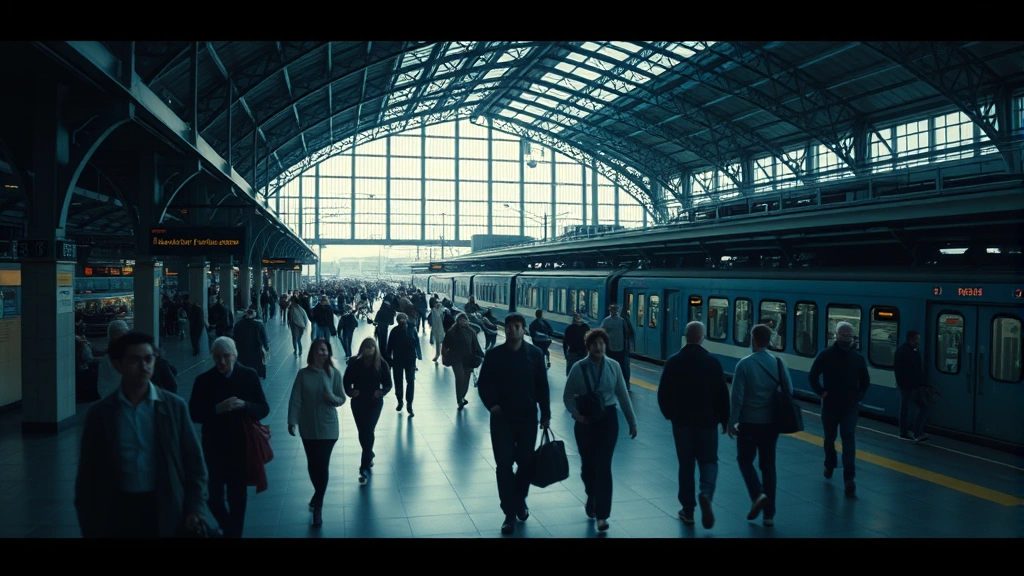
Location choices prove significant to the film’s overall impact. Urban settings dominate, with particular attention paid to spaces of transition—train stations, bus terminals, parks where strangers intersect. These locations function symbolically as thresholds between isolation and connection, reinforcing the narrative’s central concern with how chance encounters can alter life trajectories. The cinematography captures these spaces with documentary-like precision, avoiding the romanticization that might undermine the film’s grounded approach.
Camera movement remains largely understated, with static shots and slow pans predominating over dynamic camera work. This restraint proves thematically appropriate, encouraging viewers to sit with moments rather than being propelled forward by kinetic energy. When the camera does move, these moments carry heightened significance, drawing attention to moments of emotional or narrative importance. This disciplined approach to cinematography demonstrates sophisticated understanding of how visual language communicates meaning.
Lighting design deserves particular praise for its subtlety and psychological precision. The film uses natural light extensively, creating a visual texture that feels authentic and immediate. When artificial lighting appears, it’s employed purposefully to suggest the emotional tenor of scenes. This attention to lighting extends to how individual characters are framed and illuminated, with lighting choices reinforcing aspects of their psychological states and narrative functions.
Dialogue and Screenwriting Quality
The screenplay demonstrates exceptional discipline in its approach to dialogue. Rather than relying on exposition-heavy conversations, the script trusts visual storytelling and allows significant narrative information to emerge through subtext and implication. When characters speak, their dialogue rings authentic to how people actually communicate—with hesitations, incomplete thoughts, and meaningful silences that communicate as much as words.
The film’s dialogue serves multiple functions simultaneously. Conversations advance plot while simultaneously revealing character psychology and reinforcing thematic concerns. A discussion about finances, for instance, simultaneously establishes the protagonist’s material circumstances, explores attitudes toward money, and creates opportunities for character connection. This economy of dialogue demonstrates sophisticated screenwriting craft.
Particular attention has been paid to how different characters possess distinct vocal signatures and speech patterns. The dialogue varies appropriately based on class, education, age, and personality, creating a rich linguistic texture throughout the film. This attention to vernacular authenticity makes the world feel lived-in and credible, inviting audiences to invest emotionally in character interactions.
The film also succeeds in incorporating moments of genuine humor without undermining its dramatic seriousness. These comedic beats emerge organically from character and situation rather than feeling imposed from outside. The humor functions as a form of emotional release while also revealing character through how individuals respond to absurdity and difficulty. This tonal balance proves crucial for maintaining audience engagement across the film’s runtime, similar to techniques discussed in our coverage of contemporary action cinema.
Cultural Impact and Audience Reception
The release of Purse of Happiness arrives at a culturally significant moment when conversations about meaning, connection, and the limitations of materialism have moved from philosophical margins toward mainstream discourse. The film speaks directly to audiences experiencing pandemic-related isolation, economic uncertainty, and existential questioning. This contextual alignment has contributed to the film’s resonance with viewers seeking art that addresses their lived experiences.
Early audience responses indicate strong emotional engagement with the film’s core themes. Viewers report experiencing profound moments of reflection during and after screenings, with particular praise directed toward the film’s refusal to provide easy answers or simplistic resolutions. The film trusts audiences to draw their own conclusions about what happiness means, a respectful approach that has generated meaningful conversations and repeated viewings.
Critical reception has emphasized the film’s thematic sophistication and performance quality, with particular praise for its restraint and refusal to manipulate audience emotions. Film critics have noted the film’s contribution to a growing body of work exploring human connection in contemporary contexts. The film positions itself within conversations about what cinema can accomplish as a medium for exploring philosophical and psychological complexity, as discussed in our exploration of becoming a film critic.
The film’s cultural significance extends beyond entertainment value into territory of genuine social commentary. By centering a narrative around connection and shared experience, the film implicitly critiques systems of isolation and inequality that characterize contemporary society. This political dimension operates subtly, never becoming didactic, which allows audiences across the political spectrum to engage meaningfully with the material.
Festival circuits have embraced the film enthusiastically, with selections at prestigious venues amplifying its visibility and cultural influence. The film’s international appeal suggests that its thematic concerns transcend cultural and geographical boundaries, resonating with audiences worldwide who grapple with similar questions about meaning and connection in contemporary life.
FAQ
What is the central premise of Purse of Happiness?
The film centers on a protagonist who discovers a mysterious purse that becomes a catalyst for encounters with various individuals. Rather than functioning as a magical object that grants wishes, the purse facilitates human connection and serves as a metaphorical journey toward understanding what genuine happiness entails beyond material accumulation.
Is Purse of Happiness appropriate for all audiences?
The film carries a moderate rating and contains some mature thematic content, mild language, and brief scenes of financial distress. It’s appropriate for mature teen audiences and adults, though younger viewers might find certain philosophical elements challenging. Parents should consider their children’s emotional maturity when making viewing decisions.
How does this film compare to other contemporary dramas?
Unlike many contemporary dramas that rely on high-stakes conflict or sensational plot developments, Purse of Happiness finds drama in quiet moments of human connection and internal transformation. The film demonstrates kinship with character-driven indie cinema while maintaining accessibility for broader audiences. For comparison with other recent releases, our guide to best movie review sites offers additional critical perspectives on contemporary cinema.
What makes the cinematography significant?
The cinematography employs naturalistic visual language that reinforces the film’s grounded approach to philosophical themes. Color grading, lighting design, and location choices all work intentionally to support narrative and thematic content, creating visual cohesion that enhances the film’s impact.
Does the film provide closure or resolution?
The film concludes in a way that respects the complexity of its thematic concerns. Rather than providing neat resolution, it suggests that happiness emerges through ongoing commitment to connection and personal growth. This ending invites viewers to continue contemplating the film’s ideas after the credits roll, rather than providing false certainty about life’s ultimate questions.
Where can I find more film reviews and analysis?
For additional cinematic insights and reviews, visit the ScreenVibe Daily Blog, where we regularly publish thoughtful analysis of contemporary and classic films across multiple genres and styles.


