Rendition Movie: A Critical Review of Political Thriller Cinema
Gavin Hood’s 2007 film Rendition stands as a pivotal examination of post-9/11 geopolitical tensions, exploring the murky intersection of national security, moral compromise, and human rights violations. The film weaves together multiple narrative threads to create a complex portrait of extraordinary rendition—the covert practice of transporting suspected terrorists to foreign countries for interrogation outside legal frameworks. With a stellar ensemble cast including Reese Witherspoon, Jake Gyllenhaal, and Meryl Streep, Rendition tackles controversial subject matter with unflinching directness, challenging audiences to confront uncomfortable truths about governmental power and institutional accountability.
This critical review examines how Rendition functions as both political commentary and intimate human drama, analyzing its narrative structure, thematic depth, and cultural significance within the broader landscape of contemporary cinema. The film’s release during the height of post-9/11 discourse made it a lightning rod for debate, yet its artistic merit and emotional resonance continue to resonate with viewers seeking comprehensive film analysis and thoughtful examination of political narratives.

Plot Overview and Narrative Structure
Rendition opens with the kidnapping of Anwar El-Ibrahimi, an Egyptian-born chemical engineer living in Chicago with his pregnant American wife Corrinne. Following his rendition to an unnamed North African country, Anwar vanishes into a black site detention facility where he faces brutal interrogation. Meanwhile, Corrinne desperately searches for her husband, navigating bureaucratic obstacles and governmental stonewalling. The narrative simultaneously follows Jake Gyllenhaal’s character, Douglas Freeman, a CIA analyst stationed at the rendition site, whose moral awakening forms the emotional core of the film.
Hood’s directorial approach employs a non-linear timeline, fragmenting the narrative across multiple perspectives and geographical locations. This structural choice mirrors the disorientation experienced by both victims and perpetrators within the rendition apparatus. The film cuts between Anwar’s torture sequences, Corrinne’s desperate advocacy efforts, Freeman’s internal conflict, and intelligence officials justifying their actions through national security rhetoric. This fragmentation prevents audiences from settling into comfortable emotional distance, forcing engagement with competing moral frameworks. The screenplay, written by Kelley Sane, demonstrates sophisticated understanding of how institutional systems perpetuate injustice while individual actors within those systems often operate with limited information and compromised moral agency.
The narrative architecture reveals how rendition operates as a systematic failure of accountability. Each character occupies a different position within the apparatus—victim, spouse, analyst, interrogator, administrator—creating a comprehensive examination of how ordinary people become complicit in extraordinary crimes. The film’s structure emphasizes that rendition cannot be reduced to individual moral failures but represents systemic dysfunction requiring institutional reform.

Thematic Analysis: Rendition and Morality
At its core, Rendition explores the tension between security imperatives and human rights protections. The film presents characters genuinely convinced that rendition serves legitimate national security purposes, yet demonstrates how this conviction enables systematic torture and human rights violations. This moral ambiguity distinguishes Rendition from simpler political narratives that pit heroes against villains. Instead, the film suggests that institutional structures can corrupt even well-intentioned actors, transforming security professionals into torturers almost imperceptibly.
The theme of state-sanctioned violence permeates every scene, particularly through the contrast between official denials and visible brutality. Intelligence officials deny knowledge of rendition while Anwar suffers torture documented onscreen. This gap between official narrative and reality reflects actual post-9/11 governmental practices, where the CIA maintained that enhanced interrogation techniques did not constitute torture. Rendition forces audiences to confront this rhetoric by showing torture’s physical and psychological devastation, making abstract policy debates visceral and undeniable.
Freeman’s character arc embodies the film’s exploration of moral awakening within compromised institutions. Initially, Freeman accepts rendition as necessary counterterrorism policy. However, as he witnesses Anwar’s torture and recognizes the intelligence community’s self-deception about its efficacy, Freeman experiences genuine moral crisis. His eventual resistance represents the possibility of individual conscience within institutional systems, yet the film carefully avoids suggesting that individual resistance can reform fundamentally corrupt systems. Freeman’s actions remain largely ineffectual, highlighting the powerlessness of isolated moral actors.
The film also examines how rendition affects families and communities. Corrinne’s desperate search emphasizes how state violence extends beyond direct victims to their loved ones. Her journey through bureaucratic indifference and official denialism demonstrates how governments weaponize institutional procedures to avoid accountability. Similarly, the film depicts how rendition destabilizes entire communities, breeding resentment and radicalization among those who witness governmental violence against innocent community members.
Cast Performances and Character Development
Reese Witherspoon delivers a career-defining performance as Corrinne, transforming her character from desperate spouse into fierce advocate. Witherspoon portrays Corrinne’s emotional journey with nuance—progressing from shock through anger to determined activism. Her scenes navigating governmental indifference gain power through Witherspoon’s ability to convey both vulnerability and steely determination. Corrinne represents ordinary citizens confronting extraordinary governmental power, and Witherspoon makes her struggle genuinely moving without resorting to melodrama.
Jake Gyllenhaal’s Douglas Freeman anchors the film’s moral center. Gyllenhaal portrays Freeman’s gradual awakening with subtle intensity, avoiding obvious character transformation beats. Instead, Freeman’s moral crisis emerges through accumulated moments of doubt and recognition. Gyllenhaal’s performance suggests that moral awakening rarely arrives as dramatic epiphany but rather accumulates through persistent cognitive dissonance. His scenes with Anwar—particularly the interrogation sequences—become increasingly unbearable as Freeman recognizes his complicity.
Omar Metwally brings devastating vulnerability to Anwar, conveying both innocence and the psychological destruction inflicted by torture. Metwally’s performance avoids making Anwar a political symbol, instead emphasizing his humanity and the arbitrary nature of his rendition. Meryl Streep’s CIA Deputy Director Corrinne Whitman presents the institutional perspective, portraying governmental actors as genuinely convinced of their righteousness. Streep’s performance prevents audiences from dismissing government officials as cartoonish villains, instead suggesting how institutional logic can rationalize systematic violence.
The ensemble cast approach strengthens the film’s thematic exploration. By presenting multiple perspectives, the film avoids simplistic moral hierarchies and instead suggests that rendition emerges from complex interactions between institutional pressures, individual psychology, and political ideology. Each character contributes to understanding how systems of injustice maintain themselves through distributed responsibility and institutional rationalization.
Cinematography and Visual Storytelling
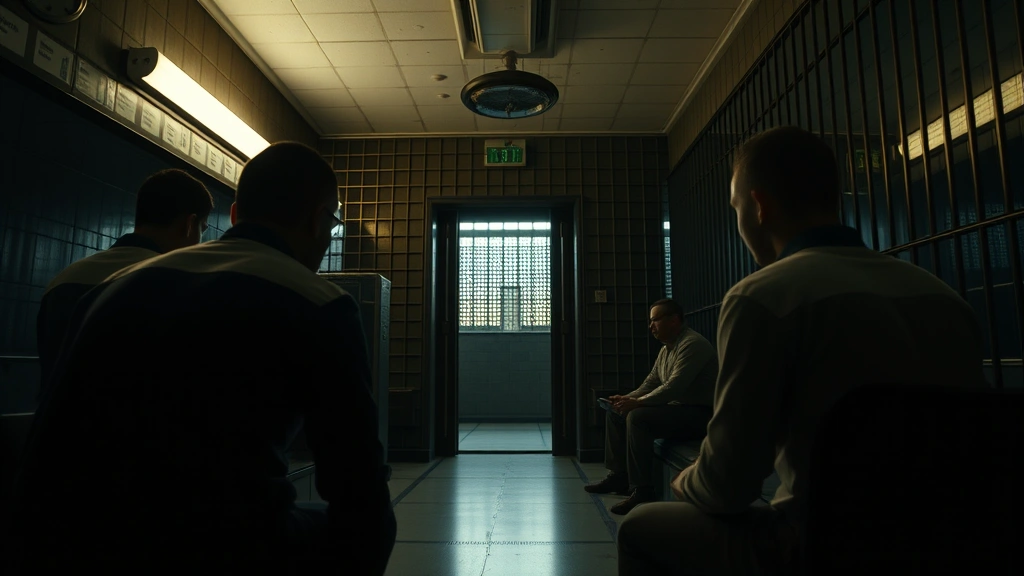
Cinematographer Dion Beebe employs visual language that reinforces the film’s thematic concerns. The film contrasts the bright, ordered spaces of American governmental institutions with the dark, chaotic environments of the rendition site. This visual distinction emphasizes how official spaces sanitize violence through distance and bureaucratic language, while actual torture occurs in obscured locations beyond public scrutiny. Beebe’s lighting choices create visual discomfort, using harsh shadows and desaturated colors to emphasize moral ambiguity.
The cinematography particularly excels in depicting torture sequences without gratuitous exploitation. Beebe frames these scenes to convey pain and degradation while maintaining artistic integrity. The camera sometimes looks away, respecting viewers’ psychological limits while refusing to fully shield audiences from rendition’s reality. This visual approach balances documentary authenticity with ethical filmmaking, avoiding both sensationalism and sanitization.
Hood and Beebe utilize location cinematography effectively, contrasting Chicago’s familiar American landscapes with the foreign rendition site’s unfamiliar geography. This visual distinction reinforces themes about how rendition operates beyond American legal jurisdiction, in spaces where governmental power faces no institutional constraints. The cinematography emphasizes how rendition depends on geographical distance and jurisdictional ambiguity to function.
Political Context and Social Impact
Released in 2007, Rendition intervened directly into ongoing political debates about post-9/11 security policies. The film’s explicit engagement with extraordinary rendition, enhanced interrogation, and CIA black sites addressed practices that the Bush administration officially denied while actually conducting. Rendition contributed to broader cultural conversation that eventually produced public acknowledgment of these programs, though accountability remained limited. The film’s social impact derived partly from its willingness to dramatize classified practices that governments preferred remaining hidden.
Within the landscape of contemporary political cinema, Rendition joined films like Lions for Lambs and In the Valley of Elah in interrogating post-9/11 American foreign policy. These films emerged during a period when mainstream cinema increasingly engaged with political critique, responding to public anxiety about governmental overreach. Rendition distinguished itself through its focus on rendition specifically, a practice less visible in public discourse than drone strikes or waterboarding.
The film’s reception varied significantly across political perspectives. Conservative critics sometimes dismissed Rendition as anti-American propaganda, while progressive audiences praised its willingness to critique governmental practices. This polarized reception reflected broader cultural divisions about security versus civil liberties. However, Rendition‘s artistic merit transcended partisan positioning, offering genuine exploration of moral complexity rather than simplistic political messaging. You can explore more film analysis and reviews to understand cinema’s relationship with political discourse.
The film’s historical significance increased following revelations about CIA torture programs. When public documents confirmed rendition, torture, and black sites, Rendition‘s dramatization gained documentary power. The film had accurately depicted practices that governments denied, making it a valuable historical document as well as artistic achievement. This retrospective validation strengthened the film’s reputation among critics and scholars studying cinema’s engagement with political reality.
Critical Reception and Audience Response
Critical reception of Rendition proved decidedly mixed, with significant variation between mainstream critics and specialized film analysts. Major publications offered contradictory assessments, reflecting broader disagreements about how cinema should engage political subject matter. Some critics praised the film’s moral seriousness and artistic ambition, while others found it heavy-handed or didactic. However, critics generally acknowledged the film’s technical excellence and committed performances, even when disagreeing about its overall effectiveness.
Audience responses varied significantly based on political orientation and prior views about post-9/11 security policies. Progressive audiences often embraced Rendition as important political cinema, while conservative viewers sometimes rejected it as propaganda. This polarized reception reflected the film’s explicit engagement with controversial contemporary politics. However, the film also attracted viewers primarily interested in character-driven drama and moral complexity, who appreciated its thematic sophistication regardless of political alignment.
Over time, Rendition‘s critical reputation has improved as historical perspective increased. Once dismissed by some as politically motivated, the film now appears as serious artistic engagement with documented governmental practices. Scholars studying cinema and politics frequently examine Rendition as exemplary case of how fiction dramatizes classified reality. The film’s prescience—depicting practices that governments later acknowledged—has enhanced its historical significance.
The film’s impact on popular understanding of rendition remains significant. For many viewers, Rendition provided their primary exposure to extraordinary rendition as systematic practice. The film contributed to public awareness that enabled later political pressure for accountability. While individual films rarely drive policy change, Rendition participated in broader cultural conversation that eventually produced limited reforms and increased transparency about CIA practices.
Contemporary viewers interested in understanding post-9/11 political cinema should examine Rendition alongside similar political thrillers that engaged security debates. The film’s approach to dramatizing classified practices offers valuable lessons about cinema’s capacity to inform public understanding of governmental operations. For those seeking deeper exploration of political cinema, examining films exploring contemporary issues provides context for understanding Rendition‘s contribution to the genre.
According to Pew Research Center studies on media consumption and political awareness, films addressing contemporary policy debates significantly influence public understanding of complex governmental practices. Rendition exemplifies how narrative cinema can communicate information about classified operations in emotionally compelling ways that transcend traditional news reporting. The film demonstrates cinema’s unique capacity to dramatize abstraction, making distant governmental practices psychologically immediate and morally urgent.
FAQ
What is extraordinary rendition?
Extraordinary rendition refers to the covert practice of transporting suspected terrorists to foreign countries for interrogation outside legal frameworks. The practice gained prominence following 9/11, when the CIA transported detainees to countries with fewer legal protections, enabling interrogation techniques prohibited in the United States. Rendition dramatizes this practice and its human consequences.
Is Rendition based on true events?
While Rendition is fictional, it dramatizes real practices documented in government reports and journalism investigations. The film’s plot reflects actual rendition cases, particularly the case of Khaled El-Masri, a German citizen mistakenly rendered to Syria. The film uses fictional characters to explore documented governmental practices.
How accurate is Rendition’s depiction of CIA interrogation?
The film accurately portrays enhanced interrogation techniques that the CIA actually employed, including sleep deprivation and stress positions. However, Rendition is dramatization rather than documentary. The specific rendition site and characters are fictional, though based on documented practices at actual CIA black sites.
Why was Rendition controversial?
Rendition was controversial because it depicted governmental practices that the Bush administration officially denied while actually conducting. The film’s explicit depiction of torture and governmental wrongdoing made it politically contentious. Conservative critics sometimes dismissed it as anti-American, while progressive audiences praised its willingness to critique governmental overreach.
Has Rendition’s reputation changed since release?
Yes, Rendition‘s reputation has improved significantly. Once dismissed by some as politically motivated, the film now appears as serious artistic engagement with documented practices. Public revelations about CIA torture programs have validated the film’s accuracy, enhancing its historical significance and critical standing.
How does Rendition compare to other post-9/11 political films?
Rendition focuses specifically on extraordinary rendition while films like Lions for Lambs and In the Valley of Elah address broader post-9/11 security concerns. Rendition distinguishes itself through its focus on a specific practice and its multi-perspective narrative structure that examines institutional complicity.