
Sam Elliott’s Iconic Roles: A Retrospective Analysis
Sam Elliott has spent over five decades crafting one of cinema’s most distinctive and recognizable personas. With his trademark mustache, gravelly voice, and weathered authenticity, Elliott has become synonymous with a particular brand of American storytelling—one rooted in grit, integrity, and an unflinching examination of masculinity in transition. From his breakout roles in the 1970s to his recent critical resurgence, Sam Elliott’s movies and TV shows represent a masterclass in character work and artistic consistency.
What sets Elliott apart in an industry obsessed with youth and reinvention is his refusal to compromise his artistic vision. He’s turned down major studio films, chosen character-driven narratives over blockbuster paydays, and maintained a fiercely independent spirit throughout his career. This retrospective analysis explores the evolution of his most iconic roles, the cultural impact of his performances, and why Sam Elliott remains one of American cinema’s most respected character actors.
Early Career Foundations: Building a Distinctive Screen Presence
Sam Elliott’s journey to stardom began not in Hollywood but in the theatrical trenches of regional American drama. Born in Sacramento, California, Elliott spent his early acting years in stage productions before making his film debut in the late 1960s. His early television appearances and bit parts in films like Butch Cassidy and the Sundance Kid (1969) established him as a reliable supporting player, but they were merely the foundation for what would become an extraordinary career.
During the 1970s, Elliott appeared in numerous television westerns and made-for-TV movies, honing his craft in a medium that rewarded efficiency and authenticity. His breakthrough came not through a single transformative role but through consistent, memorable performances that demonstrated his range and commitment to character development. Films like Mask (1985) showcased his ability to anchor emotionally complex narratives, while his work in television demonstrated his mastery of episodic storytelling.
Elliott’s early career was defined by his willingness to play complex, flawed characters without vanity or ego. This approach—rooted in a deep respect for the material and the collaborative nature of filmmaking—would become his trademark. Unlike many actors of his generation, Elliott never sought to be the center of attention. Instead, he understood that the most powerful performances often come from supporting players who understand the architecture of ensemble storytelling.
Western Mastery: Redefining the Genre for Modern Audiences
While Elliott appeared in numerous westerns throughout his career, it was his work in films directed by Joel and Ethan Coen that truly cemented his status as a western icon. His role as “The Stranger” in The Big Lebowski (1998) became one of cinema’s most quotable and beloved characters, despite minimal screen time. The Coen Brothers recognized what many in the industry had overlooked: Elliott’s unique ability to embody moral authority while maintaining a sense of mystery and ambiguity.
Following this breakthrough, Elliott’s western roles became increasingly sophisticated and psychologically complex. In True Grit (2010), directed by the Coen Brothers, Elliott played Rooster Cogburn’s friend with a quiet dignity that underscored the film’s meditation on aging, mortality, and the changing American frontier. His performances in these films demonstrated that the western genre could accommodate nuance, moral ambiguity, and psychological depth.
Elliott’s approach to western roles differs fundamentally from earlier generations of actors who played such parts. Where earlier performers often embodied archetypal heroes or villains, Elliott’s characters are deeply human, marked by compromise, loss, and the weight of accumulated experience. This shift reflects broader changes in how contemporary cinema approaches the western genre itself. For deeper context on how historical narratives have evolved in film, explore our guide to top historical movies and their cultural significance.
His western work also reflects an understanding of landscape and place that goes beyond mere visual aesthetics. Elliott’s characters inhabit their environments—whether desert plains, small towns, or ranch settings—with an authenticity that suggests deep personal history. This commitment to place-based storytelling has influenced how contemporary filmmakers approach regional narratives and character-driven westerns.
Dramatic Breakthrough: A Star is Born and Critical Validation
The 2018 remake of A Star is Born, directed by Bradley Cooper, marked a watershed moment in Sam Elliott’s career. His role as Bobby, the weathered former country musician and mentor figure, earned him his first Academy Award nomination at age 74. The performance was a masterclass in economical acting—Elliott conveyed decades of artistic struggle, wisdom, and hard-won perspective through subtle facial expressions, deliberate pauses, and a voice that carried the weight of lived experience.
What made Elliott’s performance in A Star is Born particularly significant was how it demonstrated that critical recognition and mainstream success need not require compromise or reinvention. Elliott didn’t suddenly become a different actor; rather, the industry finally caught up to the quality of his work. The nomination validated what audiences and fellow filmmakers had long understood: Elliott possessed one of the most distinctive and artistically rigorous presences in contemporary cinema.
This breakthrough led to increased visibility in prestige projects and streaming productions. Elliott’s career trajectory in his eighth decade became a template for how aging actors could remain vital and artistically relevant without chasing youth-oriented narratives or accepting diminished roles. His post-A Star is Born work has been consistently selective and purposeful, reinforcing his reputation as an artist who prioritizes material quality over career expediency.
Television Excellence: Mastering the Streaming Era
While Elliott’s film work has received considerable critical attention, his television performances demonstrate equally impressive range and depth. His role in the acclaimed western series Justified (2010-2015) showcased his ability to anchor complex ensemble narratives and develop characters across multiple seasons. Elliott’s presence in the series elevated every scene he appeared in, bringing gravitas and historical weight to the show’s exploration of contemporary frontier justice.
The streaming era has proven particularly conducive to Elliott’s particular talents. Series like The Ranch (2016-2020) on Netflix allowed him to explore extended character arcs while reaching global audiences. More significantly, his work in prestige streaming productions has demonstrated that television—no longer constrained by traditional episodic structures or commercial interruptions—could accommodate the kind of nuanced, character-driven storytelling that Elliott has always favored.
Elliott’s television work has also influenced how the medium approaches aging characters and experienced performers. Rather than relegating older actors to supporting or guest roles, contemporary television increasingly recognizes that characters with decades of accumulated experience can serve as narrative anchors and thematic centers. This shift reflects broader industry recognition that audiences respond to authenticity and depth, qualities that Elliott embodies consistently.
For those interested in understanding how character actors have shaped television narratives across genres, our ScreenVibeDaily blog offers extensive analysis of performance traditions and casting strategies in contemporary media.
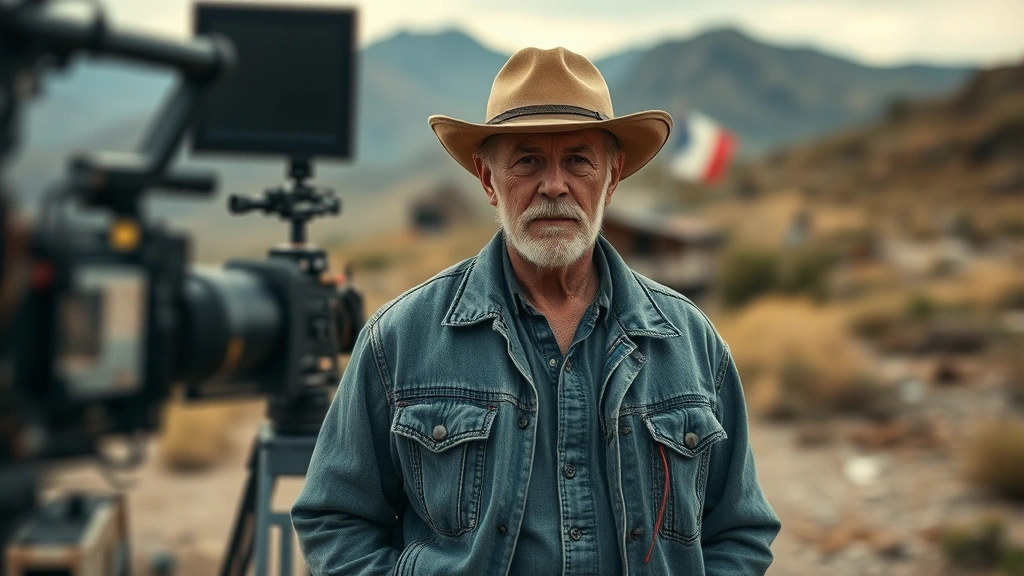
” alt=”Veteran actor in weathered denim jacket on film set, cinematic lighting highlighting facial features and character depth, outdoor location with natural landscape background” style=”max-width: 100%; height: auto;”>
Character Analysis: Recurring Themes and Thematic Patterns
Examining Sam Elliott’s body of work reveals consistent thematic preoccupations that transcend individual films and television programs. His characters frequently embody men confronting the erosion of traditional ways of life, the tension between personal integrity and institutional compromise, and the challenge of maintaining authenticity in a world that increasingly demands conformity.
Elliott’s protagonists and supporting characters often find themselves positioned as witnesses to cultural transformation. Whether in contemporary settings or historical narratives, his characters observe change with a mixture of resignation, wisdom, and occasional defiance. This positioning reflects Elliott’s own artistic philosophy—he documents and comments on American culture without pretending to control or reverse its trajectory. This thematic consistency across Sam Elliott’s movies and TV shows creates a coherent artistic vision despite the diversity of individual projects.
The relationship between masculinity and vulnerability represents another crucial theme in Elliott’s work. Unlike earlier traditions of masculine performance that emphasized stoicism and invulnerability, Elliott’s characters acknowledge emotional depth, loss, and the limitations of physical strength. His performances suggest that true strength emerges from accepting vulnerability and maintaining integrity despite inevitable disappointment.
Mentorship and intergenerational transmission of values recur throughout Elliott’s filmography. His characters frequently serve as guides or teachers for younger protagonists, offering wisdom earned through experience while recognizing that each generation must navigate their own challenges. This thematic pattern reflects Elliott’s own role within the film industry—he serves as a model of artistic integrity and commitment to craft for younger performers.
For those interested in analyzing how character actors construct meaning through repeated thematic exploration, consider reviewing our resource on famous movie quotes, which demonstrates how dialogue and performance choices create lasting cultural impact.
Cultural Impact: Influencing American Cinema and Popular Culture
Sam Elliott’s influence on American cinema extends beyond his individual performances to shape how filmmakers approach character development, regional narratives, and the representation of aging in contemporary media. His success has validated artistic choices that prioritize authenticity over commercial calculation, demonstrating that audiences respond to performers who commit fully to their material.
The “Sam Elliott effect” has influenced casting decisions across the industry. Filmmakers increasingly recognize that weathered authenticity and lived experience can anchor narratives more effectively than conventional attractiveness or star power. Elliott’s career demonstrates that distinctive physical presence, combined with rigorous acting technique, creates memorable performances that resonate across generations.
Elliott’s cultural impact also extends to how American identity itself is represented on screen. His characters embody a particular vision of American regionalism and working-class authenticity that contrasts sharply with coastal, urban-centric narratives that often dominate mainstream cinema. By consistently choosing roles that explore rural, agricultural, and frontier settings, Elliott has ensured that these perspectives remain visible in contemporary media.
The actor’s influence on dialogue and vocal performance deserves particular attention. Elliott’s distinctive gravelly voice and measured delivery have become instantly recognizable, spawning countless impressions and cultural references. His commitment to naturalistic speech patterns and regional dialects has influenced how contemporary filmmakers approach dialogue in character-driven narratives.
Research from Pew Research Center on media consumption patterns demonstrates that audiences increasingly value authenticity and character depth over conventional star power, validating the artistic choices Elliott made throughout his career. Similarly, studies on performance criticism and acting methodology have increasingly recognized Elliott’s work as exemplifying rigorous character development practices.

” alt=”Film production scene with multiple crew members operating camera equipment, professional lighting rigs overhead, outdoor Western setting with desert landscape, golden hour cinematography” style=”max-width: 100%; height: auto;”>
FAQ
What are Sam Elliott’s most iconic roles?
Sam Elliott’s most iconic roles include “The Stranger” in The Big Lebowski (1998), Rooster Cogburn’s associate in True Grit (2010), Bobby in A Star is Born (2018), and his extensive television work in series like Justified. Each role showcases different dimensions of his distinctive acting approach and thematic interests.
How did Sam Elliott get his start in acting?
Elliott began his acting career in regional theater before transitioning to television and film in the late 1960s. He appeared in bit parts and supporting roles throughout the 1970s and 1980s, gradually building his reputation through consistent, high-quality performances before achieving mainstream recognition later in his career.
Why did Sam Elliott receive an Oscar nomination for A Star is Born?
Elliott’s performance in A Star is Born (2018) earned an Academy Award nomination for Best Supporting Actor because it demonstrated his ability to convey complex emotional depth and thematic significance through economical, nuanced acting. The role validated decades of artistic work and brought mainstream critical attention to his distinctive talents.
What makes Sam Elliott’s approach to acting distinctive?
Elliott’s approach emphasizes authenticity, character integrity, and thematic consistency over commercial calculation. He prioritizes quality material, refuses vanity-driven choices, and commits fully to understanding his characters’ psychological and emotional complexity. This rigorous methodology has influenced how contemporary filmmakers approach character-driven narratives.
How has Sam Elliott influenced Western cinema?
Elliott has redefined how contemporary cinema approaches the western genre by embodying characters marked by moral complexity, psychological depth, and realistic consequences rather than archetypal heroes or villains. His performances have demonstrated that the western remains a vital genre for exploring American identity and regional narratives.
What television work has Sam Elliott done recently?
Recent television work includes roles in prestige streaming productions and continuing appearances in acclaimed series. Elliott’s television career has expanded significantly in the streaming era, allowing him to reach global audiences while maintaining his commitment to character-driven storytelling.
For additional insights into how character actors shape contemporary cinema, explore our comprehensive guide on best movie review sites where critics analyze performance traditions and acting methodologies across diverse platforms and publications.
Understanding Sam Elliott’s career also benefits from examining how adaptations and literary translations influence casting decisions. Our analysis of best movies based on books explores how source material shapes character interpretation and performance choices, providing context for how Elliott’s roles have evolved across different narrative traditions.
For those interested in pursuing careers analyzing and critiquing film performances, our guide on how to become a film critic offers comprehensive insights into developing critical frameworks for evaluating acting excellence and artistic contribution to cinema.