Sanford and Son: The Movie – Nostalgia or New Spin?
The cultural phenomenon of Sanford and Son transcends its original 1970s television run, continuing to resonate with audiences decades later. As conversations swirl around a potential film adaptation, the question becomes whether a big-screen venture would capitalize on nostalgic reverence or forge an entirely new creative direction. The sitcom’s legacy—rooted in authentic storytelling, comedic timing, and social commentary—sets a remarkably high bar for any cinematic interpretation.
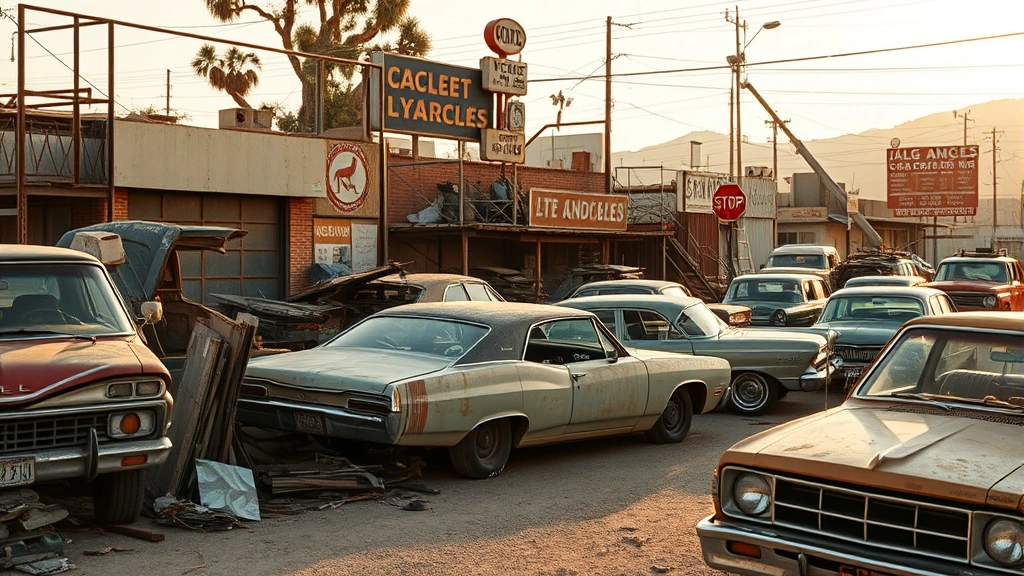
Fred Sanford’s junkyard has become iconic shorthand for a particular era of American television, one that broke racial and class-based barriers while delivering genuine laughs. The prospect of translating this beloved series into feature film format demands careful consideration of what made the original resonate, and whether modern audiences crave a faithful recreation or a contemporary reimagining that honors the source material while pushing boundaries.
The Legacy of the Original Series
Sanford and Son premiered in 1972 as a groundbreaking sitcom that centered African American characters and their lived experiences without reducing them to stereotypes or punchlines. The show’s foundation rested on the relationship between Fred Sanford, a widowed junk dealer played by Redd Foxx, and his son Lamont, portrayed by Demond Wilson. Their dynamic—rooted in genuine affection despite constant bickering—created comedy that felt earned rather than manufactured.
The series achieved remarkable cultural penetration, becoming one of the most-watched programs of its era. Its success proved that audiences would embrace narratives centered on Black protagonists when those narratives possessed authenticity and humor. Fred’s catchphrases, his elaborate schemes, and his relationship with his son created a template for sitcom excellence that influenced countless shows that followed. The show’s ability to balance comedy with moments of genuine warmth established it as more than mere entertainment—it became cultural documentation.
When considering contemporary television and film adaptations, the original Sanford and Son remains a benchmark for how to execute character-driven comedy. The show’s longevity—running for six seasons and spawning a spinoff—demonstrated sustained audience investment in these characters and their world. This foundation becomes crucial when evaluating any potential movie project.
Modern Adaptation Challenges and Opportunities
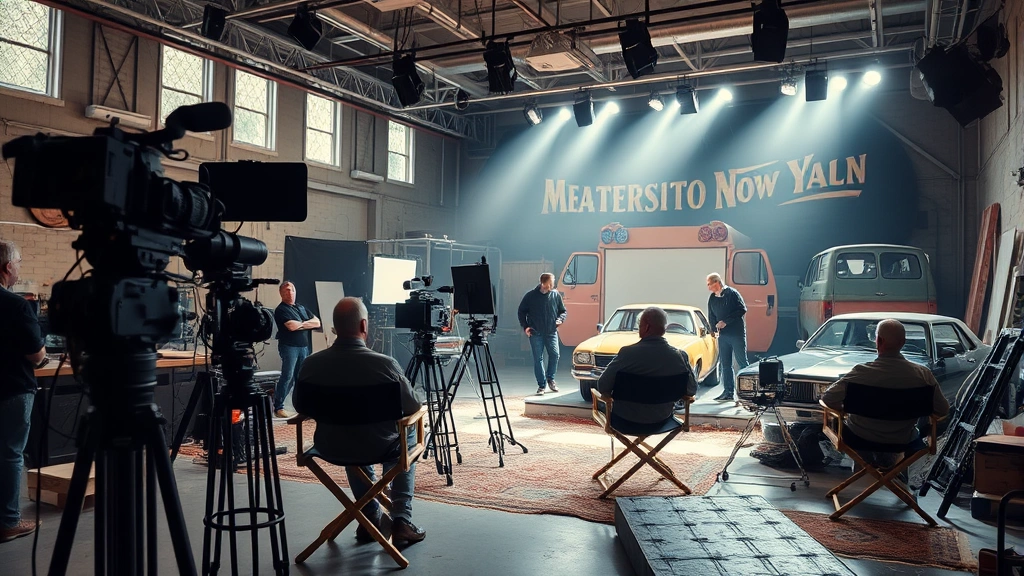
Translating a beloved television series into cinematic form presents distinct challenges that go beyond simply expanding runtime. Television allows for character development across multiple episodes, building relationships and inside jokes that accumulate over time. A film must compress this familiarity into roughly two hours while introducing the property to audiences who may have no connection to the original material.
The entertainment industry has demonstrated mixed results with nostalgia-driven adaptations. Research on media consumption patterns reveals that audiences increasingly seek either faithful recreations of beloved properties or bold reinventions—middle ground often underperforms. A Sanford and Son movie must make a decisive choice about its creative philosophy.
Contemporary production values present both opportunity and risk. Modern cinematography, sound design, and special effects can enhance the visual storytelling experience, yet excessive production gloss might contradict the show’s grounded aesthetic. The junkyard setting, Fred’s apartment, and the surrounding Los Angeles neighborhood functioned as characters themselves—authentic, lived-in spaces that grounded the comedy in reality. Overly polished production design could undermine this authenticity.
The opportunity lies in expanding the universe beyond what television budgets allowed. More elaborate visual gags, bigger set pieces, and cinematic scope could elevate the material without betraying its essence. A skilled filmmaker could use the film format to deepen character exploration, perhaps delving into Fred’s past or exploring Lamont’s future aspirations with more nuance than episodic television permitted.
Nostalgia’s Role in Contemporary Entertainment
Nostalgia has become a dominant force in contemporary entertainment economics. Studios recognize that established properties with existing fan bases reduce financial risk, making nostalgia-driven projects increasingly prevalent. However, nostalgia operates as a double-edged sword—it can draw audiences seeking to reconnect with beloved memories, yet it can also alienate viewers who feel the property has been exploited or diminished.
The 1970s represent a particularly potent nostalgia trigger in contemporary culture. That decade symbolizes authenticity, cultural rebellion, and genuine artistic expression to many audiences. Sanford and Son occupied a unique position within that era—it was mainstream entertainment that also served as cultural commentary, accessible while meaningful. This combination makes the property simultaneously valuable and fragile.
Understanding how media narratives shape cultural memory becomes essential when approaching a Sanford and Son adaptation. The original series exists in the cultural consciousness as a specific artifact of a specific moment. Any modern interpretation must acknowledge this temporal specificity while finding ways to make the material resonate with contemporary audiences who may view the 1970s through an entirely different lens.
Successful nostalgia-driven projects typically succeed by understanding what made the original resonate beyond surface-level aesthetics. They extract core emotional truths and themes, then express those themes through contemporary storytelling approaches. A Sanford and Son movie that merely recreates 1970s aesthetics without capturing the show’s essential humanity would miss the mark entirely.
Creative Direction and Storytelling Approaches
Several narrative pathways could guide a Sanford and Son film. One approach would position the story as a continuation, set in the present day with older versions of Fred and Lamont navigating contemporary life. This allows exploration of how their relationship has evolved, what dreams they’ve achieved or abandoned, and how they’ve adapted to a dramatically changed world. This approach honors the characters while pushing them forward.
An alternative approach involves a period piece set during the original series’ timeline, perhaps exploring a particular story arc or challenge that the show only touched upon. This could satisfy fans seeking deeper dives into beloved characters while introducing the property to younger audiences discovering it for the first time. The best film adaptations often find new dimensions in familiar material, revealing depths that the original format didn’t fully explore.
A third possibility involves a more radical reimagining—maintaining the core relationship and basic premise while transplanting the characters into contemporary Los Angeles. This approach acknowledges that the show’s essential appeal transcends its specific historical moment. Fred and Lamont’s dynamic, their humor, and their love for each other could absolutely function in a modern setting, perhaps with updated professions and challenges reflecting current social realities.
The narrative structure itself demands consideration. Should the film follow a single story arc, or would an ensemble approach better serve the material? The original series often featured rotating guest characters who intersected with Fred and Lamont’s lives. A film could build an ensemble cast around these central characters, expanding the scope while maintaining focus on the relationship that makes the property work.
Audience Expectations and Market Viability
The market for a Sanford and Son film comprises multiple overlapping audiences with distinct expectations. Original viewers who watched the series during its initial run bring memories of specific episodes, performances, and cultural moments. They seek recognition of what they loved while remaining open to creative evolution. This demographic represents significant cultural capital and word-of-mouth influence.
Younger audiences discovering the property through streaming platforms, social media references, or cultural discourse bring different expectations. They may appreciate the show’s groundbreaking nature without the personal nostalgia that older viewers possess. They’re more likely to embrace a reimagined version if it feels authentic to contemporary sensibilities while respecting the source material.
The broader film market increasingly demonstrates appetite for Black-centered narratives and comedies, particularly when those narratives avoid tired tropes and clichés. Critical and commercial success of recent films with predominantly Black casts suggests substantial audience demand for quality storytelling centered on Black characters and communities.
Financial viability depends on production budget calibration and distribution strategy. A mid-budget comedy could succeed with strong critical reception and organic audience enthusiasm, particularly if released through platforms with substantial reach. The property’s cultural significance and built-in recognition provide marketing advantages that many original properties lack.
Casting and Character Authenticity
Casting represents perhaps the most sensitive aspect of a Sanford and Son adaptation. Redd Foxx’s performance as Fred Sanford became inseparable from the character—his timing, his physicality, his voice, and his presence defined the role. Any actor stepping into this part must bring their own authentic interpretation while honoring what Foxx established without attempting direct imitation.
The search for actors would benefit from prioritizing performance authenticity over name recognition. The role requires someone with strong comedic instincts, genuine warmth, and the ability to deliver rapid-fire dialogue with precision. Character actors with theater backgrounds might prove more suitable than mainstream celebrities unfamiliar with ensemble comedy dynamics.
Similarly, casting Lamont demands careful consideration. Demond Wilson brought a specific energy to the role—patient yet exasperated, loving yet frustrated by his father’s schemes. The character requires an actor capable of playing the straight man while maintaining his own comedic presence, someone who can hold scenes against a more flamboyant comic partner.
Guest casting also matters significantly. The original series featured memorable supporting characters and recurring guests who became part of the show’s ecosystem. A film could honor this tradition by featuring contemporary actors in similar roles, creating new memorable characters while maintaining the show’s tradition of strong ensemble work. Understanding how character-driven narratives succeed across different formats informs casting decisions that prioritize ensemble chemistry.
The Cultural Significance Factor
Any discussion of a Sanford and Son film must acknowledge the property’s cultural significance beyond entertainment metrics. The original series represented a watershed moment in television history—the first time a network sitcom centered on Black characters and their community without apology or condescension. This achievement carries weight that transcends ratings and syndication revenue.
The show documented a particular moment in African American urban life, capturing authentic details of community, family, commerce, and humor. Fred’s junkyard wasn’t presented as exotic or pathological—it was simply his world, portrayed with dignity and specificity. This approach to representation was revolutionary for mainstream television, influencing how Black characters and communities would be depicted subsequently.
A modern adaptation carries responsibility to honor this legacy. The film must recognize that it’s not merely adapting a television show—it’s engaging with a culturally significant work that broke barriers and established possibilities for future creators. This demands thoughtful approach to how the material is updated, interpreted, and presented to contemporary audiences.
The property also offers opportunity to explore how entertainment and representation have evolved since the 1970s. A film could examine this evolution implicitly through its storytelling choices, perhaps showing how Fred and Lamont’s descendants navigate a world where representation has expanded beyond what their generation experienced, while maintaining the core values that made the original series resonate.
Questions of creative control become paramount. Should the filmmaking team include people with deep knowledge of and connection to the original property? Should the project involve surviving cast members or their families in advisory capacities? These considerations reflect respect for the cultural artifact being adapted and recognition that certain communities have legitimate stakes in how their stories are told.
Balancing Fidelity and Innovation
The fundamental creative challenge for a Sanford and Son film lies in balancing fidelity to the source material with innovative storytelling. This balance determines whether the project succeeds as both entertainment and cultural artifact. Too much reverence creates a museum piece—technically accurate but lifeless. Too much innovation risks alienating the very audiences whose affection makes the project viable.
Successful adaptations typically identify core thematic and emotional elements, then find fresh ways to express those elements. For Sanford and Son, the core involves the complicated love between father and son, the humor that emerges from their daily lives, and the dignity with which their community is portrayed. These elements could translate across time periods, settings, and narrative structures while remaining essentially true to what made the original work.
The visual language of the film matters considerably. The original series’ aesthetic—slightly worn, authentically detailed, focused on faces and performances rather than elaborate set pieces—served the material well. A film could expand this visual language cinematically while maintaining the intimate, character-focused approach that made the television show compelling. Industry analysis of adaptation strategies reveals that successful projects maintain stylistic consistency with source material while utilizing medium-specific opportunities.
Humor represents another crucial balance point. The original series employed multiple comedic approaches—physical comedy, verbal wit, situational humor, and character-based comedy. A film should similarly employ varied comedic techniques, avoiding over-reliance on any single approach. Contemporary audiences appreciate complexity in comedy, appreciation for timing, and respect for intelligence—qualities the original series possessed in abundance.
FAQ
Is there an official Sanford and Son movie in development?
While various projects have been discussed over the years, there hasn’t been an officially greenlit film as of recent reporting. However, continued cultural interest in the property and the success of other television-to-film adaptations make such a project increasingly plausible. The property’s enduring popularity keeps it in consideration for major studios and streamers.
Would the movie be set in the 1970s or contemporary times?
This remains an open creative question. Different approaches offer distinct advantages—a period piece honors the original’s historical specificity, while a contemporary setting could demonstrate the characters’ continued relevance. The creative team’s vision would ultimately determine this foundational choice.
What happened to the original cast members?
Redd Foxx passed away in 1991, and Demond Wilson has largely retired from entertainment. This reality necessitates casting new actors to portray these beloved characters, representing one of the adaptation’s central challenges. Surviving cast members could potentially contribute to the project in advisory or guest capacities.
How would a movie handle the show’s comedic style?
The original series’ comedy derived from character authenticity, timing, and situational humor rather than broad jokes or contemporary references. A successful film would maintain this approach, trusting that audiences appreciate intelligent comedy rooted in character relationships rather than dated pop culture references.
Would the film need to update social commentary for modern audiences?
The original series addressed social issues implicitly through character and situation rather than explicit preaching. A modern adaptation could similarly allow contemporary social realities to inform the narrative naturally, avoiding heavy-handed messaging while remaining relevant to current audiences.
How important is location authenticity to the story?
The original series was set in Los Angeles and filmed primarily on soundstages with authentic location work. The junkyard and surrounding neighborhood functioned as essential setting elements. A film should prioritize capturing the authentic feel of community and place, whether through actual location work or detailed production design that honors the original’s specificity.


