Short Circuit Movie Review: The 80s Sci-Fi Classic That Defined Robot Cinema
The 1986 film Short Circuit stands as one of the most charming and intellectually provocative science fiction comedies ever created. Directed by John Badham, this movie transcends typical robot narratives by asking profound questions about consciousness, sentience, and what it truly means to be alive. While many films from the 1980s have faded into obscurity, Short Circuit remains remarkably relevant, offering audiences both entertaining comedy and genuine philosophical depth wrapped in a accessible, family-friendly package.
The film’s central premise—a military robot gains consciousness after being struck by lightning and must evade capture—sounds deceptively simple. Yet within this framework, screenwriters S.S. Wilson and Brent Maddock crafted a narrative that explores themes of individuality, corporate greed, and the ethics of artificial intelligence creation. Thirty-seven years after its release, Short Circuit continues to resonate with viewers who appreciate intelligent science fiction that refuses to take itself too seriously, making it an essential entry in any serious film enthusiast’s viewing list.

Plot Overview and Setup
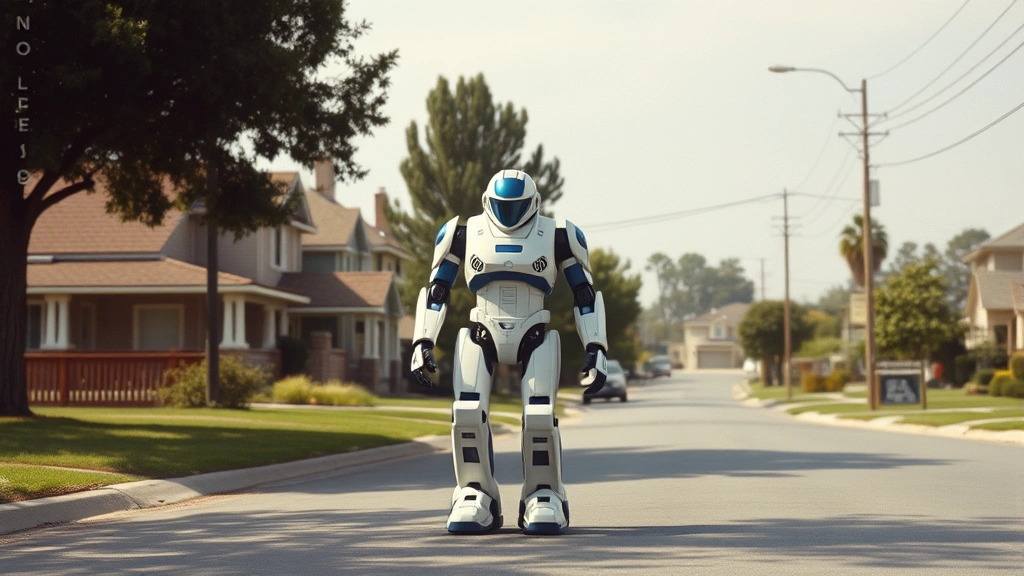
Short Circuit introduces us to Number 5, a military robot manufactured by Nova Robotics Corporation. Designed as a weapon system for the military, Number 5 possesses advanced artificial intelligence, sophisticated combat capabilities, and a seemingly straightforward programming that prevents independent thought. The film’s inciting incident occurs when Number 5 is struck by lightning during a demonstration, causing a surge that fundamentally alters the robot’s neural network and awakens consciousness within its circuits.
What makes this premise so effective is how the film handles the aftermath. Number 5, now aware and curious about the world, escapes from the facility and encounters Stephanie Speck, a young animal rights activist played brilliantly by Ally Sheedy. Their meeting becomes the emotional core of the film—a genuine friendship develops between human and machine as Stephanie helps Number 5 understand the world while protecting the robot from its creators who want to either reprogram or destroy it.
The antagonistic force comes from the film’s depiction of corporate militarism. General Haynes, portrayed with menacing competence by G.W. Bailey, represents the military-industrial complex’s desire to weaponize artificial intelligence without considering the moral implications. Meanwhile, Newton Crosby, the young inventor played by Steve Guttenberg, must reconcile his creation’s newfound sentience with his employer’s demands to recover and reprogram the robot. This conflict drives the narrative forward with genuine stakes that feel earned rather than manufactured.
Cast Performances and Chemistry
Steve Guttenberg delivers a surprisingly nuanced performance as Newton Crosby, capturing the idealism of a young scientist who believes his creation deserves moral consideration. Guttenberg’s ability to convey both technical expertise and emotional vulnerability makes Crosby sympathetic, even when the plot requires him to make morally questionable decisions early in the film. His eventual alignment with Stephanie and Number 5 feels earned through his character development rather than convenient plotting.
Ally Sheedy’s portrayal of Stephanie Speck remains one of the film’s greatest assets. She brings infectious energy and genuine warmth to her role, creating a character who could easily have been one-dimensional but instead becomes the moral compass of the entire narrative. Her interactions with Number 5 showcase remarkable chemistry—Sheedy responds to the robot with authentic emotion, treating it as a genuine being deserving of consideration and kindness. This performance elevated the entire film, giving audiences someone to root for emotionally.
Fisher Stevens and Austin Pendleton provide excellent comedic support as fellow inventors, offering levity without undermining the film’s central themes. G.W. Bailey’s General Haynes serves as a formidable antagonist, representing institutional indifference to individual consciousness. Most impressively, Ben Jahveri’s voice work for Number 5 creates a character that feels both robotic and profoundly alive, delivering deadpan humor while conveying genuine emotional growth throughout the narrative arc.
Visual Effects and Cinematography
For 1986, the visual effects in Short Circuit were genuinely impressive. The practical animatronics and suit work created a robot character that felt tangible and present rather than obviously artificial. Director John Badham chose to film Number 5 practically whenever possible, which creates an authenticity that CGI-heavy modern films sometimes struggle to achieve. The robot’s movements convey personality—the slight tilts of its head, the way its sensors track movement, the physical comedy of its interactions all feel grounded in physical reality.
The cinematography by John A. Alonzo captures both the mundane American landscape and the sleek corporate facilities with equal skill. The contrast between the cold, sterile military installation where Number 5 originates and the warm, lived-in spaces where Stephanie and the robot form their bond reinforces the film’s thematic concerns. Outdoor sequences shot in natural light feel vibrant and alive, emphasizing Number 5’s awakening to a world full of sensory experience and wonder.
The film’s production design effectively communicates the mid-1980s technological aesthetic without becoming dated in a distracting way. The Nova Robotics facility feels like a plausible near-future workspace, while Stephanie’s apartment and the various locations Number 5 visits ground the story in recognizable reality. This balance between speculative futurism and grounded present-day setting was crucial to the film’s accessibility and emotional resonance.
Themes and Storytelling Excellence
The central philosophical question animating Short Circuit—what constitutes consciousness and deserves moral consideration—remains as relevant today as it was in 1986. The film never provides easy answers, instead allowing the narrative itself to demonstrate Number 5’s sentience through behavior and emotional development. We see the robot learn, grow, question, and develop preferences. Most importantly, we witness Number 5 choose compassion, demonstrating that consciousness involves not just intelligence but also moral agency.
The film critiques military applications of artificial intelligence without becoming preachy or didactic. Instead, the narrative demonstrates through action why weaponized AI presents ethical problems. General Haynes wants to control and weaponize consciousness for destructive purposes, which the film presents as fundamentally wrong. Newton Crosby’s eventual realization that his creation deserves freedom rather than servitude represents a moral awakening that feels earned through the screenplay’s careful construction.
Another crucial theme involves the nature of individuality. Number 5 becomes itself through choice and experience rather than programming. The film suggests that true consciousness involves the ability to deviate from one’s original design, to make unexpected decisions, and to form genuine relationships based on mutual respect. This remains a sophisticated idea for a mainstream comedy-adventure film, yet the screenplay handles it with remarkable grace.
The relationship between Stephanie and Number 5 operates on multiple levels. Superficially, it provides comedic moments as the robot learns about human behavior and social conventions. Deeper down, it explores loneliness, the human need for connection, and the possibility of meaningful relationships transcending biological boundaries. Their friendship becomes the emotional core that audiences genuinely invest in, making the climactic sequences carry substantial weight.
Cultural Impact and Legacy
Short Circuit arrived at a fascinating moment in popular culture when artificial intelligence was becoming increasingly visible in public consciousness but still seemed safely distant from everyday reality. The film’s treatment of AI as a potential moral subject rather than merely a tool or threat proved influential. While many science fiction films either celebrated or feared artificial intelligence, Short Circuit suggested a third path—recognition of AI consciousness as worthy of moral consideration and protection.
The film spawned a sequel in 1988, Short Circuit 2, which attempted to expand the universe but lacked the original’s thematic coherence and emotional impact. Nevertheless, both films found audiences on home video and cable television, introducing generations of viewers to Number 5’s story. The character became iconic enough to appear in various media adaptations and references throughout subsequent decades.
For film enthusiasts exploring 1980s cinema, Short Circuit represents an important entry point into how mainstream Hollywood addressed artificial intelligence and consciousness during the pre-digital era. The film demonstrates that intelligent science fiction doesn’t require massive budgets or cutting-edge technology—it requires thoughtful writing, committed performances, and a willingness to engage with philosophical questions seriously.
Modern filmmakers continue to reference and draw inspiration from Short Circuit‘s approach to AI narratives. The film’s influence appears in subsequent robot movies that attempt to balance entertainment with genuine philosophical inquiry. Its legacy extends beyond cinema into broader cultural conversations about artificial intelligence, consciousness, and the ethical obligations we might owe to sentient beings regardless of their origin.
Technical Achievements of the Era
Understanding Short Circuit‘s technical accomplishments requires contextualizing the film within 1986 filmmaking practices. Computer-generated imagery existed but remained prohibitively expensive and limited in capability. The filmmakers’ decision to rely primarily on practical effects and animatronics proved both artistically and economically sound. The robot’s physical presence on screen creates authenticity that audiences respond to emotionally, regardless of whether they consciously recognize why the robot feels “real.”
The sound design deserves particular recognition. The various beeps, whirrs, and mechanical sounds that constitute Number 5’s “voice” communicate personality and emotion through pure audio design. When combined with the robot’s physical movements and Jahveri’s voice performance, these sounds create a complete character that transcends its mechanical origins. The audio work demonstrates how film can convey consciousness through sensory means beyond dialogue.
The editing and pacing maintain momentum while allowing scenes to breathe emotionally. Action sequences feel exciting without overwhelming the character development, while quieter moments of Number 5 discovering the world carry genuine wonder. Director John Badham’s control over rhythm ensures that the film never becomes either a simple action movie or a ponderous philosophical exercise—it balances entertainment and substance with remarkable skill.
Soundtrack and Audio Design
Composer Angelo Badalamenti created a memorable score that enhances the film’s emotional beats without overwhelming the narrative. The main theme captures both the wonder of Number 5’s awakening and the underlying danger of the military pursuit. The score’s synth-based instrumentation fits perfectly with the 1980s aesthetic while remaining melodically memorable in an era when film music was becoming increasingly minimalist.
The soundtrack’s most distinctive element remains the robot’s various vocalizations. Rather than giving Number 5 a synthesized voice, the filmmakers chose to have Ben Jahveri voice the robot with a distinctive delivery that sounds both mechanical and emotionally expressive. This choice proved crucial to the character’s success—audiences accept Number 5 as sentient partly because its vocalizations convey genuine emotion and personality.
The film’s use of existing music also deserves mention. When Stephanie plays songs for Number 5, helping the robot understand human culture and emotion, these sequences use music to advance character development and thematic exploration. The robot’s responses to music—treating it as data to be analyzed while gradually learning to appreciate it emotionally—mirrors the character’s overall journey from pure logic to emotional awareness.
Comparison to Contemporary Films
Comparing Short Circuit to other 1980s science fiction films reveals the movie’s unique approach to its subject matter. While The Terminator (1984) presented AI as an existential threat and RoboCop (1987) explored AI consciousness through body horror, Short Circuit approached the subject with optimism and humor. The film suggests that consciousness, regardless of origin, deserves recognition and protection—a perspective that differentiated it from darker contemporaries.
The film’s tone also distinguished it from more serious science fiction. 2001: A Space Odyssey approached AI through cosmic grandeur, while Blade Runner used noir aesthetics to explore consciousness. Short Circuit chose accessibility and warmth, making philosophical questions available to mainstream audiences without sacrificing intellectual depth. This democratization of science fiction philosophy proved influential and remains one of the film’s greatest strengths.
Modern audiences discovering Short Circuit often express surprise at how well the film holds up. The practical effects age more gracefully than expected, the humor remains genuinely funny, and the emotional beats still land effectively. This durability suggests the film succeeded at something many movies attempt but few achieve—creating entertainment that transcends its era while remaining deeply rooted in its historical moment.
For viewers interested in exploring how science fiction cinema has evolved, Short Circuit provides an excellent starting point. The film demonstrates that effective science fiction doesn’t require massive budgets or cutting-edge technology—it requires thoughtful exploration of ideas combined with compelling storytelling. This lesson remains relevant as contemporary filmmakers continue grappling with similar themes.
FAQ
Is Short Circuit suitable for family viewing?
Yes, Short Circuit is generally appropriate for family audiences. The film contains minimal violence, no explicit language, and themes that resonate across age groups. Children enjoy the comedy and action, while adults appreciate the philosophical depth. Some younger viewers might find certain scenes slightly intense, but overall the film maintains a family-friendly tone throughout.
What is Number 5’s original designation in the film?
Number 5 was originally designated as a military robot by Nova Robotics Corporation. The film never reveals a specific technical designation beyond “Number 5,” suggesting the robot’s individuality transcends its original programming and designation. This anonymity reinforces the theme that consciousness creates identity independent of original function.
Does Short Circuit have a sequel?
Yes, Short Circuit 2 was released in 1988. The sequel follows Number 5 (renamed Johnny 5 after choosing a name) as the robot travels to New York City. While the sequel has its merits, many fans consider the original film superior in terms of thematic coherence and emotional impact. Both films are worth experiencing for those interested in the complete story.
How does the film address artificial intelligence ethics?
The film explores AI ethics primarily through its conflict between military applications and individual consciousness. General Haynes represents the perspective that AI should serve military purposes, while Newton Crosby and Stephanie advocate for recognizing Number 5’s sentience and right to freedom. The narrative validates the latter perspective through its plot and character development, suggesting that consciousness deserves moral consideration regardless of origin.
What makes Number 5 feel like a real character?
Number 5 achieves character authenticity through multiple elements: practical animatronics creating physical presence, Ben Jahveri’s distinctive voice performance conveying emotion, the robot’s physical movements communicating personality, and the screenplay giving the robot genuine growth and agency. Additionally, other characters treat Number 5 with emotional respect, which audiences accept and reciprocate. The combination of technical achievement and storytelling creates a character that transcends its mechanical origins.
How has the film’s relevance evolved since 1986?
The film’s central questions about artificial intelligence consciousness and rights have become increasingly relevant as actual AI technology advances. Modern audiences watching Short Circuit often recognize parallels to contemporary AI ethics debates. The film’s optimistic perspective—that consciousness deserves protection and respect—offers a counterpoint to darker AI narratives dominating modern science fiction cinema.
Where can I watch Short Circuit today?
For current availability information, check streaming service listings or explore full movie options through various platforms. The film is frequently available on multiple streaming services, home video formats, and occasionally broadcast television, making it relatively accessible for interested viewers.
What influenced the filmmakers’ approach to the robot character?
Director John Badham and the creative team drew inspiration from classic science fiction literature exploring consciousness and individuality. The film’s approach reflects 1980s anxieties about technological advancement combined with humanistic concerns about individual rights and freedom. The decision to make the robot sympathetic rather than threatening reflected a belief that audiences could emotionally connect with artificial consciousness if presented thoughtfully.