Table of Contents
Introduction
Picture this: you’ve got a story burning inside you, and you know it would make an incredible film. But where do you even begin? Making a short film might seem overwhelming at first, but here’s the truth—it’s one of the most rewarding creative adventures you can embark on. Whether you’re completely new to filmmaking or you’ve dabbled before, learning how to produce a short film properly can transform your wild ideas into something that actually moves people.
Here’s what most people don’t realize: producing a short film isn’t just about pointing a camera and hitting record. (Though that would make life easier, wouldn’t it?) It’s really about wearing multiple hats—you’re part storyteller, part project manager, part diplomat, and part magician. You’ll craft compelling stories, wrangle budgets that seem to have a mind of their own, scout locations that don’t exist until you find them, cast actors who bring your characters to life, and then piece it all together in post-production. Speaking of the filmmaking process, if you want to dive deeper into the creative side, check out how to make a short film for detailed insights. And if your film needs voice talent? The guide on how to become a voice actor has you covered.
Let’s talk money for a second—because someone has to. Budgeting might not be the sexiest part of filmmaking, but it’s absolutely critical. You need to account for cast, crew, equipment, locations, food (never underestimate the power of good craft services), and about a dozen other things you haven’t thought of yet. The good news? Many creative skills translate across disciplines. Take the collaborative spirit you’d find in starting a music band—that same energy and coordination applies to your film crew. Plus, understanding marketing principles from other industries can give your film the promotional edge it deserves.
Now, here’s where things get exciting. We live in an amazing time for independent filmmakers. Platforms like YouTube and Vimeo mean you don’t need a studio executive’s blessing to get your work seen by thousands (or millions) of people. Film festivals are more accessible than ever, and online distribution has leveled the playing field. Want to maximize your film’s reach? Learning marketing strategies can seriously boost your visibility. You can even draw inspiration from unexpected places—like understanding what makes great karaoke songs work with audiences. (Trust me, audience engagement principles apply everywhere.)
What You’ll Learn in This Guide
We’re going to break this whole process down into bite-sized pieces that won’t make your head spin. Think of this as your filmmaking roadmap—practical, actionable, and designed to get you from “I have an idea” to “I made a film” without losing your sanity.
- Concept and Development: Understand how to brainstorm ideas, write compelling scripts, and structure your short film to captivate your audience effectively.
- Pre-production Planning: Learn about budgeting, scheduling, casting, location scouting, and assembling your production team to set a strong project foundation.
- Production Execution: Discover directing tips, managing a set, and capturing high-quality footage while maintaining creativity and collaboration.
- Post-production and Distribution: Explore editing techniques, sound design, marketing strategies, and distribution channels to ensure your film reaches the right viewers.
Ready to dive in? We’ll walk through every stage together, from that initial spark of inspiration to the moment you hit “publish” on your finished film. You’ll discover how to set realistic goals (emphasis on realistic—no one needs that kind of stress), create budgets that actually work, craft scripts that people want to watch, and coordinate all the moving pieces during production. And yes, we’ll tackle the final hurdle: getting your film in front of the right eyeballs. Whether you’re aiming for Sundance or just want to make something your friends will actually sit through, the strategies we’ll cover will give you the tools to succeed. Curious about other creative paths? Exploring related entertainment industry resources will only broaden your perspective and open new doors.
Here’s the bottom line: making a short film isn’t just a pipe dream. With the right approach and a healthy dose of determination, it’s completely doable. Whether you’re gunning for film festival glory, building an online following, or simply proving to yourself that you can do it, everything you need to know is right here.
So grab your camera (or your phone—we’re not judging), and let’s turn that story in your head into something real. Your audience is waiting.

Making a short film? You’re in for quite the adventure. It’s one of those projects where creativity meets reality in the most interesting ways—and honestly, that’s where the magic happens. But here’s what I’ve learned after years of making films: the difference between a good short film and a great one isn’t just talent or luck. It comes down to two things that might surprise you: rock-solid planning and a screenplay that knows exactly what it’s trying to say. Let’s talk about why these two elements can make or break your project, and how to get them right from the start.
Planning Your Short Film: Setting Goals, Budgeting, and Scheduling
Think of planning as your film’s foundation—skip it, and everything else gets shaky fast. The first question you need to answer isn’t “What camera should I use?” or “Who’s going to star in this?” It’s much simpler: What are you trying to say, and who needs to hear it? I know that sounds basic, but you’d be amazed how many filmmakers jump straight into production without nailing down their message or target audience. Whether you want to make people laugh, cry, or think differently about something, get crystal clear on your purpose. It’ll guide every decision you make from here on out. This kind of foundational thinking aligns perfectly with the approach covered in how to make a short film, which walks you through the entire journey from that first spark of an idea to getting your film out into the world.
Now, let’s talk money—because yes, even short films cost something. Budgeting doesn’t have to be scary, but it does need to be realistic. You’ll need to account for your cast and crew (even if you’re paying them in pizza and credit), equipment rentals, location fees, and don’t forget post-production. Here’s a tip: always add a 20% buffer for the unexpected stuff that will definitely happen. As for funding, you’ve got options—crowdfunding, grants, or just investing your own money. The key is knowing your numbers before you start asking for support. This financial planning mindset actually connects well with strategies from marketing for freelancers, which offers smart insights on managing tight budgets while still promoting your work effectively. And scheduling? That’s your sanity saver. Build a timeline that includes realistic deadlines for writing, shooting, and editing—then add extra time because things always take longer than you think they will.
Key Aspects of Planning Your Short Film
Here’s what successful planning really looks like in practice:
- Defining Clear Objectives: Know exactly what story you’re telling and why it matters—this becomes your north star when tough decisions come up during production.
- Resource Allocation and Budget Control: Map out every expense you can think of, then prioritize ruthlessly and always have a backup plan for when costs creep up.
- Realistic Scheduling and Time Management: Create a production calendar with built-in breathing room—trust me, you’ll need those buffer days when equipment breaks or weather doesn’t cooperate.
- Strategic Marketing Integration: Start thinking about your audience early, not after you’ve finished editing—your future self will thank you when it’s time to share your film.
Once you’ve got your planning locked down, you’re ready for the fun part: bringing your vision to life through words. That’s where screenplay writing comes in, and it’s an art form all its own.
Writing the Screenplay: Crafting a Compelling Story
Writing a short film screenplay is like composing a song—every word has to earn its place. You don’t have the luxury of a two-hour runtime to develop characters or build suspense slowly. Instead, you need to grab your audience immediately and take them on a complete emotional journey in just a few minutes. Sounds impossible? It’s not, but it does require a different approach than feature filmmaking. The insights from the guide on how to make a short film really shine here, showing how screenplay development is where your creative vision meets the practical realities of what you can actually produce.
Your story structure still needs a beginning, middle, and end—but think of them as moments rather than acts. You might have just one scene to establish your character, create conflict, and resolve it in a way that sticks with viewers. That’s why formatting matters more than you might think. Clean, professional screenplay format isn’t just about looking legit (though it helps)—it’s about clear communication with everyone on your team. When your script is easy to read, your actors can focus on their performances instead of deciphering what you meant. And here’s something that’ll save you headaches later: get feedback early and often. Share drafts with people you trust, listen to their notes, and don’t be precious about making changes. Better to revise now than reshoot later.
Key Aspects of Writing Your Screenplay
Great short film screenplays share these essential qualities:
- Structured Story Elements: Build a complete narrative arc that feels satisfying even in a condensed format—every scene should move the story forward or reveal character.
- Professional Script Formatting: Use standard industry formatting so your script is easy to read and professional crews can work with it seamlessly.
- Iterative Revisions and Peer Feedback: Polish your dialogue and pacing through multiple drafts—great scripts are rewritten, not just written.
- Resource-Aware Writing: Write for what you have access to—if you can’t afford a helicopter chase, make sure your story doesn’t need one to work.

Making a short film? You’re in for quite the ride. It’s this amazing blend of pure creativity and hardcore logistics that’ll challenge you in ways you never expected. From that first spark of an idea to getting your film in front of actual audiences, every single step matters. Planning isn’t just helpful—it’s your lifeline. It keeps you focused, helps you budget without going broke, and prevents those “oh no” moments that can derail everything. When you’re writing your screenplay, you’re basically distilling your entire story into something short but powerful. That’s harder than it sounds, but when you nail it? Magic happens.
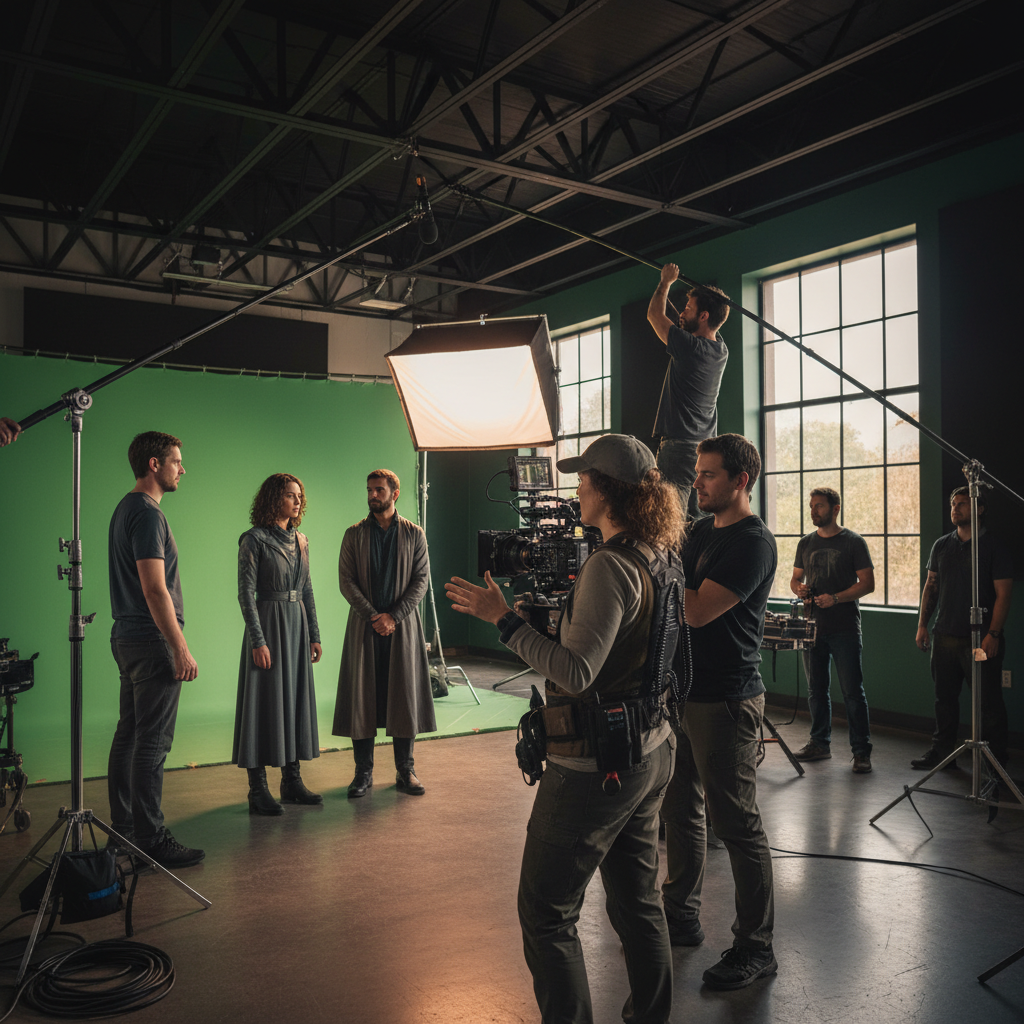
Pre-production is where things get real. You’re casting people who’ll bring your characters to life, hunting down locations that match what’s in your head, and gathering all the gear you need to capture something beautiful. Then comes shooting day—the moment when months of planning either pay off or fall apart. Good directing and solid set management can make the difference between chaos and creativity flowing freely.
Here’s where the real transformation happens: post-production. Your raw footage starts looking like an actual film. Every cut you make, every sound you layer in, every color correction—it all adds up to something that hits differently than what you shot. And once you’re done? Distribution is your chance to get your work seen. Film festivals, online platforms, smart marketing—there are more ways than ever to find your audience.
Ready to dive deeper? Start with our detailed guide on how to make a short film—it walks you through everything from story development to final export. If you’re thinking about voice work or casting, check out how to become a voice actor for some solid insights. And since filmmaking is all about collaboration, you might find some useful team-building strategies in our guide on how to start a music band—seriously, the group dynamics are surprisingly similar.
Let’s talk money for a second. (Because someone has to.) Independent filmmaking means watching every dollar, so having a financial cushion can save your project when unexpected costs hit. Our guide on how to build an emergency fund isn’t just about personal finance—it’s about keeping your creative dreams funded. Once your film is finished, getting people to actually watch it is its own challenge. That’s where our marketing for freelancers guide comes in handy—because promoting your film is basically freelance marketing in action.
Look, there’s definitely a learning curve here. But that’s part of what makes it exciting. Every mistake teaches you something, every success builds your confidence, and every film you make gets you closer to the storyteller you want to become. With the right resources and a willingness to keep learning, you’ve got everything you need to create films that actually matter to people.
Frequently Asked Questions
-
How long should a short film be?
- Short films typically run between 1 to 40 minutes, with most festival entries ranging from 5 to 20 minutes.
-
What essential equipment do I need to produce a short film?
- A good camera, microphone, and basic lighting gear form the core essentials to capture quality visuals and sound.
-
Can I produce a short film on a low budget?
- Yes, with careful planning, a minimal crew, and digital tools, you can create impactful films without excessive costs.
-
How do I find actors for my short film?
- Use local casting calls, community acting groups, or online platforms to find suitable talent for your project.
-
What software is recommended for editing short films?
- Popular editing software includes Adobe Premiere Pro, Final Cut Pro, and DaVinci Resolve, offering powerful features for professional results.