Ricki Lake’s Impact: A Media Retrospective
Ricki Lake emerged as one of the most influential television personalities of the 1990s, transforming daytime television with her groundbreaking talk show that prioritized youth culture, authenticity, and social issues. Her career trajectory from child actress to talk show icon to documentary filmmaker represents a unique evolution in entertainment media, demonstrating how individual personalities can reshape entire genres and influence cultural conversations across decades. This retrospective examines her multifaceted career, exploring how her work in television and film continues to resonate with audiences and media scholars alike.
Beyond her famous daytime television presence, Ricki Lake’s filmography and television roles reveal an artist committed to challenging conventions and exploring meaningful narratives. From her early film appearances to her provocative documentary work, Lake has consistently demonstrated an ability to connect with audiences on both entertainment and substantive levels. Her influence extends beyond ratings and viewership—she fundamentally altered expectations about who could host a major television program and what conversations could happen in the daytime television space.
Early Acting Career and Film Roles
Ricki Lake’s entertainment journey began as a child actress in Baltimore, where she developed her performance skills before transitioning to film and television. Her breakthrough film role came in John Waters’ cult classic Hairspray (1988), where she played Tracy Turnblad, the spirited teenage protagonist challenging racial segregation through dance. This performance established her as a talented actress capable of carrying major film productions while demonstrating her natural charisma and ability to embody unconventional characters. Waters’ direction highlighted her comedic timing and genuine warmth, qualities that would later define her television presence.
Following Hairspray, Lake appeared in several notable films throughout the late 1980s and early 1990s. She starred in Cry-Baby (1990), another John Waters collaboration that cemented her status as an unconventional leading lady willing to take creative risks. Her film work during this period showcased her versatility, appearing in productions ranging from independent films to mainstream releases. These early roles demonstrated that Lake possessed the acting chops to succeed in traditional Hollywood productions, yet her career would ultimately take a dramatically different direction when television opportunities emerged. Her film background, however, provided essential training in performance, camera presence, and audience connection that would prove invaluable in her subsequent television career.
Lake’s film appearances during the 1990s became less frequent as her television career accelerated, but her early cinematic work remains significant in understanding her overall media impact. These roles established her as an actress willing to challenge conventional beauty standards and embrace quirky, authentic characters—values that would define her later work in documentary filmmaking and television hosting. The skills she developed on film sets, including how to command attention and create genuine emotional connections with audiences, directly translated to her success in the talk show format.
The Talk Show Revolution
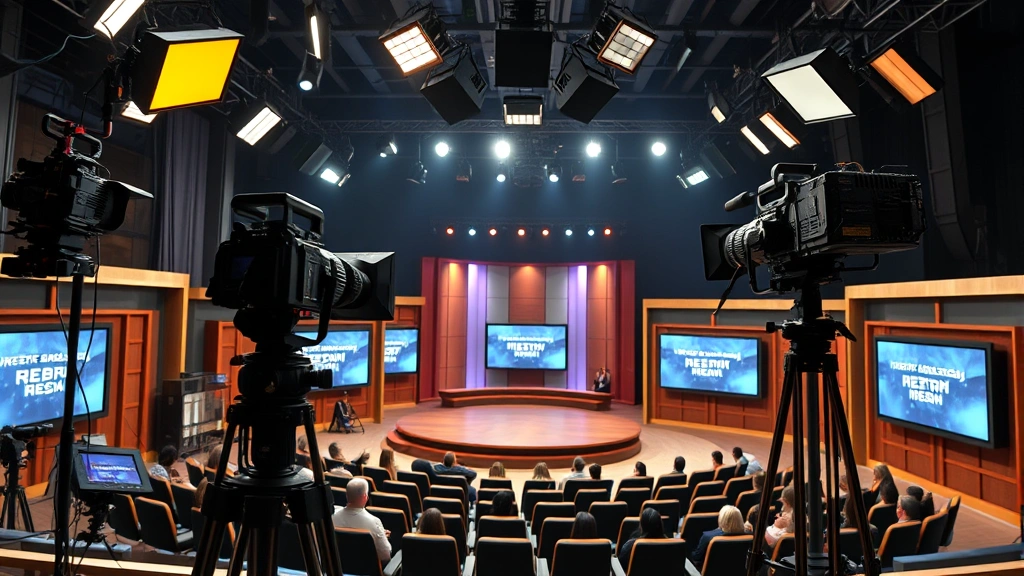
The Ricki Lake Show premiered in 1993 and immediately disrupted the daytime television landscape, introducing a format and perspective that diverged significantly from established talk show conventions. At just 25 years old, Lake became one of the youngest hosts of a major syndicated talk show, bringing an energy and authenticity that resonated particularly with younger audiences and viewers historically underrepresented in daytime television. Her show emphasized genuine conversation over sensationalism, though it certainly addressed provocative topics that reflected the concerns and experiences of Generation X and younger viewers. Unlike some competitors in the crowded talk show market, Lake’s program maintained a fundamental respect for guests while still exploring complex social issues.
The show’s format prioritized audience participation and emotional honesty, creating an environment where marginalized voices could be heard and validated. Lake’s approach to hosting—marked by empathy, curiosity, and a willingness to acknowledge her own vulnerabilities—differentiated her program from competitors and built a dedicated audience. The show addressed topics including LGBTQ+ issues, body image, relationships, and social justice at a time when mainstream media rarely provided such platforms. This programming philosophy aligned with broader media trends toward more inclusive representation, though Lake’s show was often ahead of the curve in how it approached sensitive subjects. Her success demonstrated that audiences, particularly younger demographics, hungered for authentic conversation and diverse perspectives in television.
During its initial run from 1993 to 1998, The Ricki Lake Show became a cultural phenomenon, spawning merchandise, music releases, and a feature film. The program’s success created opportunities for Lake to expand her media presence and explore other creative ventures. Her talk show established her as a legitimate media personality rather than simply an actress, fundamentally reshaping her career trajectory. The show’s influence extended beyond ratings metrics—it influenced how other talk show hosts approached their work and demonstrated that authenticity could be more valuable than manufactured drama. When the show returned for a second run in 2001, it proved Lake’s enduring appeal and the format’s continued relevance to audiences seeking genuine conversation.
” alt=”Professional media production setup with lighting equipment, camera, and studio environment representing talk show broadcasting technology” style=”max-width: 100%; height: auto;”>
Documentary Filmmaker and Producer
Following her initial talk show run, Ricki Lake transitioned into documentary filmmaking, a shift that demonstrated her commitment to substantive storytelling and social advocacy. Her documentary work represents perhaps her most significant contribution to media culture, as she has used the documentary form to explore issues often marginalized in mainstream entertainment media. This transition reflected Lake’s evolution from entertainer to activist-filmmaker, utilizing her platform and resources to amplify important social conversations. Her documentary projects showcase a filmmaker deeply engaged with social justice issues and committed to centering voices typically excluded from mainstream media narratives.
Lake’s documentary The Business of Being Born (2008), which she produced and appeared in, challenged conventional approaches to childbirth and maternity care in America. The film sparked national conversations about midwifery, natural birth, and maternal autonomy, demonstrating documentary cinema’s potential to influence public health discourse. The project’s success led to a follow-up documentary and expanded Lake’s work into health advocacy and patient empowerment. Her willingness to tackle controversial health topics reflected her consistent pattern of addressing subjects that matter to her audience, particularly women navigating complex healthcare systems. These documentaries positioned Lake as a serious filmmaker and advocate rather than simply a television personality cashing in on her fame.
Beyond The Business of Being Born, Lake has been involved with various documentary projects exploring social issues, environmental concerns, and cultural change. Her work in documentary filmmaking demonstrates that her media influence extends far beyond entertainment into advocacy and activism. These projects reflect a filmmaker committed to using visual media to educate, inspire dialogue, and promote social change. Lake’s transition to documentary work has allowed her to maintain creative control and pursue projects aligned with her values, establishing her legacy as more than a talk show host but as a media creator engaged with substantive issues affecting her audience.
Television Guest Appearances and Hosting
Throughout her career, Ricki Lake has made significant guest appearances and hosted various television programs beyond her flagship talk show. Her television work has included appearances on reality competition shows, guest hosting opportunities, and involvement in programming that continued to showcase her versatility as a television personality. These appearances have kept her in the public consciousness and demonstrated her ability to adapt to different television formats and audience expectations. Her presence on television has remained consistent even during periods when her talk show was not in production, maintaining her relevance in the media landscape.
Lake’s television presence has also included appearances on family-friendly programming and reality television, expanding her appeal beyond her core daytime audience. Her willingness to participate in diverse television formats—from game shows to reality competition series—demonstrates her understanding of television’s evolving landscape and her ability to connect with audiences across different demographic groups. These appearances have contributed to her status as a recognizable media figure across multiple generations, introducing her to younger audiences unfamiliar with her original talk show while maintaining the loyalty of longtime fans.
Her television work has also extended to hosting responsibilities for various events and special programs, leveraging her communication skills and audience connection abilities. These hosting opportunities have allowed Lake to maintain her profile in the entertainment industry while pursuing other creative ventures. Her consistent television presence, whether through her own programs or guest appearances, has ensured that she remains a relevant voice in media discussions and cultural conversations. This sustained visibility has allowed her to leverage her platform for advocacy work and social causes she believes in.
Cultural Impact and Legacy
Ricki Lake’s impact on media culture extends far beyond her individual programs and appearances, representing a significant moment in television history when authenticity and diversity of voices became increasingly valued by audiences. Her success demonstrated that viewers, particularly younger demographics and women, craved genuine conversation and representation from media personalities who reflected their own experiences and values. The cultural impact of her work can be measured not only in ratings and longevity but in how she influenced the trajectory of talk show television and documentary filmmaking. Her influence appears in subsequent talk show hosts who have adopted more conversational, less sensationalist approaches to their work.
According to Pew Research Center studies on media consumption and audience preferences, the 1990s witnessed significant shifts in how audiences engaged with television, with younger viewers particularly valuing authenticity and representation. Lake’s programming aligned perfectly with these emerging preferences, positioning her as a media figure who understood her audience’s evolving expectations. Her talk show became a cultural artifact reflecting 1990s sensibilities regarding social issues, body image, and identity politics. The show’s emphasis on marginalized voices and social issues anticipated broader media trends toward more inclusive programming and diverse representation.
Lake’s legacy also encompasses her influence on women in media, demonstrating that female television hosts could command significant audiences and creative control without conforming to traditional broadcast expectations. Her success paved the way for subsequent female talk show hosts and media personalities who brought their own authentic voices to television. Her work in documentary filmmaking further expanded her legacy, showing that media creators could use their platforms for advocacy and social change. The sustained interest in her work and continued relevance of her programs demonstrates that her contributions to media culture have enduring significance.
Research from media scholars and media analysis organizations has documented Lake’s influence on talk show formats and daytime television programming. Her approach to hosting—emphasizing guest empowerment and audience connection—influenced how subsequent talk show hosts approached their work. The cultural conversations initiated by her programming on topics including LGBTQ+ rights, body image, and social justice continued to resonate long after episodes aired. Her willingness to address controversial topics and center marginalized voices established her as a media figure committed to social progress rather than mere entertainment. This commitment to substantive content and authentic representation remains her most significant cultural contribution.
Lake’s career also demonstrates the importance of adaptability in media careers, as she successfully transitioned from film acting to talk show hosting to documentary filmmaking. Her ability to evolve and pursue different creative avenues while maintaining audience connection provides a valuable model for media professionals navigating changing industry landscapes. Her work has influenced how media creators think about authenticity, audience engagement, and the responsibility that comes with having a platform. The sustained relevance of her work suggests that her contributions to media culture will continue to be studied and appreciated by subsequent generations interested in television history and media influence.
Looking at industry analysis of talk show history and daytime television evolution, Lake’s role in reshaping the format becomes increasingly apparent. She emerged at a crucial moment when television was becoming more fragmented and audience preferences were shifting toward more authentic, less produced content. Her success in capturing and maintaining a dedicated audience demonstrated that there was significant market value in authenticity and genuine conversation. This insight has influenced programming decisions across the media industry, with networks increasingly recognizing that audiences value substance and authenticity over manufactured drama and sensationalism.
FAQ
What was Ricki Lake’s most famous film role?
Ricki Lake’s most iconic film role was Tracy Turnblad in John Waters’ Hairspray (1988). This performance launched her to mainstream recognition and established her as a talented actress willing to take creative risks. She reprised the role in the 2007 musical adaptation, introducing the character to new generations of audiences. The role remains her most celebrated film work and continues to influence how audiences perceive her career.
How long did The Ricki Lake Show run?
The original Ricki Lake Show ran from 1993 to 1998, establishing Lake as a major television personality and cultural figure. The show returned for a second run from 2001 to 2003, demonstrating continued audience interest in her hosting style and format. During its initial run, the show became a cultural phenomenon, particularly among younger viewers and audiences seeking authentic conversation about social issues.
What documentary work has Ricki Lake been involved with?
Lake’s most prominent documentary work includes producing and appearing in The Business of Being Born (2008), which examined maternity care and childbirth in America. She has also been involved with various other documentary projects exploring social issues and health advocacy. Her work in documentary filmmaking demonstrates her commitment to using media for social advocacy and education beyond entertainment purposes.
Has Ricki Lake appeared in other television shows besides her talk show?
Yes, Lake has made numerous guest appearances on various television programs throughout her career, including reality competition shows, game shows, and special events. She has also hosted various television programs and specials beyond her flagship talk show. Her television presence has remained consistent, maintaining her visibility in the entertainment industry and introducing her to new audiences.
What topics did Ricki Lake’s talk show typically address?
The Ricki Lake Show addressed diverse social issues including LGBTQ+ rights, body image, relationships, family dynamics, and social justice topics. The show emphasized authentic conversation and audience participation, often centering marginalized voices and perspectives underrepresented in mainstream media. This programming philosophy differentiated her show from competitors and built a dedicated audience particularly among younger viewers and underrepresented demographics.
How did Ricki Lake influence subsequent talk show hosts?
Lake’s success demonstrated the value of authenticity and genuine conversation in talk show formats, influencing how subsequent hosts approached their work. Her emphasis on guest empowerment and audience connection rather than sensationalism provided a model for more conversational talk show hosting. Many hosts who emerged after her initial success adopted similar approaches to audience engagement and topic selection, reflecting her influence on the medium.
For more insights into television history and media influence, explore our comprehensive blog coverage or check out our movies HD collection for classic programming. You might also find value in our guide to movie review resources for deeper analysis of film and television work.


