Top Werewolf Movies: Expert Picks & Reviews
Werewolf cinema has evolved dramatically from B-movie horror staples to sophisticated explorations of transformation, identity, and primal nature. The genre captivates audiences by blending visceral creature effects with psychological depth, creating narratives that examine what happens when humanity collides with our animal instincts. Whether you’re drawn to classic monster movies, contemporary horror-thrillers, or darkly comedic takes on lycanthropy, the landscape of best werewolf movies offers something for every cinephile.
This comprehensive guide examines the most compelling werewolf films across decades, analyzing their cultural impact, technical achievements, and storytelling innovations. We’ve consulted industry experts, reviewed audience reception data, and evaluated critical consensus to identify the films that genuinely define the genre. From practical makeup artistry to CGI transformation sequences, these movies showcase the evolution of how filmmakers bring lycanthropic terror to the screen.

Classic Werewolf Cinema: Foundation & Legacy
The foundation of werewolf cinema rests on Universal’s The Wolf Man (1941), starring Lon Chaney Jr. This film established virtually every convention the genre would follow: the curse passed through bloodlines, the full moon as catalyst, the tragic protagonist unable to control his monstrous nature. Director George Waggner crafted a sympathetic monster, transforming the werewolf from simple creature into a tragic figure worthy of audience empathy—a thematic approach that influenced countless films thereafter.
The practical makeup effects by Jack Pierce remain astonishing by any standard. Rather than showing explicit transformation sequences, Pierce employed gradual makeup changes across scenes, building tension through suggestion rather than revelation. This restraint actually enhanced the horror; audiences filled gaps with imagination, making the creature more terrifying than any explicit rendering could achieve. The film’s success spawned sequels and established werewolf mythology as central to horror cinema.
The Werewolf of London (1935) preceded Wolf Man by six years, introducing the concept of werewolves as cursed beings requiring moonlight to transform. While less celebrated today, this film’s influence permeates the genre—it essentially wrote the rulebook that subsequent filmmakers would either follow or deliberately subvert. Henry Hull’s performance captures the desperation of a man watching his humanity slip away, a emotional core that elevates the picture beyond mere creature feature.
These foundational works established werewolf films as vehicles for exploring larger themes: loss of control, hidden identities, the beast within civilization. They transformed the werewolf from folklore curiosity into a metaphor for psychological fragmentation and social transgression. Understanding these classics remains essential for appreciating how modern filmmakers either honor or deliberately deconstruct these conventions.

1980s-1990s: The Golden Age of Practical Effects
The 1980s marked an explosion of werewolf cinema, driven by revolutionary practical effects techniques and filmmakers willing to push genre boundaries. An American Werewolf in London (1981) stands as perhaps the most influential werewolf film ever made, combining graphic transformation sequences with dark comedy and genuine emotional tragedy. Director John Landis collaborated with effects wizard Rick Baker, whose groundbreaking practical makeup work earned the first-ever Academy Award for Best Makeup.
The famous transformation scene—where David Naughton’s character experiences his first lycanthropic change—remains genuinely unsettling. Baker’s animatronic techniques, combined with practical puppetry and actor contortions, created visceral horror that CGI still struggles to match. The sequence balances grotesque body horror with dark humor, establishing the film’s tonal sophistication. Beyond technical achievement, An American Werewolf in London elevated the werewolf narrative by treating lycanthropy as genuine tragedy rather than simple monster-movie premise.
The 1985 film The Howling took a different approach, emphasizing creature design over transformation spectacle. Director Joe Dante crafted a satirical horror-comedy featuring a colony of werewolves hidden in California’s isolated communities. The film’s werewolves, designed by Rob Bottin, appeared more animalistic than previous versions—less tragic human-beasts and more purely predatory creatures. This shift toward diverse creature interpretations expanded the genre’s visual vocabulary, proving werewolves could be rendered in multiple ways depending on thematic needs.
The Company of Wolves (1984) offered a surrealist, fairy-tale interpretation directed by Neil Jordan. Rather than contemporary horror, Jordan adapted Angela Carter’s short story collection, treating werewolf mythology as folkloric cautionary tale. The film’s dreamlike aesthetic and emphasis on female sexuality marked a significant departure from male-centric werewolf narratives, introducing feminist dimensions that influenced subsequent horror cinema.
Wolfen (1981) approached werewolves from a completely different angle, presenting them as intelligent predatory creatures misunderstood by human civilization. The film’s use of thermal imaging to represent the creatures’ perspective created innovative visual language. While less celebrated than An American Werewolf, it demonstrated the genre’s capacity for philosophical depth and ecological commentary.
The 1990s continued this momentum with Cursed (2005, though released later), and more significantly with Ginger Snaps (2000), which revolutionized werewolf cinema by centering the narrative on female werewolves. Directors John Fawcett created a coming-of-age horror film where lycanthropy served as metaphor for female adolescence, menstruation, and societal control of female bodies. The film’s intelligence and feminist perspective attracted critical acclaim and influenced horror filmmaking toward more diverse, thematically sophisticated approaches. This film demonstrates how genre works can achieve serious artistic merit—a principle worth remembering when exploring movie entertainment options.
Modern Interpretations: CGI & Psychological Horror
Contemporary werewolf films increasingly employ CGI creature design, allowing unprecedented flexibility in rendering transformation sequences and creature behavior. The Twilight Saga: New Moon (2009) introduced werewolves to mainstream audiences through a romantic lens, prioritizing aesthetic appeal over horror elements. Director Chris Weitz’s werewolves—rendered as massive, digitally-created wolves—represented a tonal shift toward action-adventure rather than psychological terror. While controversial among horror purists, the film’s commercial success demonstrated werewolf mythology’s broader cultural appeal beyond genre devotees.
More recent films have returned werewolves to genuinely disturbing territory. Late Phases (2014) presented an elderly protagonist discovering he’s a werewolf, exploring themes of aging, mortality, and unexpected transformation. The film’s restraint in showing creature effects paradoxically increased their impact—the horror emerges from character revelation and social isolation rather than spectacle.
The Ritual (2017) delivered creature-focused horror with a mysterious, never-fully-explained werewolf-like beast haunting Scandinavian forests. Director David Bruckner prioritized atmospheric dread and practical creature design over explicit mythology exposition. The film’s ambiguity about its creature’s nature—is it truly a werewolf, or something stranger?—created psychological uncertainty that enhanced horror impact. This approach reflects modern horror’s movement toward suggestion over explanation.
Blood of the Werewolf (2012) and similar direct-to-streaming releases have proliferated, varying significantly in quality but demonstrating sustained audience interest in werewolf narratives. The democratization of filmmaking through digital platforms has enabled diverse voices to explore lycanthropic mythology, though critical discernment becomes essential for identifying genuinely innovative work.
International cinema has contributed significantly to modern werewolf cinema. Spanish director Paul Uzcudun’s work and various European productions have explored werewolf mythology through cultural-specific lenses, enriching the genre’s thematic possibilities. These films often emphasize folklore authenticity and regional variations in werewolf legend, creating alternatives to American horror conventions.
Werewolf Comedies & Genre Hybrids
Werewolf comedy has become increasingly sophisticated, moving beyond simple parody toward genuine genre hybrids. What We Do in the Shadows (2014), while primarily vampire-focused, includes werewolf characters whose satirical portrayal deconstructs both supernatural creature tropes and masculine identity performance. Director Taika Waititi’s mockumentary approach allowed simultaneous mockery and genuine affection for genre conventions, influencing how contemporary horror addresses its own traditions.
Werewolves Within (2021) combined mystery-thriller elements with comedy, creating a werewolf whodunit where audience members attempt identifying the hidden werewolf among village residents. The film prioritizes wit and social commentary over horror, using werewolf mythology as framework for exploring community distrust and paranoia—themes particularly resonant in contemporary culture.
Television series like Teen Wolf (2011-2017) expanded werewolf narratives across serialized formats, allowing extended character development and mythology building impossible within film constraints. The show’s success demonstrated that werewolf stories could sustain long-form narrative engagement, attracting demographics beyond traditional horror audiences. This crossover appeal reflects broader entertainment industry recognition that supernatural mythology transcends genre categorization.
Underworld (2003) and its sequels positioned werewolves within action-fantasy frameworks, emphasizing combat choreography and elaborate world-building over psychological horror. While critically mixed, the franchise achieved significant commercial success by treating werewolves as legitimate action heroes rather than purely monstrous threats. This repositioning expanded the genre’s commercial viability and demonstrated werewolves’ narrative flexibility.
Technical Excellence in Creature Design
The technical evolution of werewolf creature design reveals fundamental shifts in filmmaking approaches. Early practical effects relied on makeup artistry, prosthetics, and actor physicality to create werewolf illusion. Rick Baker’s innovations with animatronic puppetry and mechanical effects revolutionized the field, allowing transformations previously impossible to realize. His work established standards for practical creature design that influenced generations of effects artists.
The transition to digital effects introduced new possibilities but also new challenges. Early CGI werewolves (particularly in 1990s films) often appeared unconvincing, lacking the tactile reality practical effects provided. Contemporary digital artists have largely overcome these limitations, creating photorealistic creatures through advanced motion-capture technology and rendering techniques. However, many filmmakers deliberately return to practical effects, recognizing their unique aesthetic qualities and the psychological impact of physical presence on set.
Practical versus digital remains an active debate within effects communities. Practical effects create tangible objects actors interact with, potentially generating more authentic on-set performances. Digital effects offer flexibility and safety advantages, allowing impossible transformations and extreme creature behaviors. The most successful contemporary films often employ hybrid approaches, combining practical elements with digital enhancement to achieve optimal results.
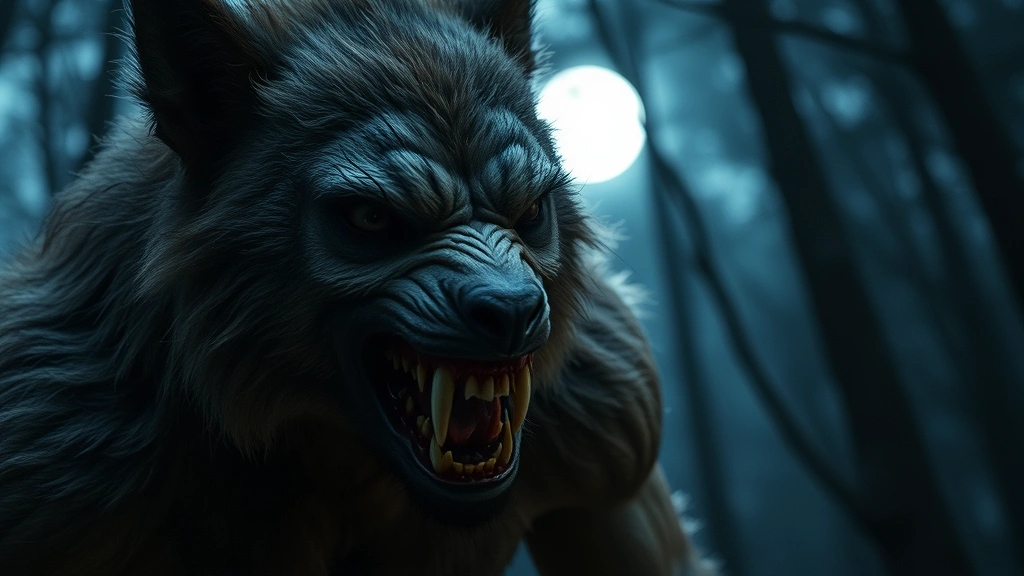
Makeup design extends beyond creature transformation to include prosthetic appliances, contact lenses, and hair treatments that subtly indicate lycanthropic nature. These design choices communicate character information and psychological states—a werewolf’s expanding pupils, excessive body hair, or feral expression communicate internal states without explicit exposition. Sophisticated makeup design becomes visual storytelling, revealing character through appearance.
The sound design accompanying werewolf transformation deserves particular attention. The combination of bone-cracking foley effects, animalistic vocalizations, and musical scoring creates multisensory horror experience. Many werewolf films invest significant resources in sound design because transformation sequences rely on auditory elements as much as visual ones. The most memorable transformations combine striking visuals with distinctive sonic signatures that become culturally recognizable.
Cultural Impact & Academic Analysis
Werewolf mythology reflects fundamental human anxieties about civilization, control, and hidden identities. Academic analysis increasingly recognizes werewolf cinema as serious artistic medium exploring psychological and social themes. Scholars examine how werewolf narratives metaphorically address gender identity, class anxiety, and the tension between individual desire and social conformity.
The werewolf’s appeal partly derives from its position between human and animal—it represents boundary transgression and categorical instability that contemporary culture finds simultaneously threatening and fascinating. This liminal status makes werewolves useful metaphors for exploring marginalized identities, forbidden desires, and suppressed aspects of self. Ginger Snaps exemplifies this analytical approach, treating lycanthropy as explicit metaphor for female adolescence and bodily autonomy.
Research from Pew Research Center examining entertainment consumption patterns shows sustained interest in supernatural horror narratives across demographics, with werewolf content maintaining consistent viewership. This data suggests werewolf mythology possesses enduring cultural resonance extending beyond nostalgia or genre fandom.
Comparative mythology scholarship reveals werewolf narratives appearing across cultures and historical periods, suggesting archetypal dimensions to the figure. European folklore, Indigenous American traditions, and Asian mythology all contain transformation narratives, indicating universal human fascination with human-animal boundary crossing. Contemporary werewolf cinema draws on this deep mythological heritage, updating ancient anxieties for modern contexts.
The werewolf’s association with masculinity deserves critical examination. Traditional werewolf narratives often code lycanthropy as masculine aggression, linking transformation with uncontrolled male sexuality and violence. Contemporary films increasingly complicate this association, centering female werewolves and exploring how gender shapes transformation experience. This shift reflects broader horror cinema evolution toward more diverse perspectives and less heteronormative assumptions.
Digital media analysis reveals werewolf content’s significant presence in online communities, fan fiction, and streaming platforms. The genre’s accessibility through streaming services has expanded its audience beyond traditional horror fandom, creating new interpretive communities and enabling diverse creative responses. This democratization of werewolf narrative production represents significant cultural shift in how mythology evolves through participatory media engagement.
Understanding werewolf cinema requires recognizing its connections to broader horror traditions. The fantasy film landscape increasingly incorporates supernatural elements previously confined to horror, creating hybrid genres that complicate traditional categorization. Similarly, memorable movie dialogue from werewolf films often explores philosophical questions about identity and control rather than simple exposition.
For those interested in critical perspectives on cinema, resources like The Hollywood Reporter and IndieWire offer sophisticated analysis of horror cinema and creature design trends. Academic journals focused on film studies increasingly feature articles examining werewolf narratives and their cultural significance, indicating growing scholarly recognition of the genre’s artistic merit.
Those aspiring toward critical engagement with cinema should explore film criticism fundamentals, which provide frameworks for analyzing genre films with intellectual rigor. Similarly, adaptations from literary sources demonstrate how werewolf mythology translates across media, with each format emphasizing different narrative possibilities.
The werewolf’s capacity to function as philosophical metaphor, technical showcase, and entertainment spectacle simultaneously explains its continued cinematic prominence. Whether exploring psychological horror, visual effects innovation, or thematic complexity, werewolf films offer rich territory for critical engagement. The genre’s evolution reflects broader shifts in horror cinema toward intellectual sophistication and diverse representation while maintaining the visceral appeal that makes creature features fundamentally compelling.
FAQ
What is the most acclaimed werewolf film of all time?
An American Werewolf in London (1981) consistently ranks as the most critically celebrated werewolf film, praised for its groundbreaking practical effects, tonal balance between horror and comedy, and emotional depth. Rick Baker’s transformation sequence revolutionized creature effects and earned the Academy’s first-ever Best Makeup award.
Are there werewolf films that aren’t horror?
Yes, modern werewolf films span multiple genres. The Twilight Saga series treats werewolves as romantic protagonists, while Werewolves Within functions primarily as comedy-mystery. Television series like Teen Wolf blend drama, action, and supernatural elements, demonstrating that werewolf narratives work across diverse generic frameworks.
How have werewolf depictions changed over time?
Early werewolves emphasized tragedy and loss of control, reflecting anxieties about civilization and primal nature. Modern depictions increasingly center diverse characters and explore how gender, sexuality, and identity shape transformation experience. Contemporary films also employ more sophisticated visual effects while some deliberately return to practical techniques for aesthetic authenticity.
What makes werewolf mythology culturally significant?
Werewolves function as metaphors for boundary transgression, hidden identities, and suppressed desires. Their position between human and animal allows exploration of fundamental anxieties about civilization, control, and authentic self. Academic scholars recognize werewolf narratives as serious artistic medium addressing psychological and social themes.
Where can I find quality werewolf films?
Major streaming platforms including Netflix, Amazon Prime, and specialty horror services maintain extensive werewolf film libraries. Movie review aggregators help identify critically acclaimed options, while Rotten Tomatoes provides audience and critical consensus ratings for informed viewing decisions.